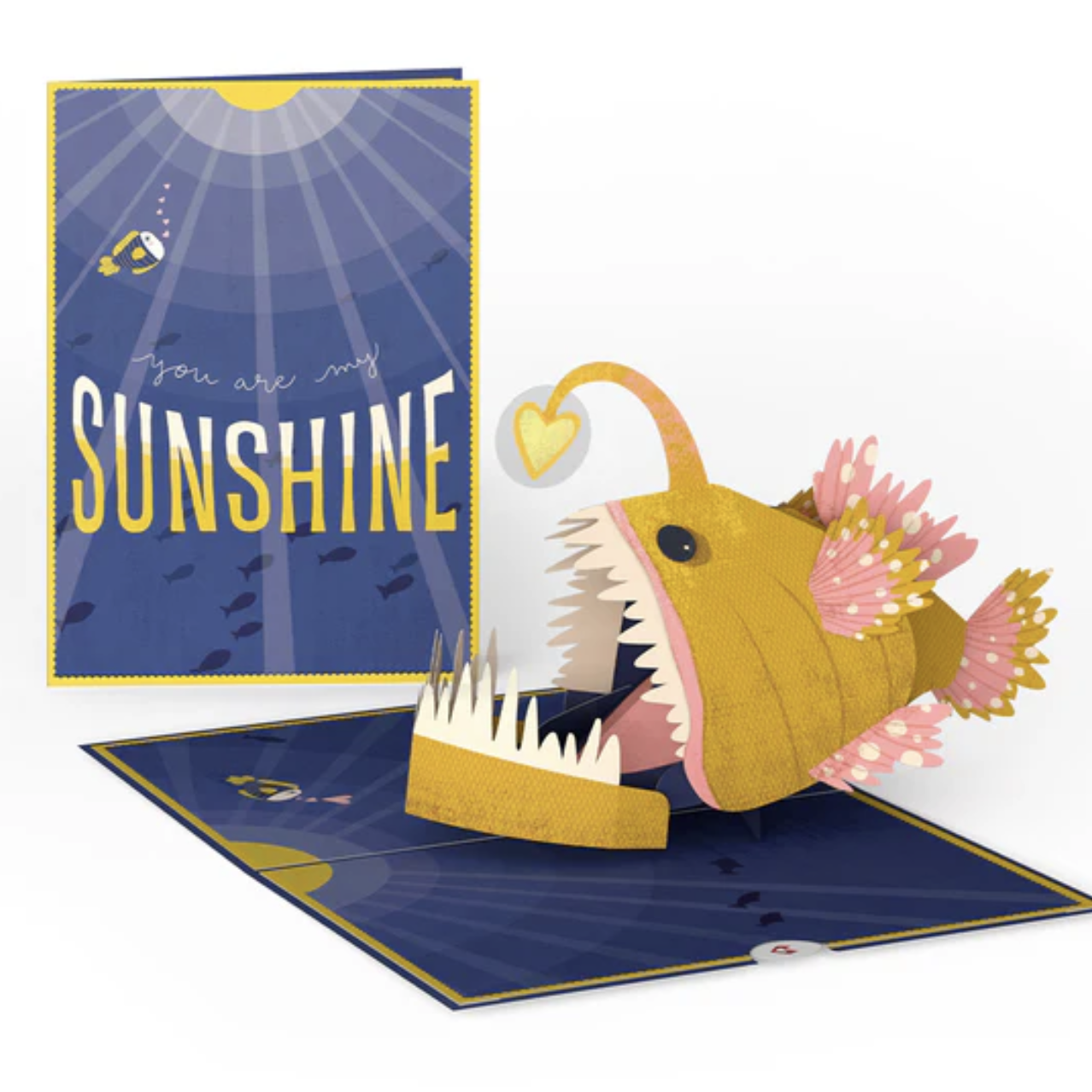


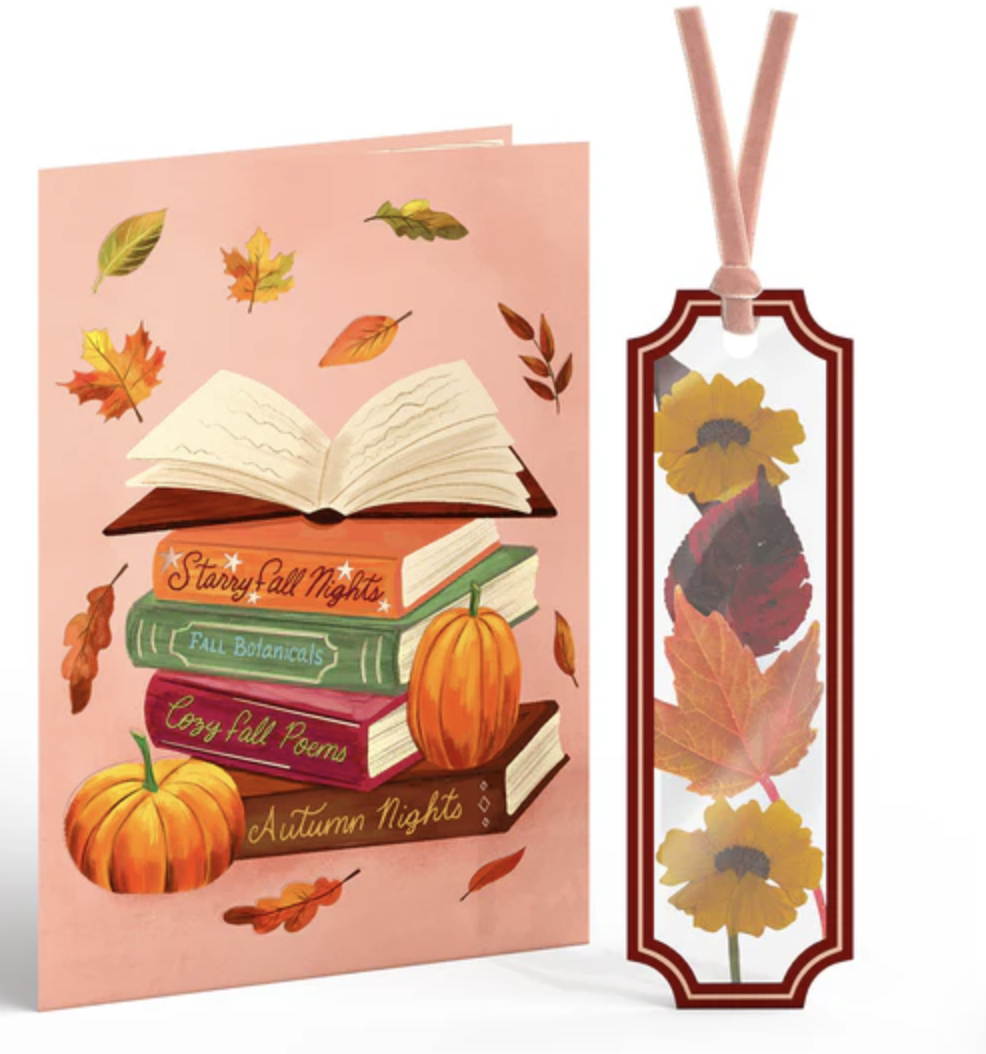


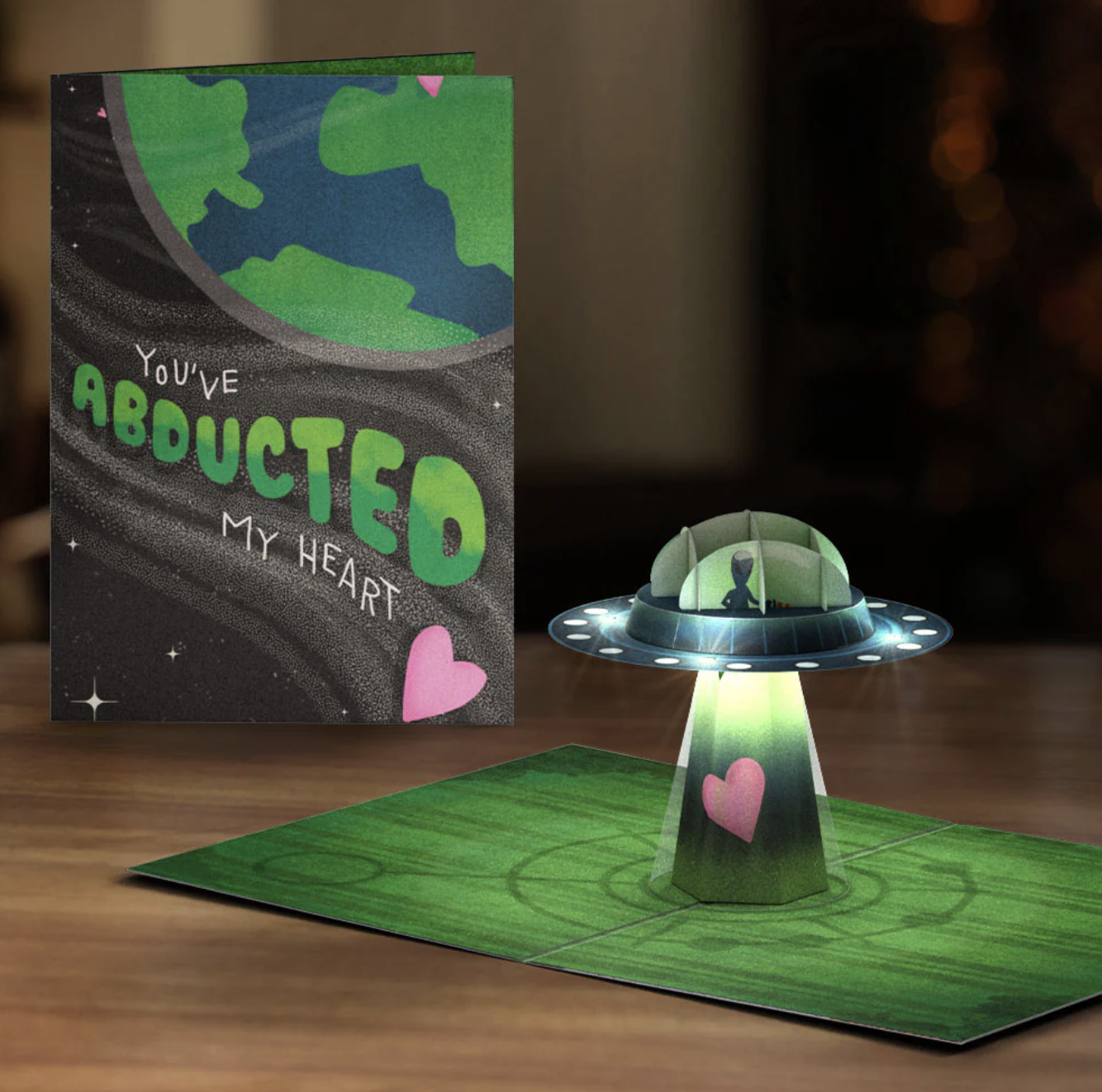


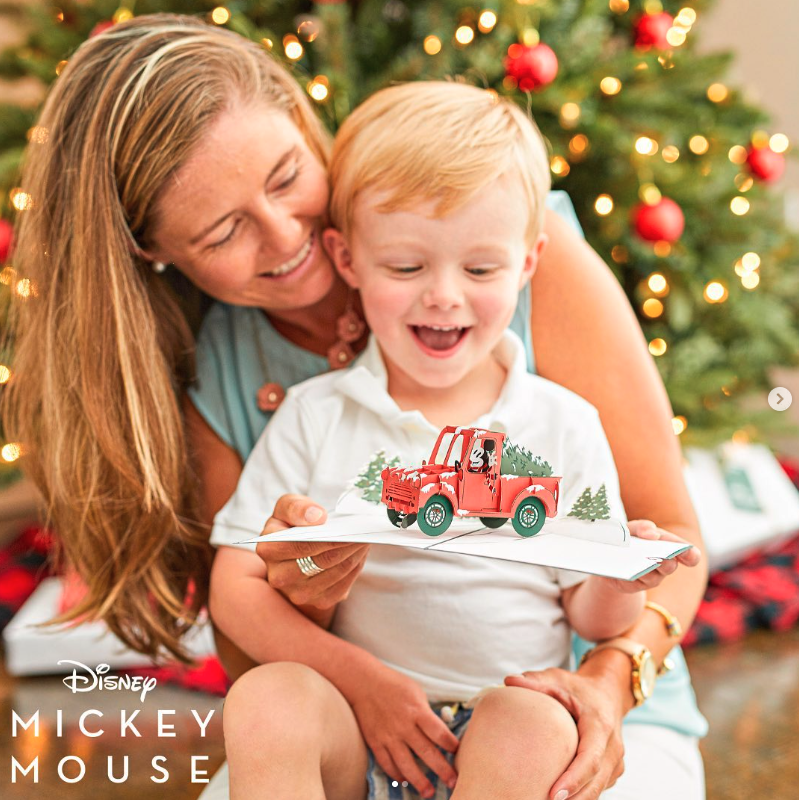
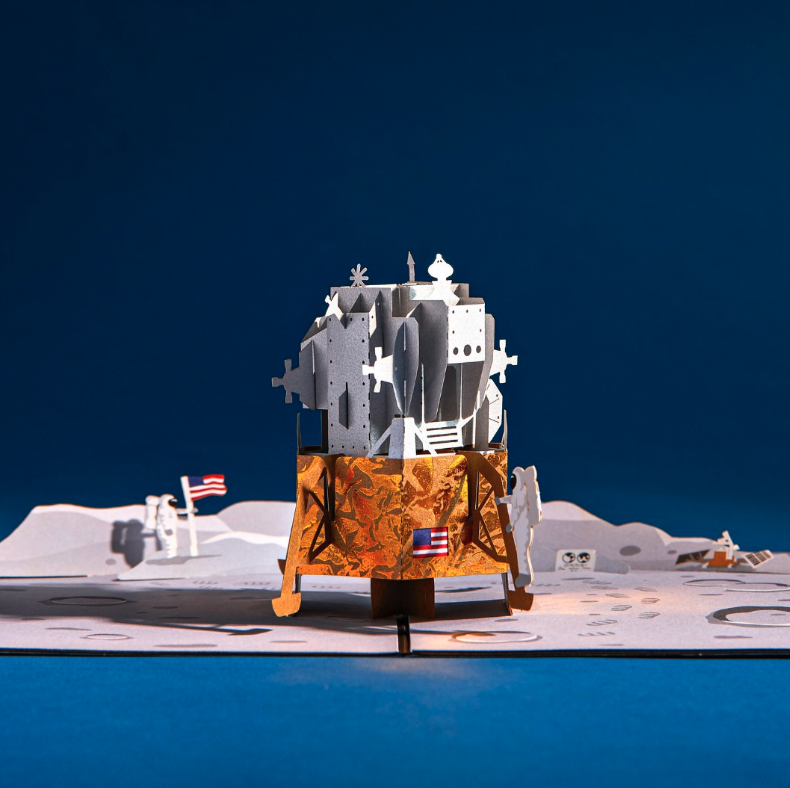
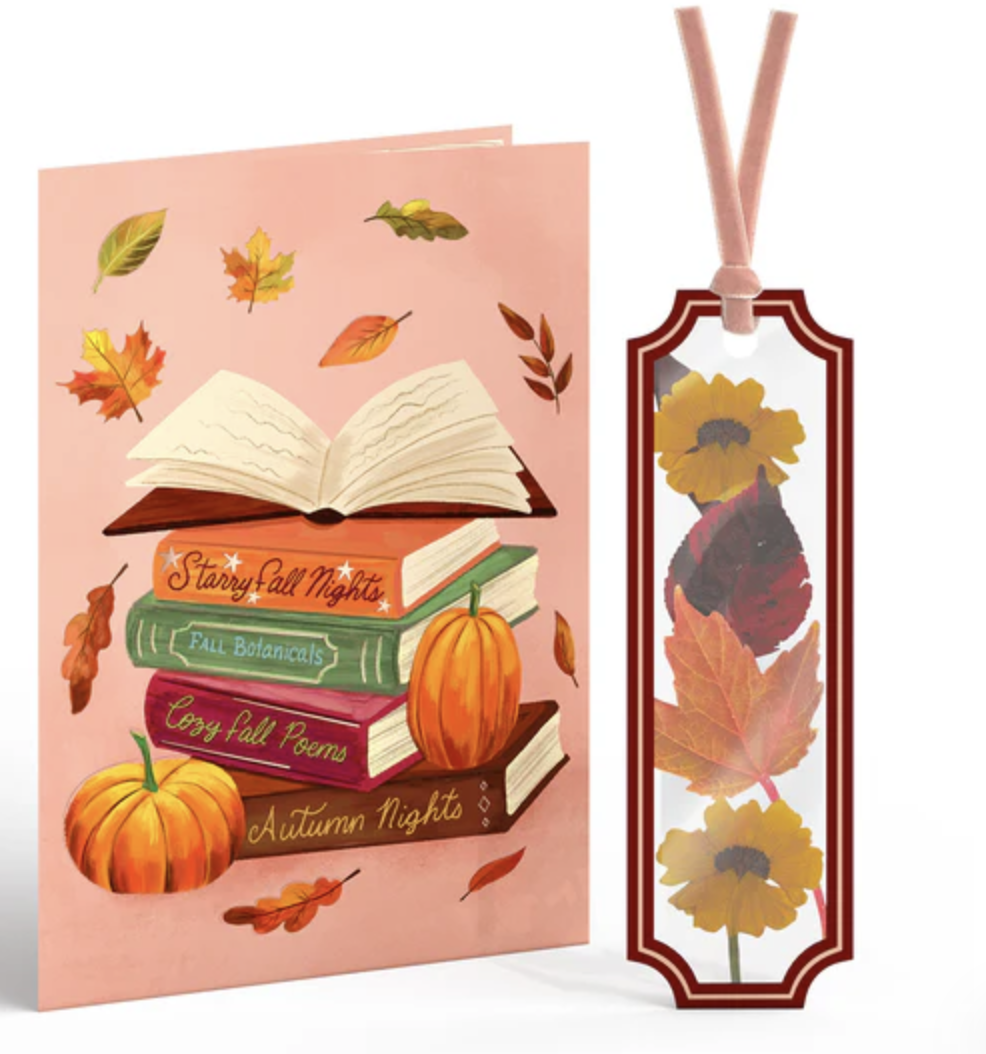
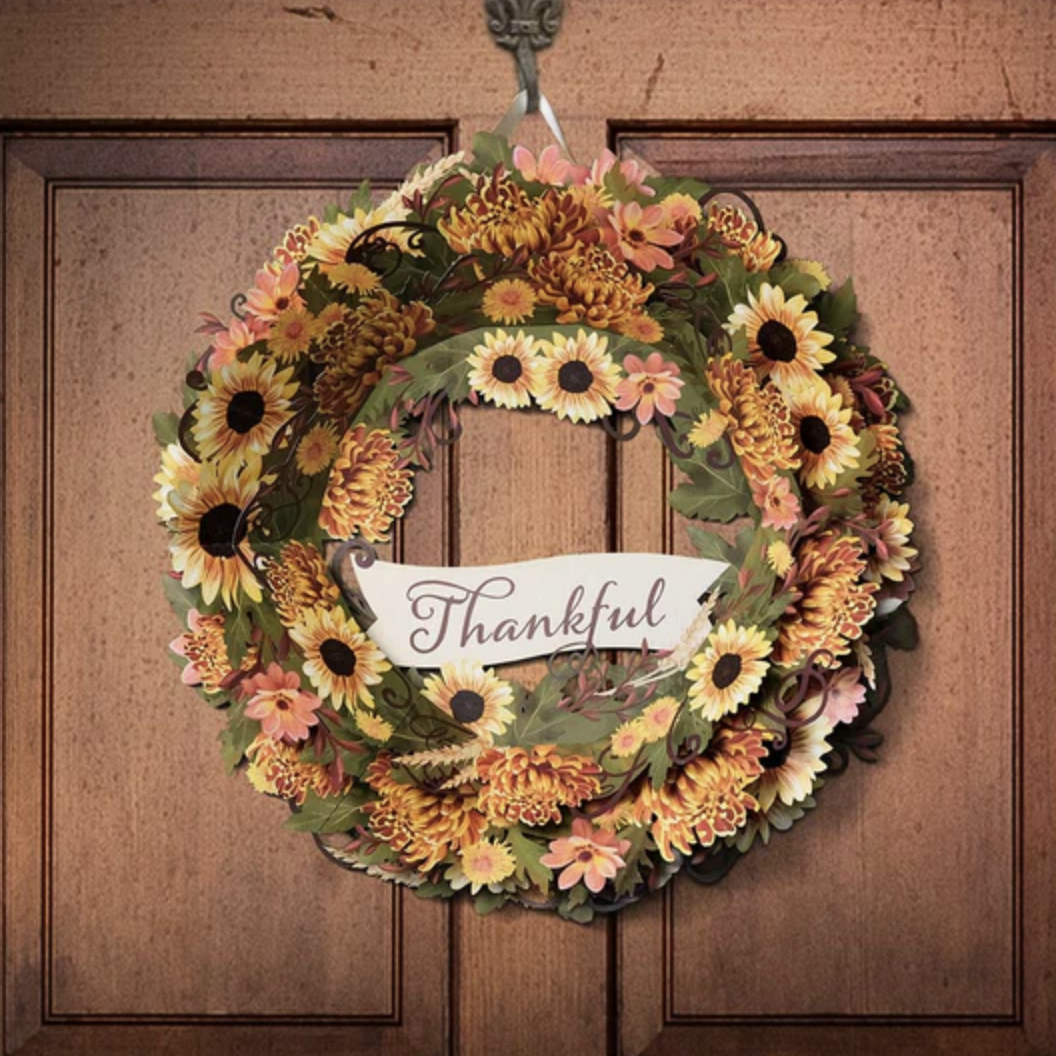
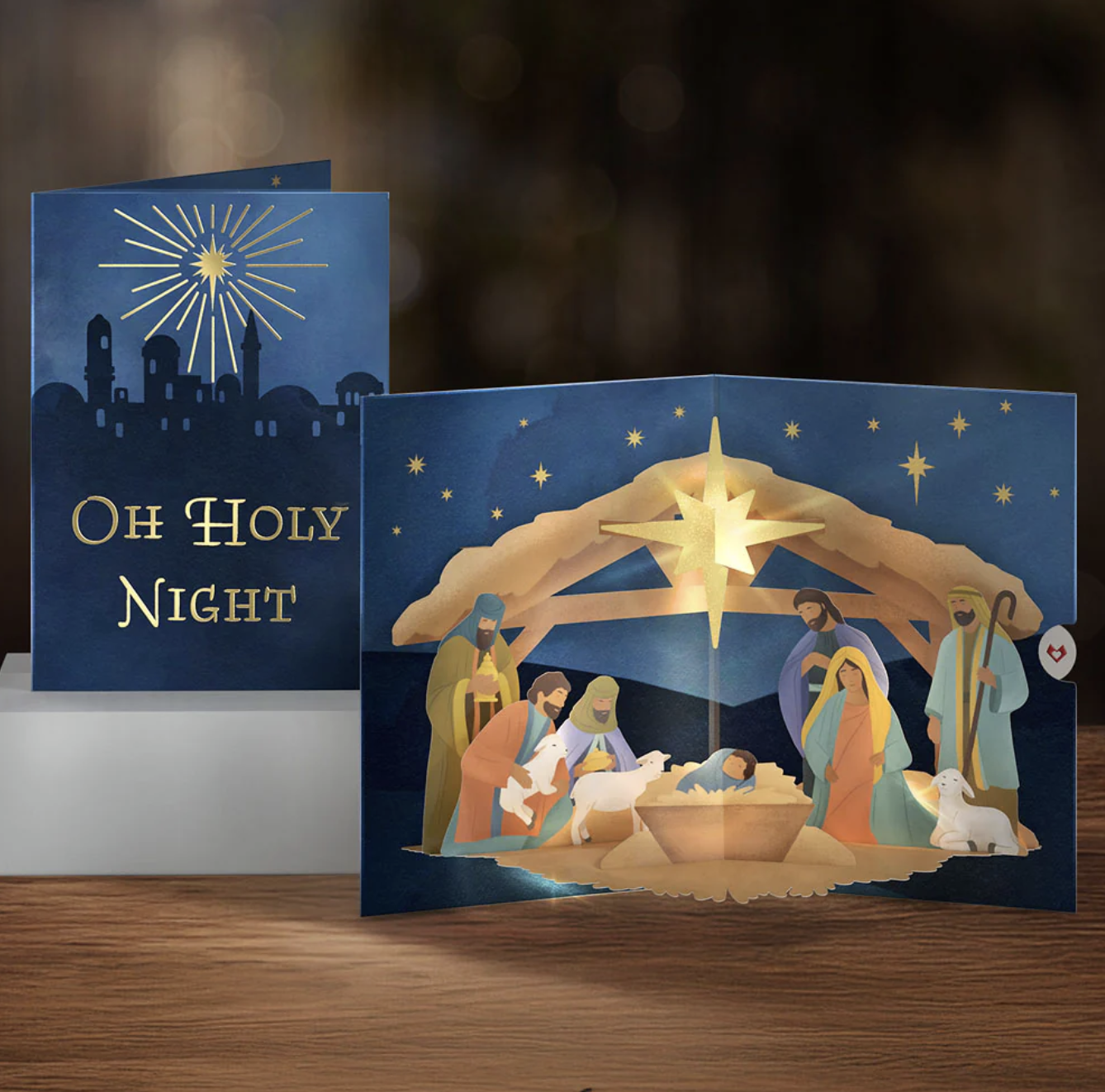
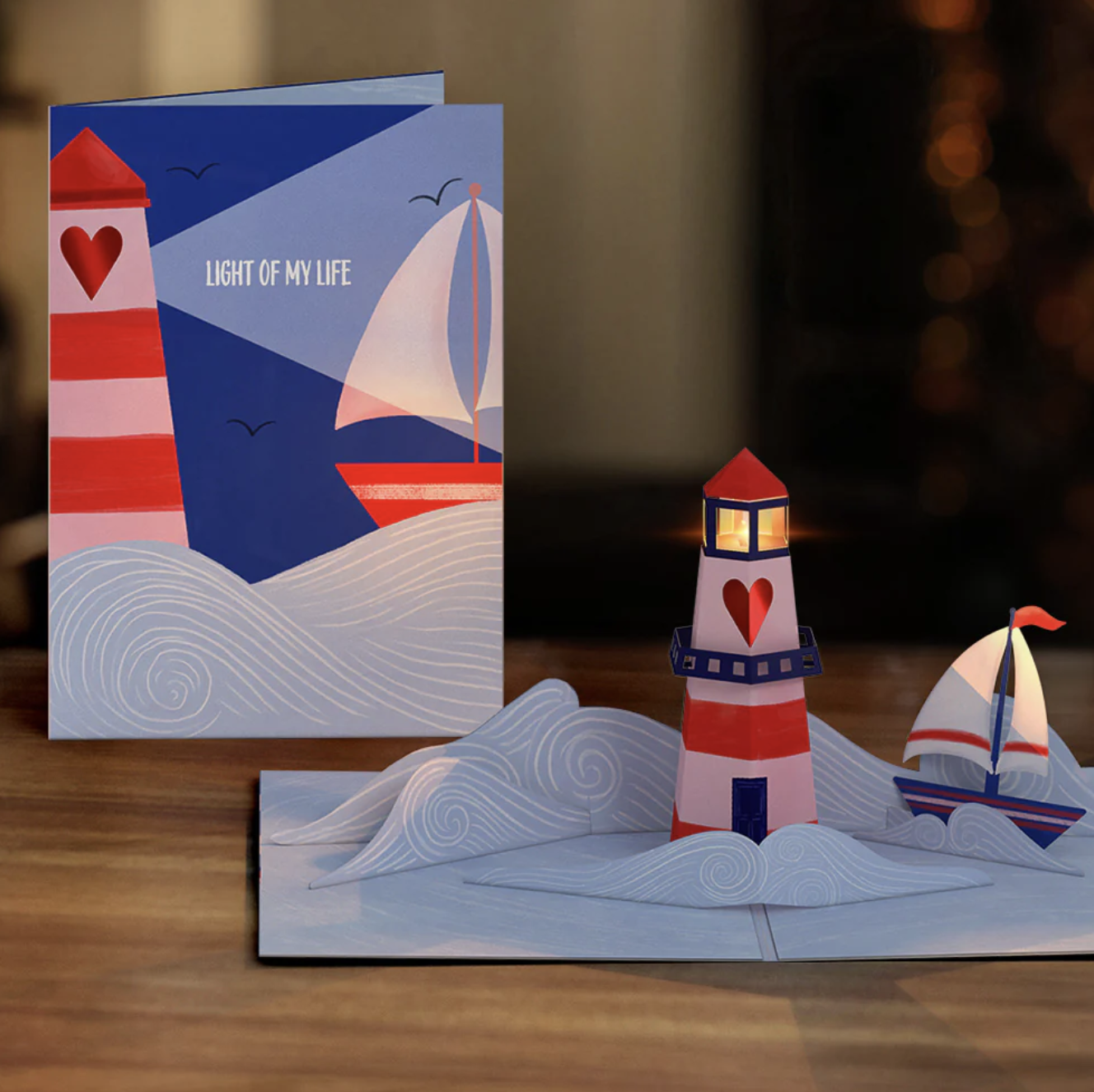
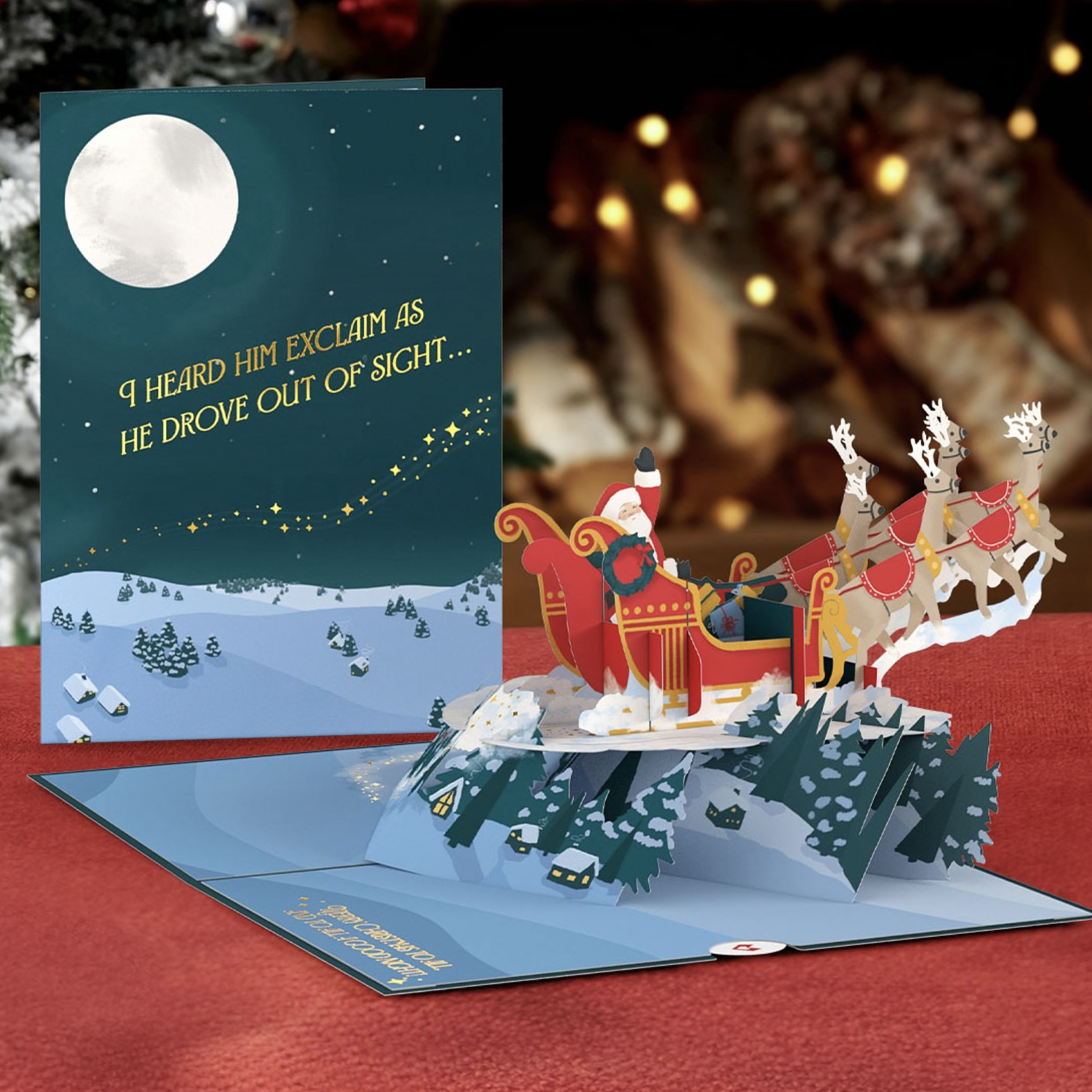
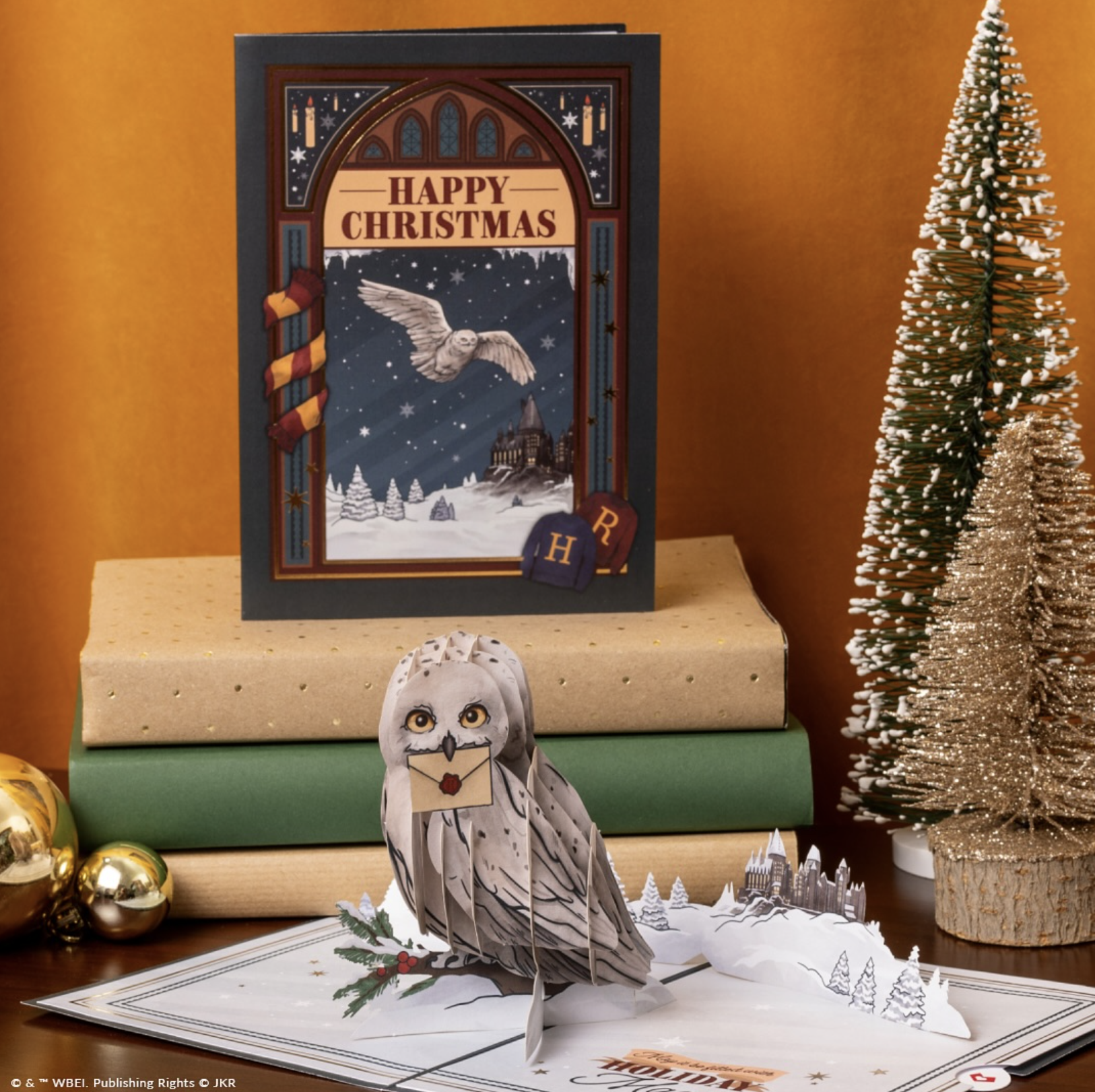
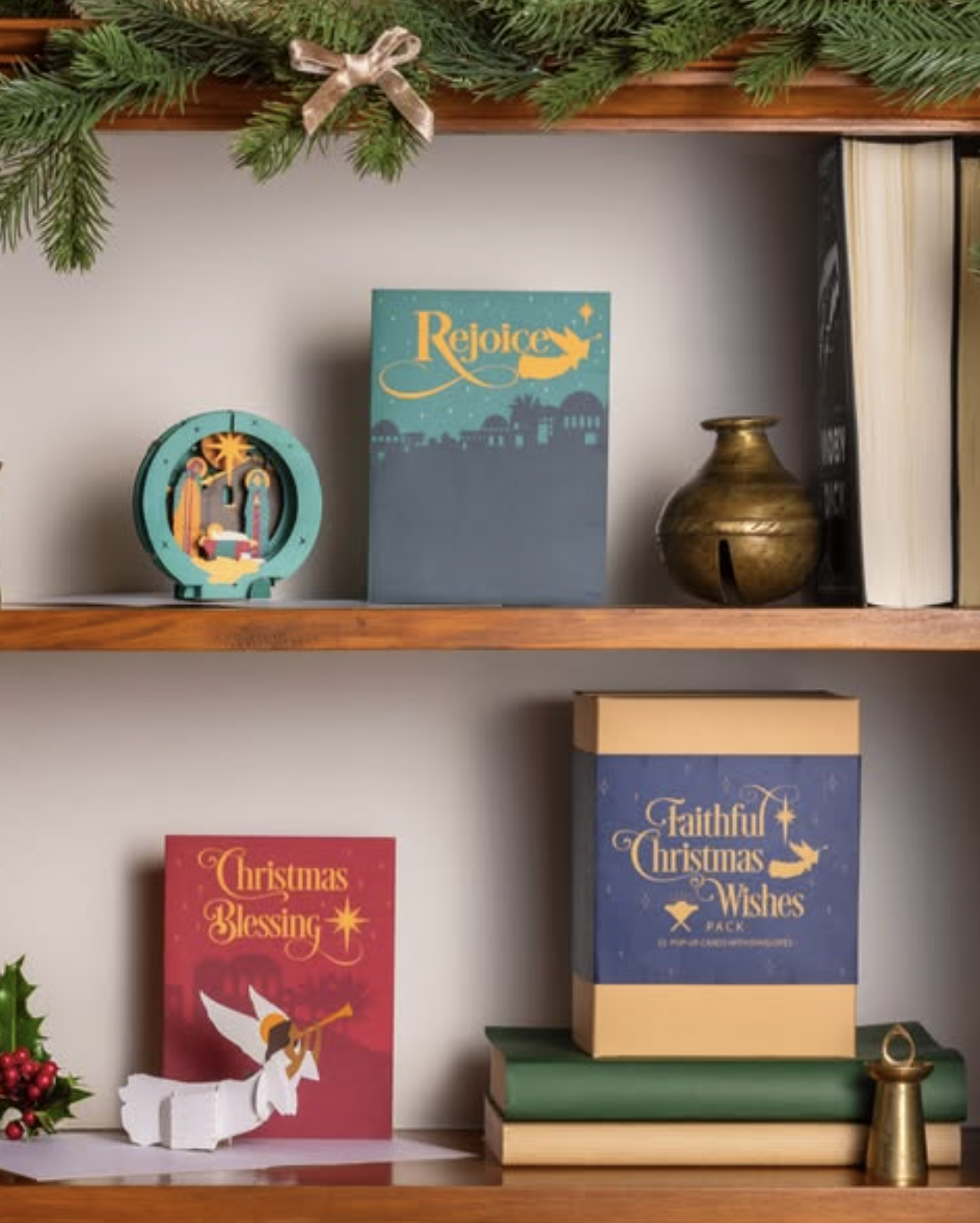
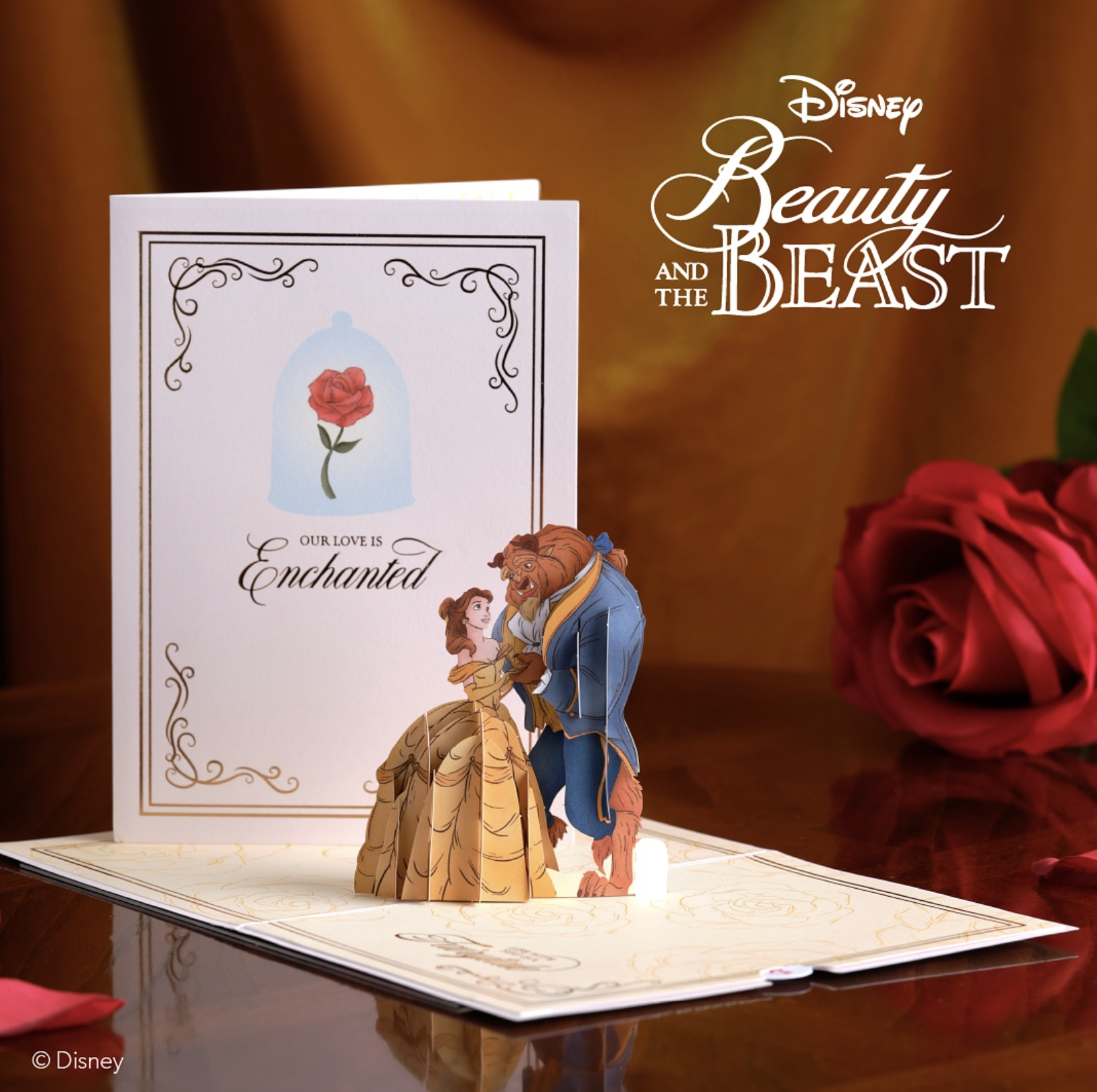
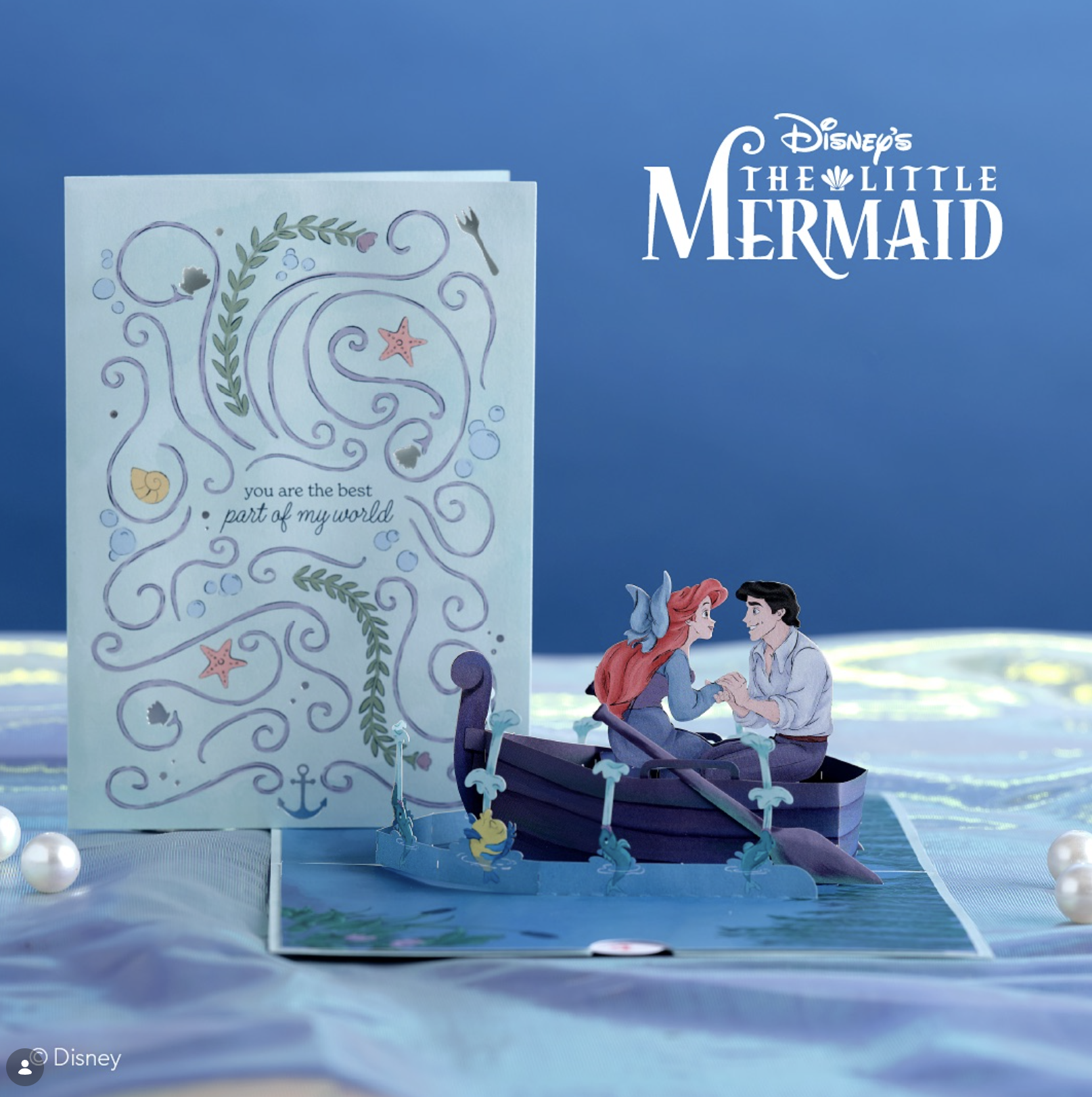
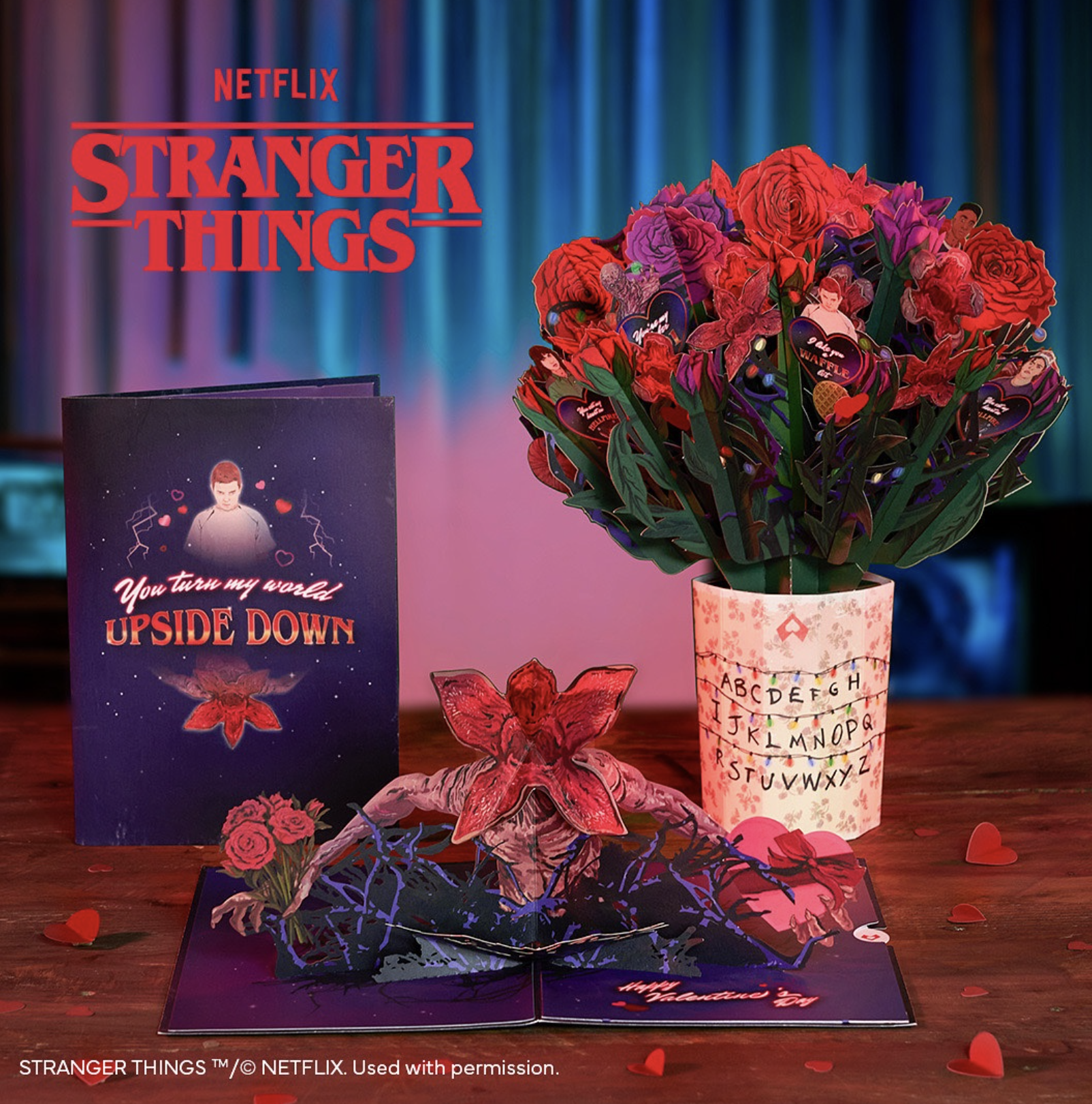
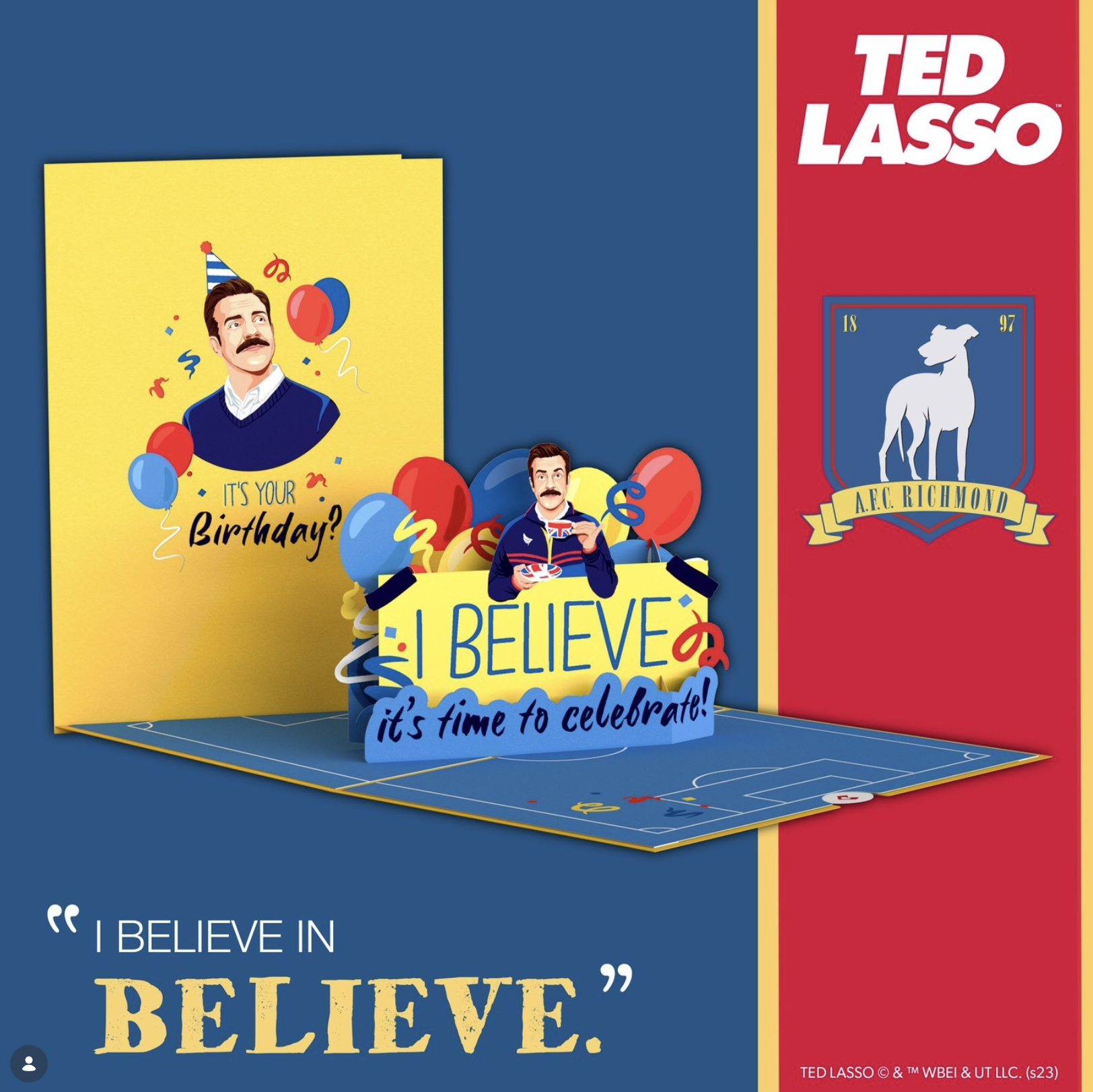
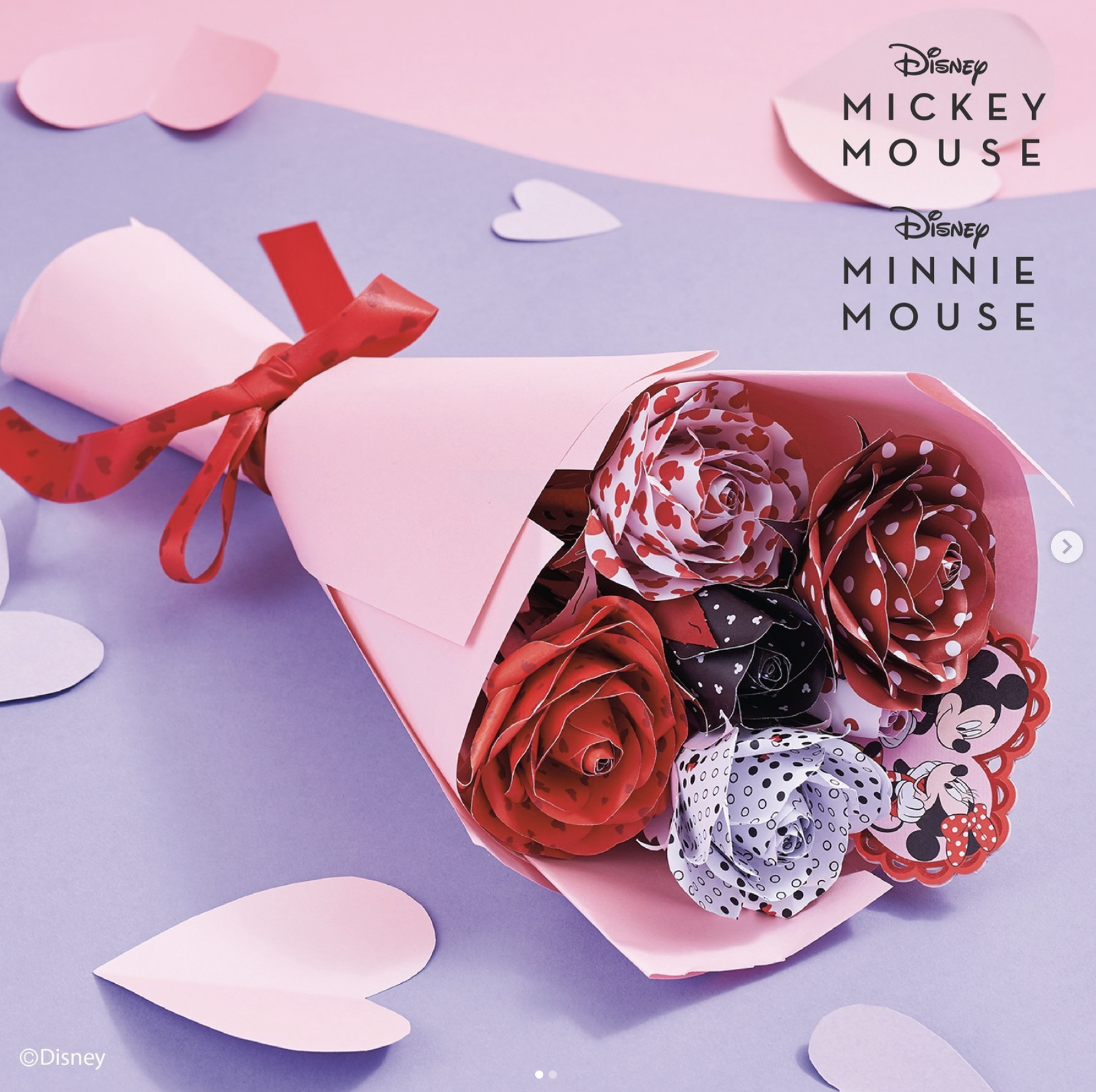
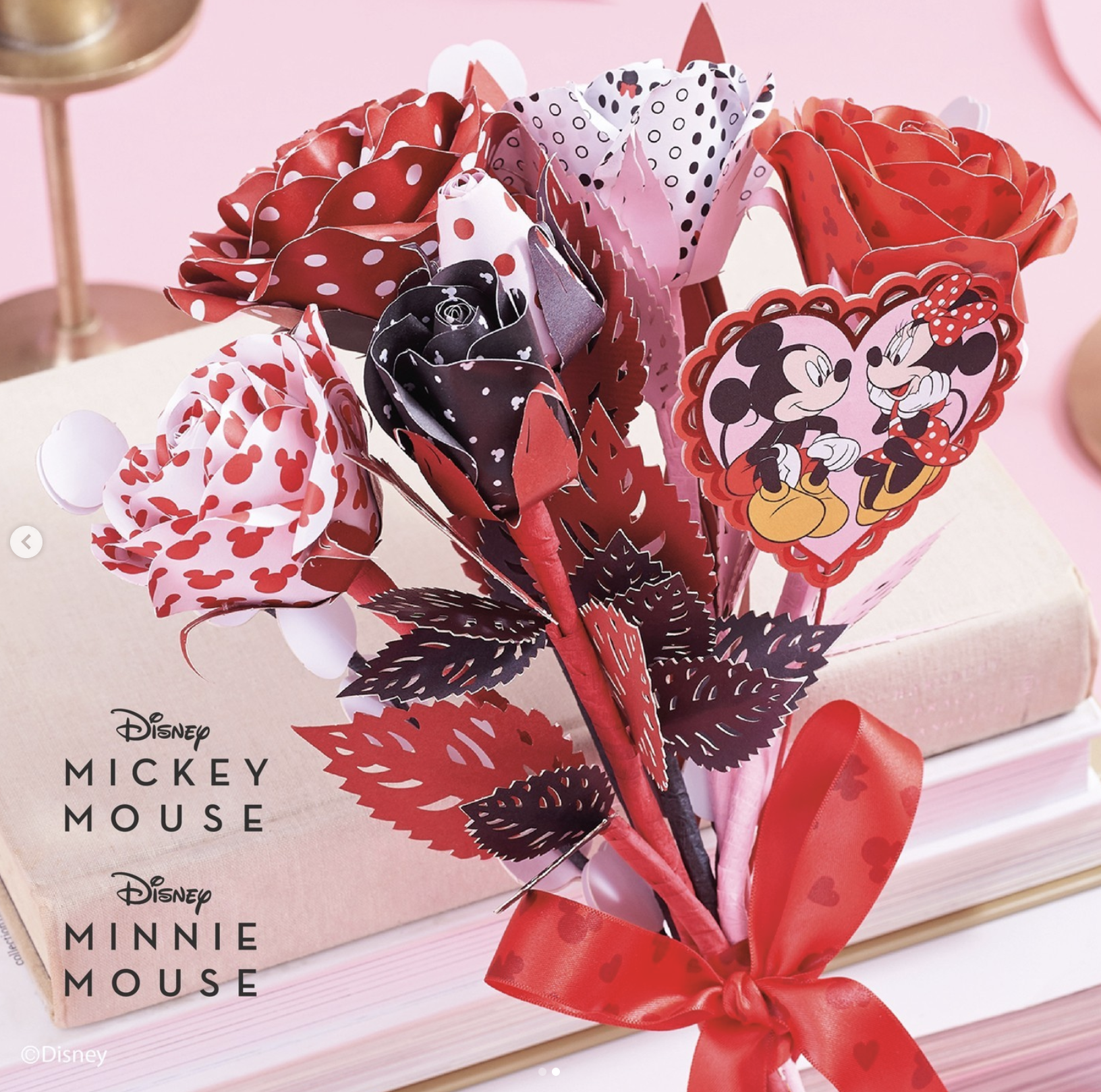
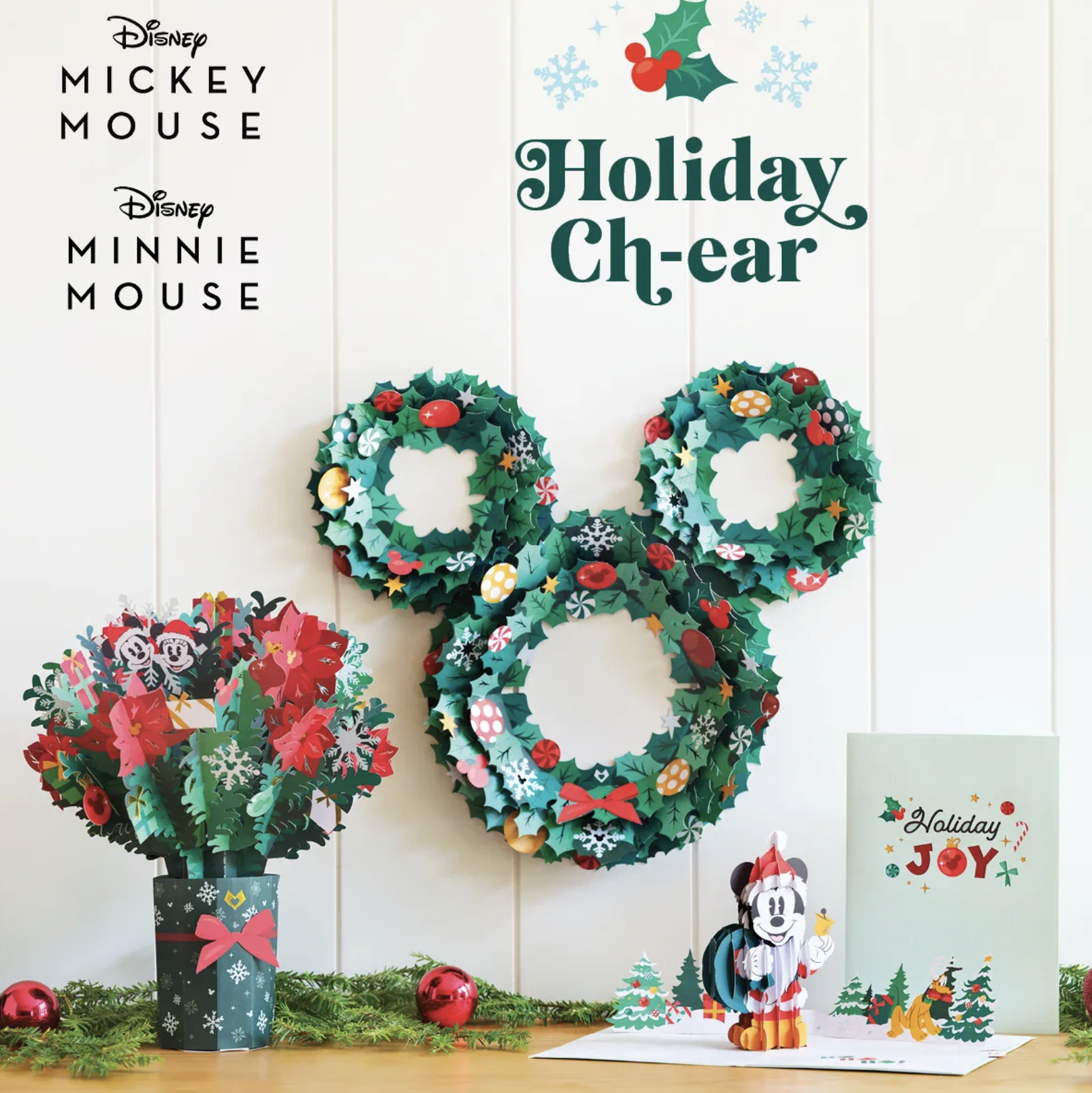
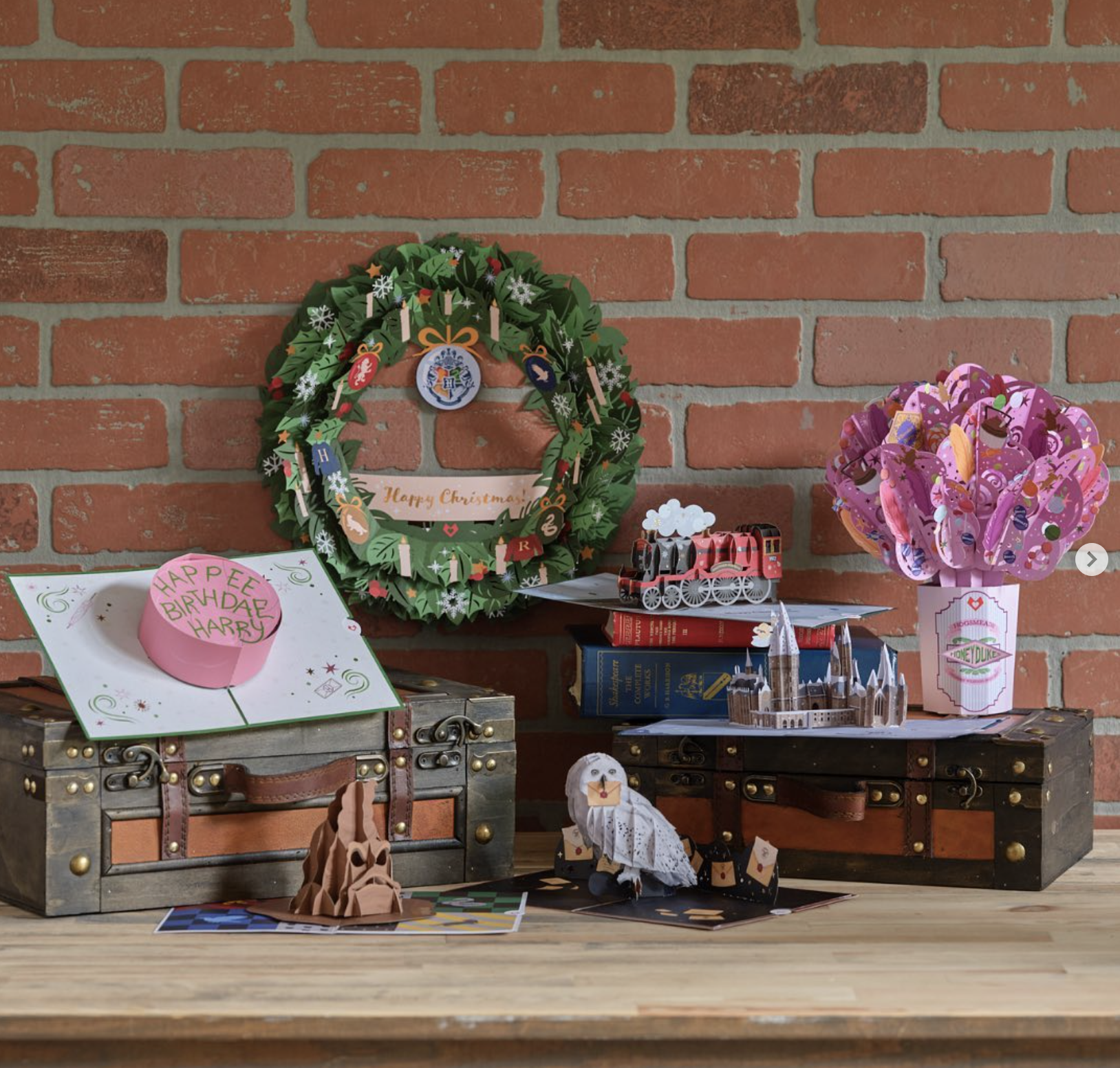
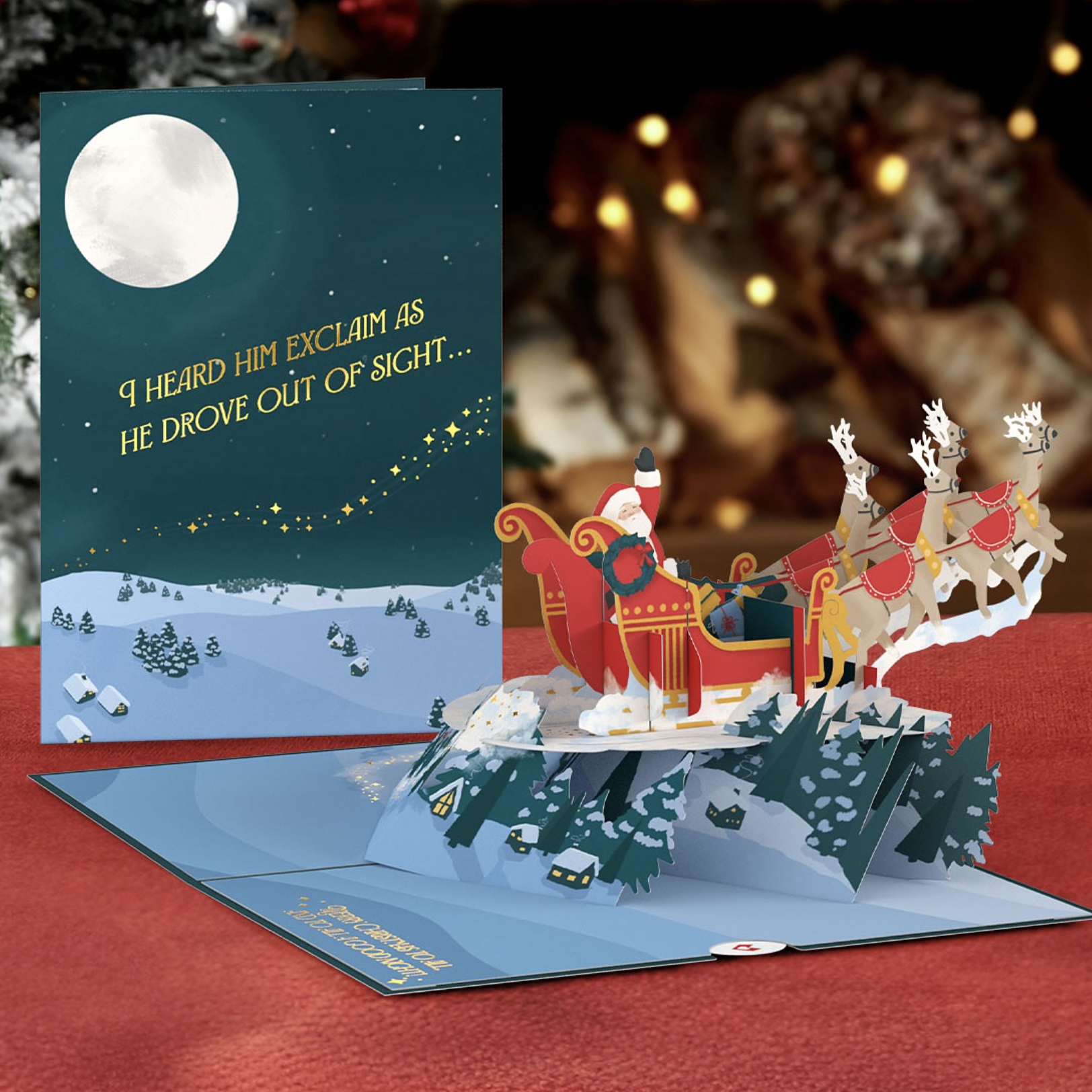
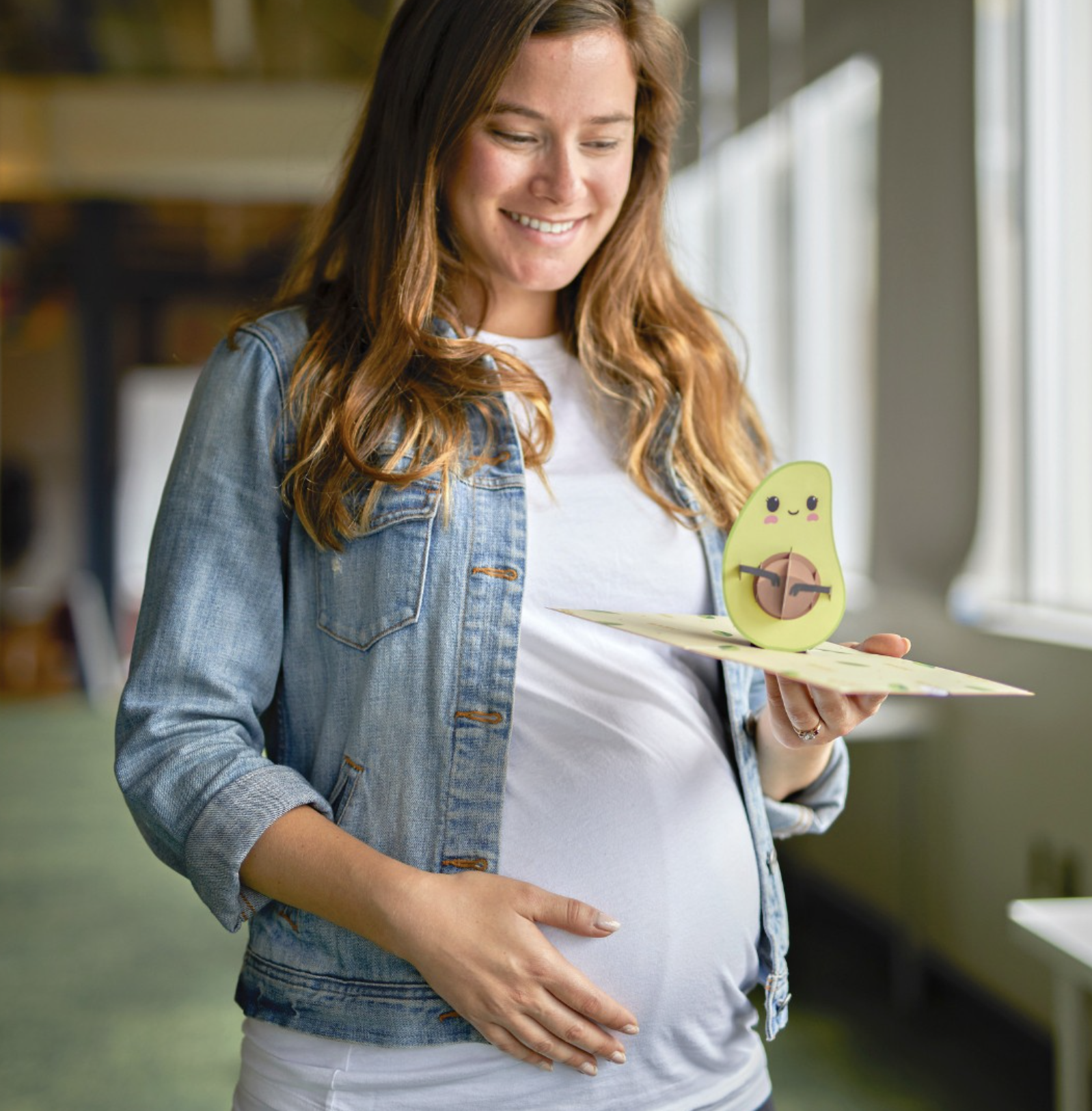
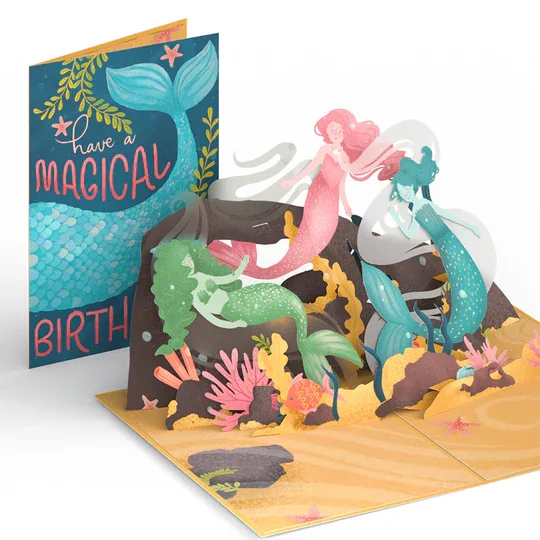
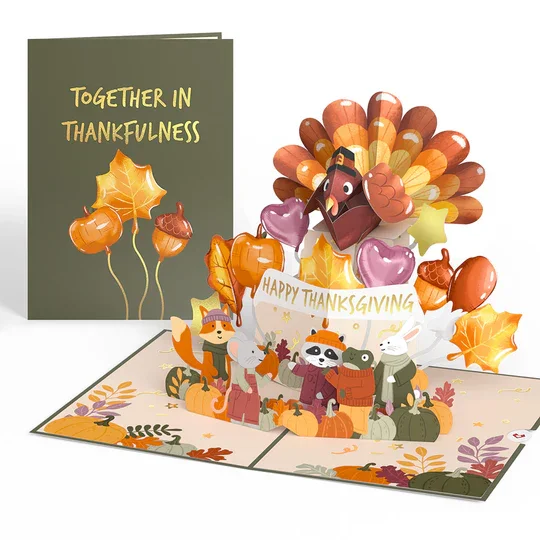
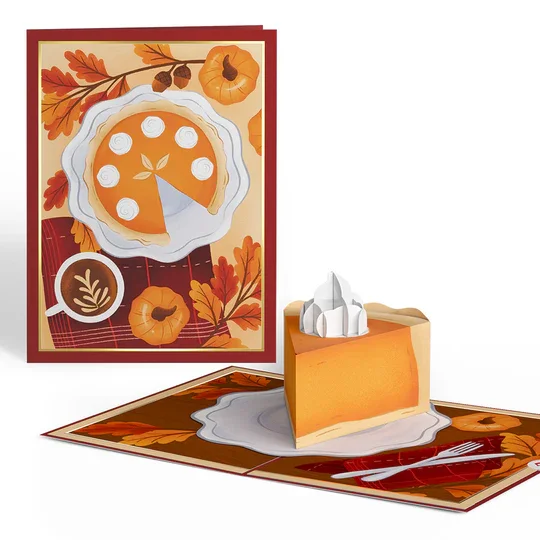
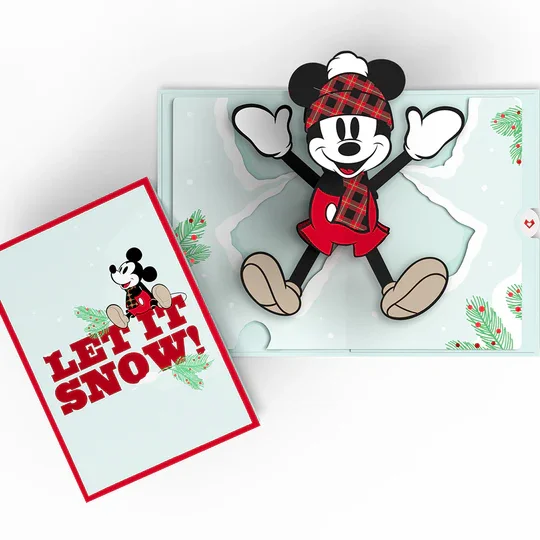
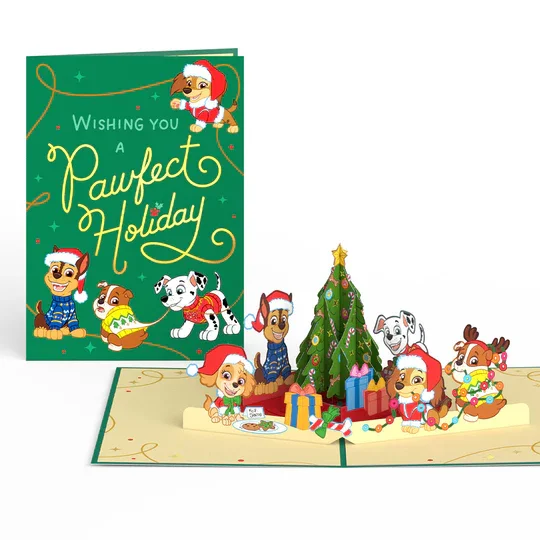
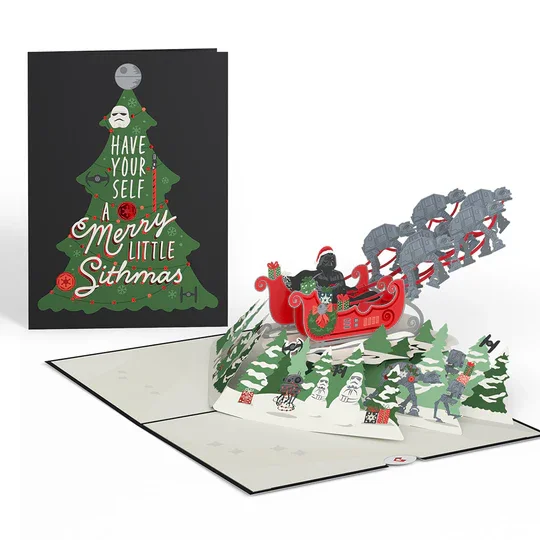
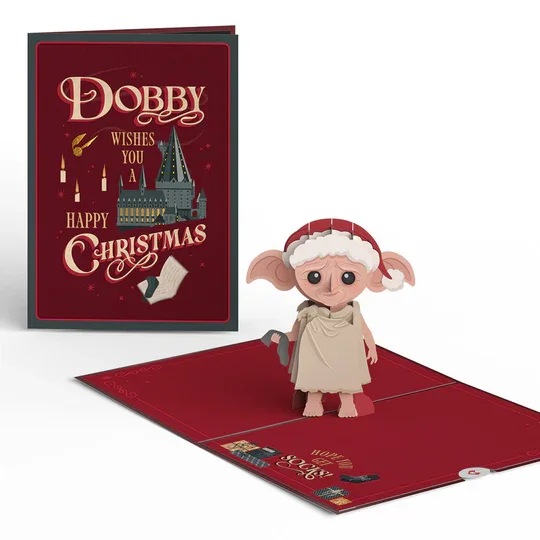
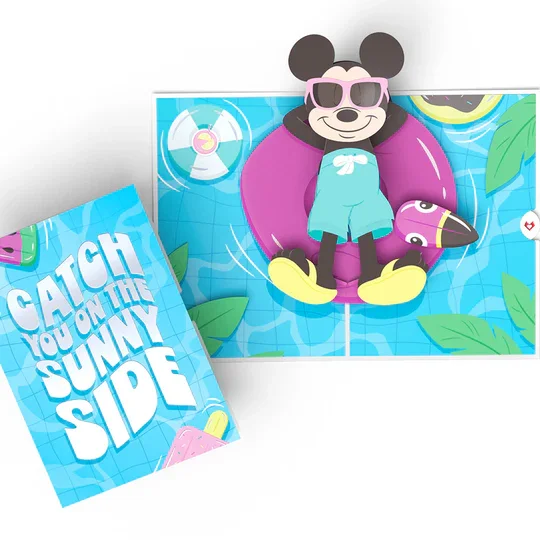
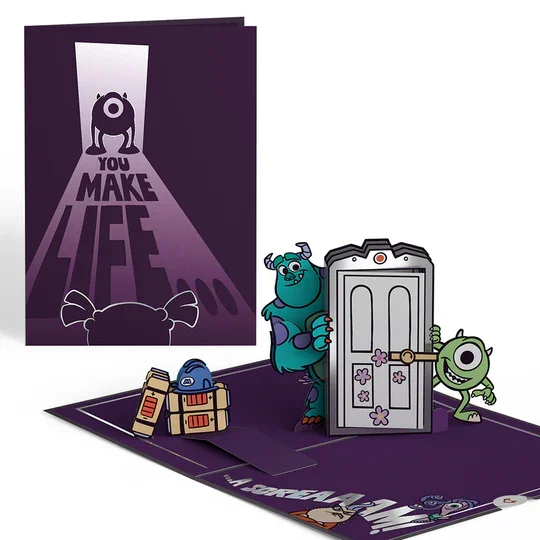
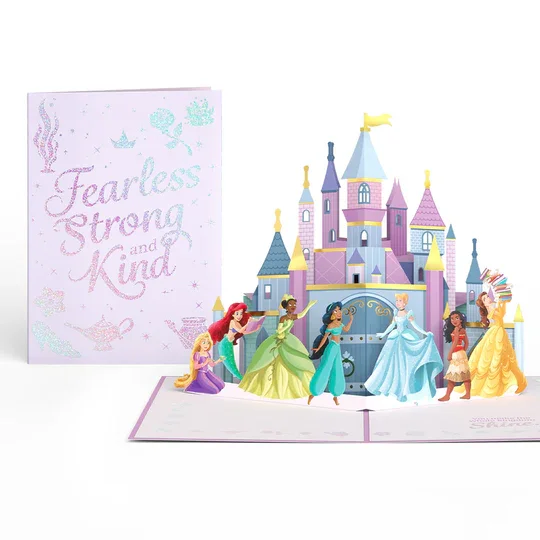
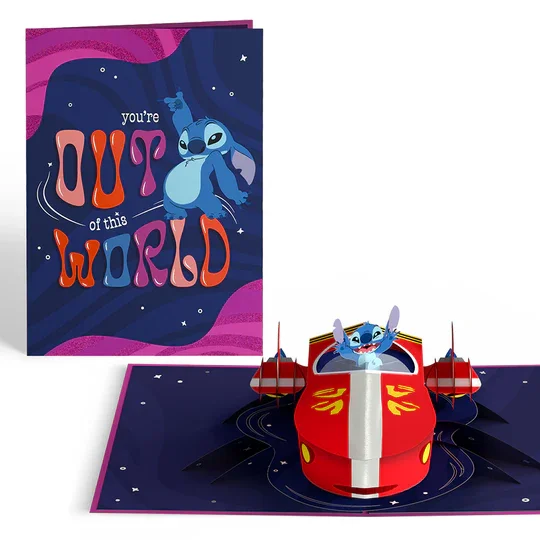
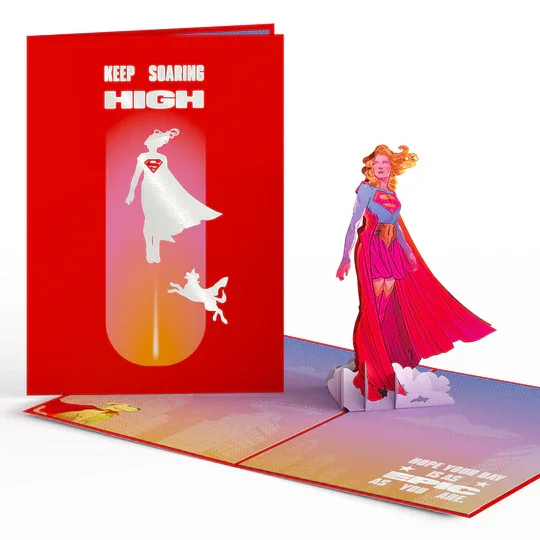
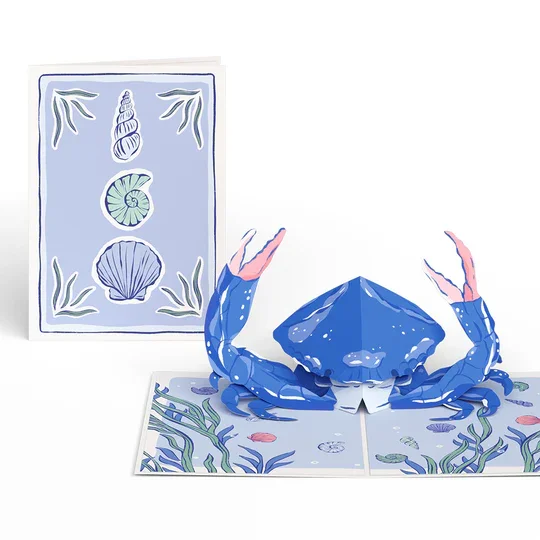
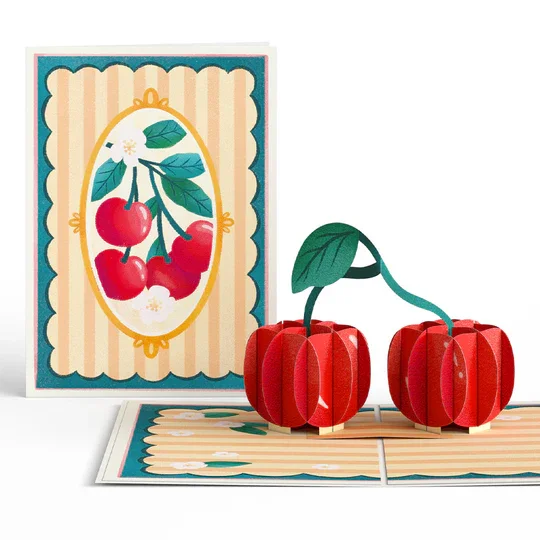
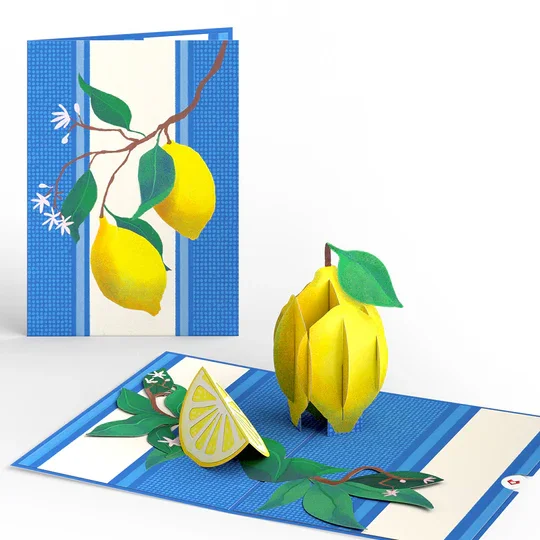
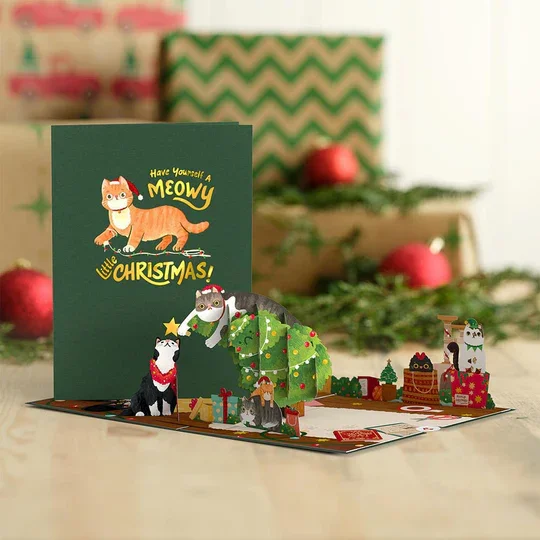
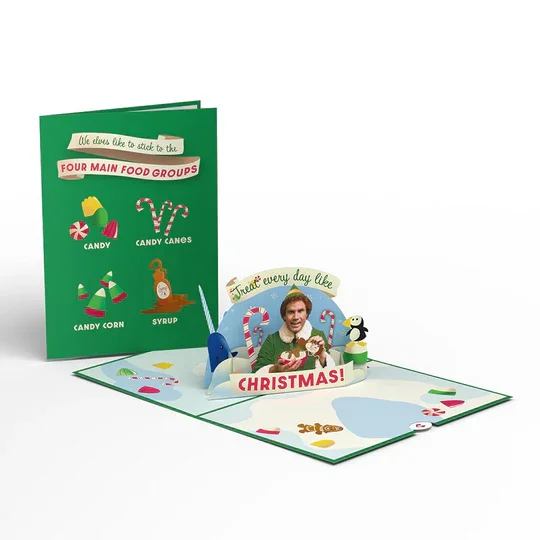
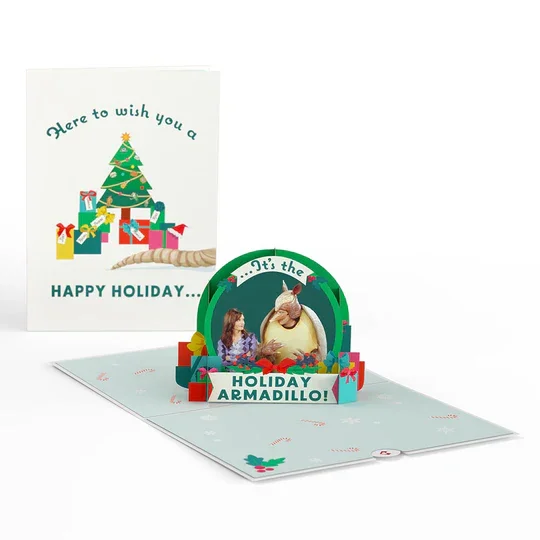
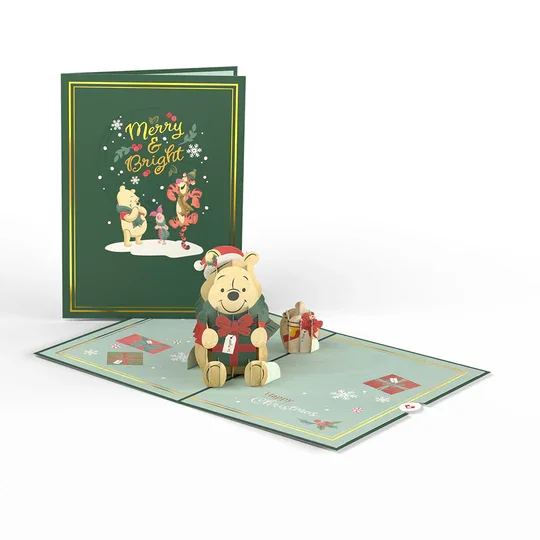
I built Lovepop's product organization from the ground up — structure, roles, workflows, and a team of engineers and illustrators/graphic designers working across two distinct divisions I stood up: licensed and non-licensed product. Reporting directly to the Founders, I grew that organization to 75+ product launches per quarter on a 4-week speed-to-market cycle, contributing $50+ million in company growth.
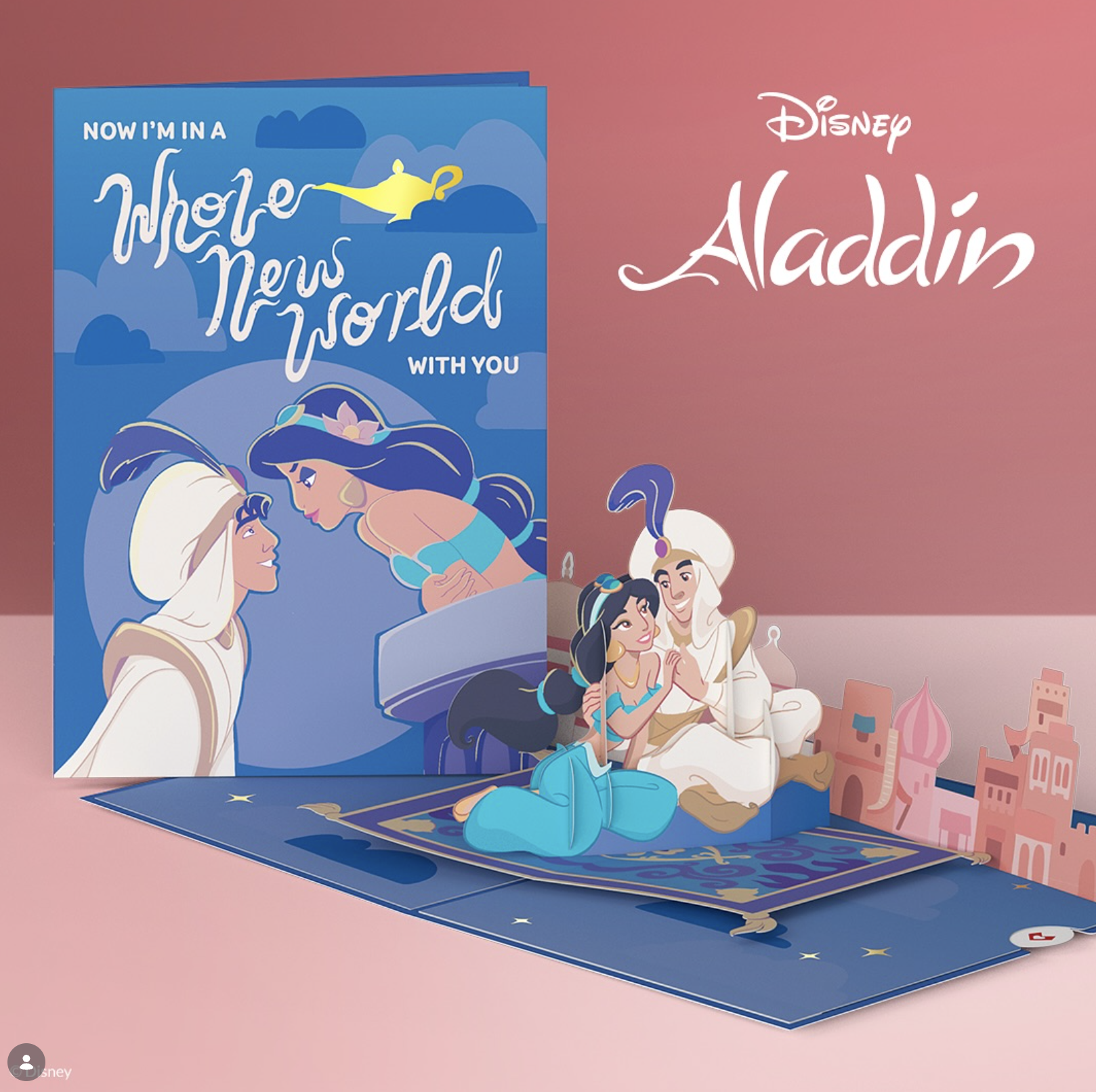
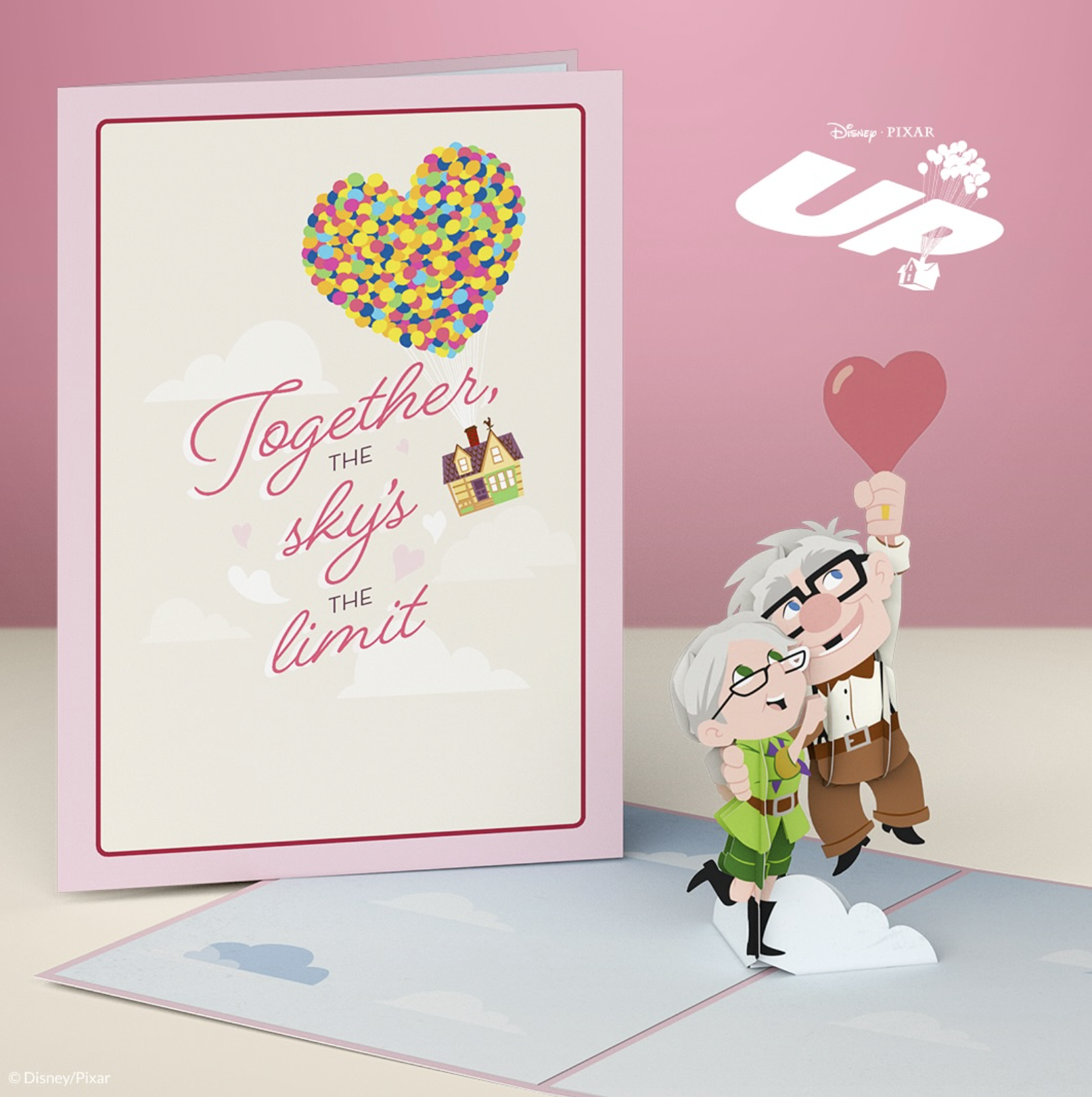
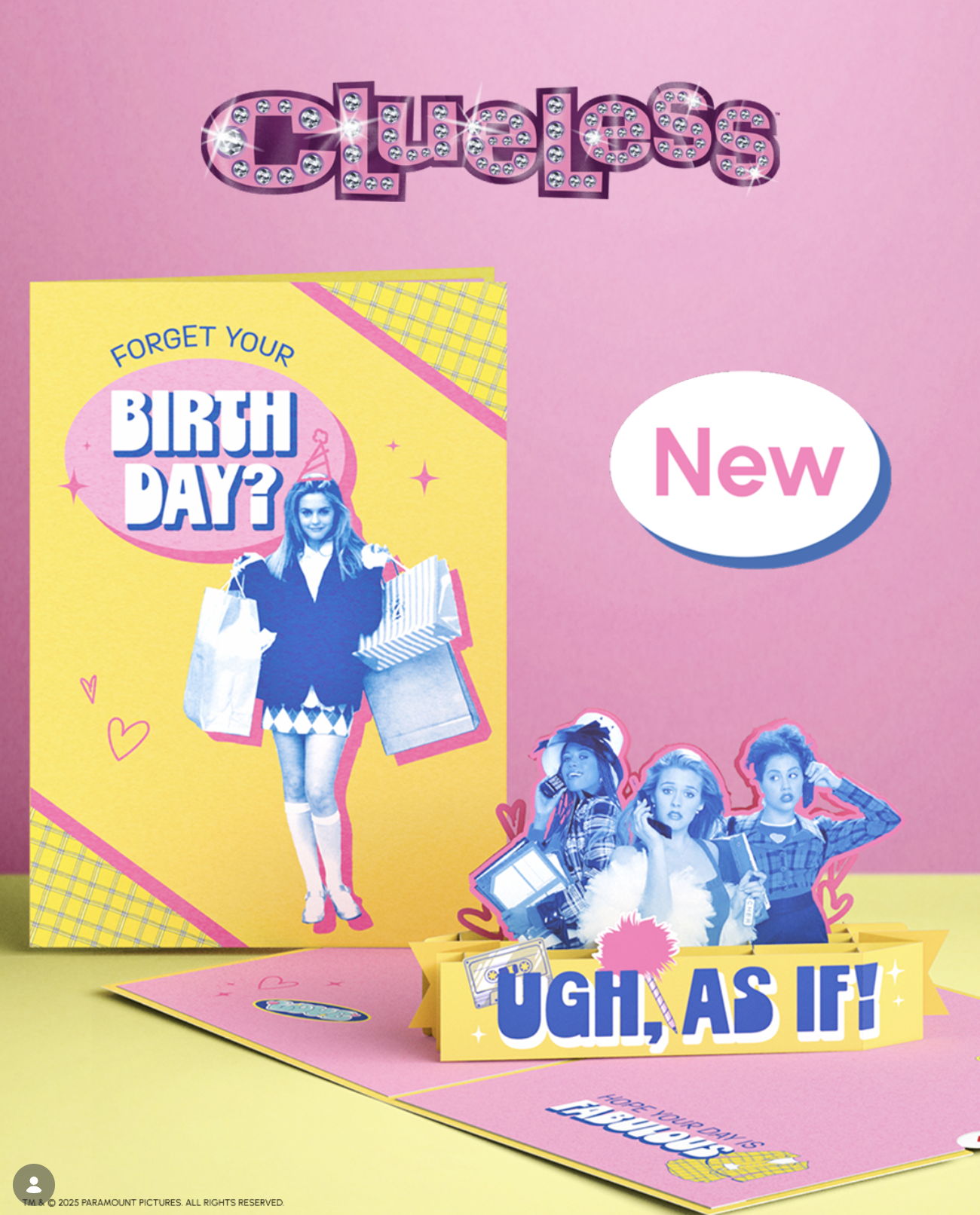
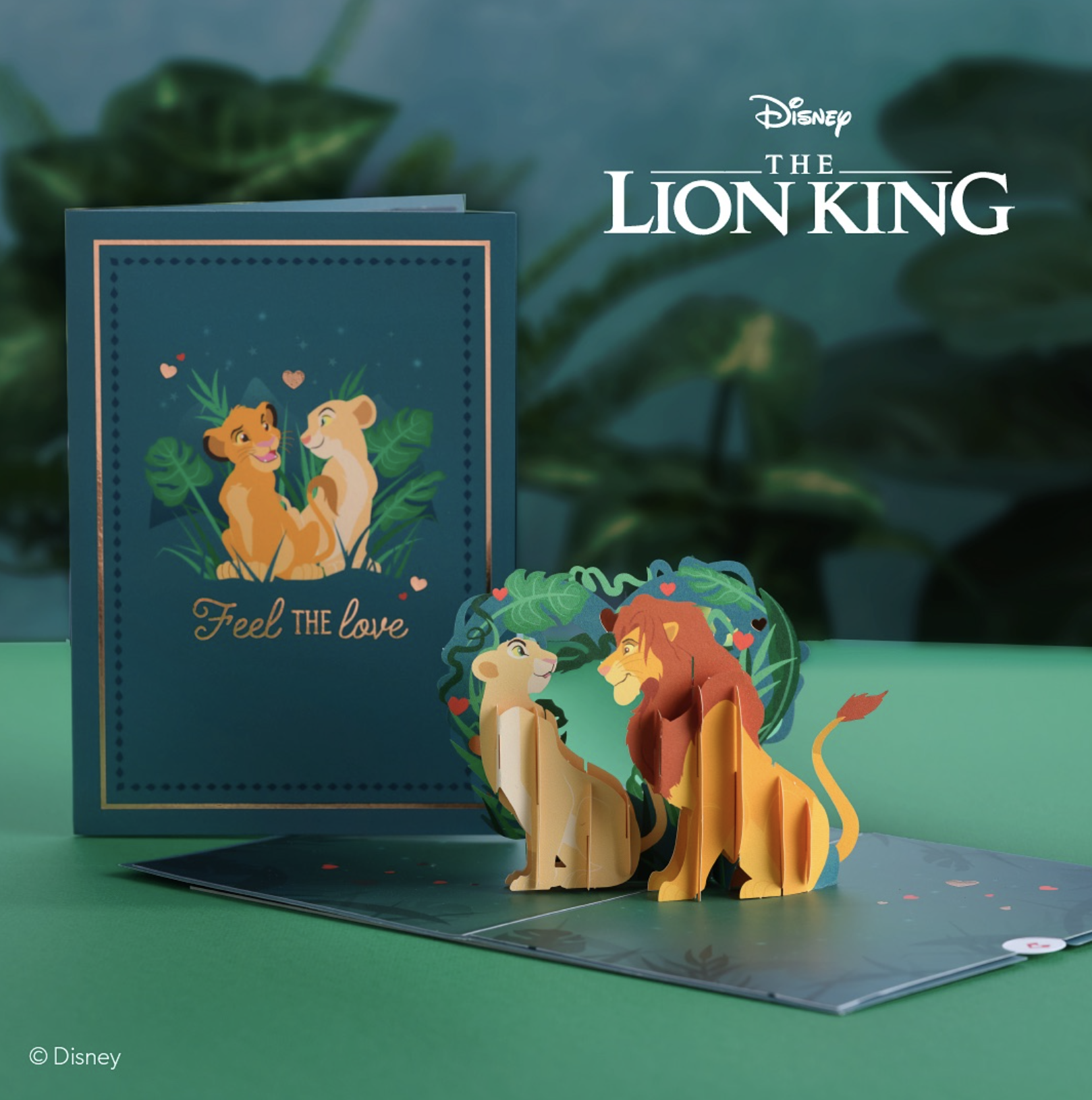
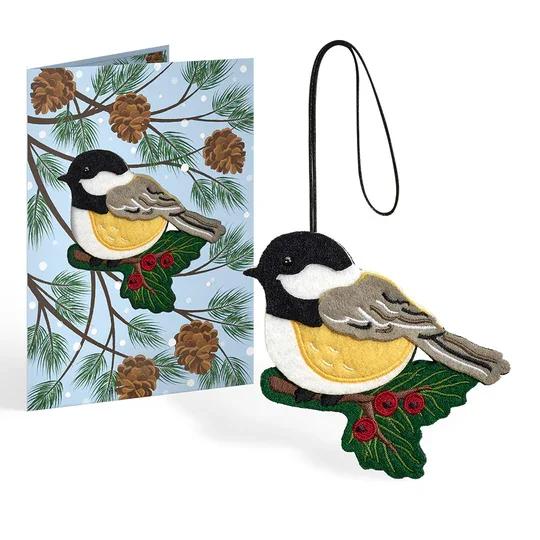
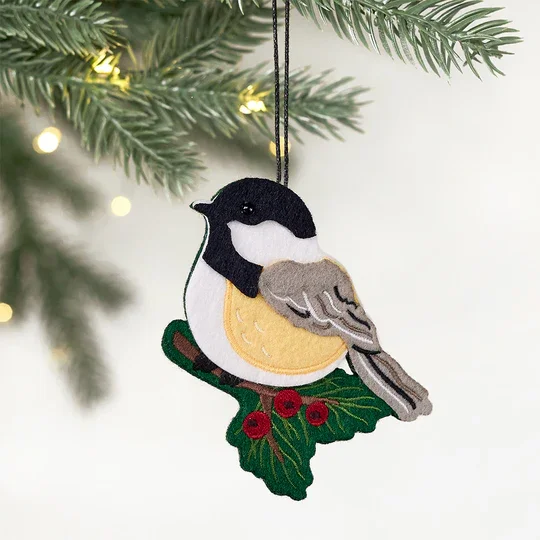
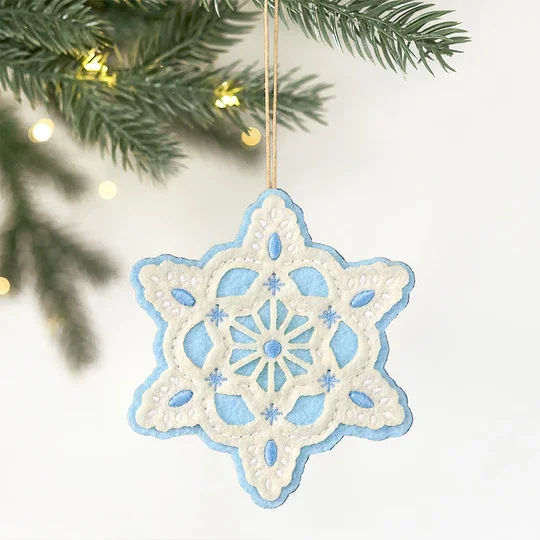
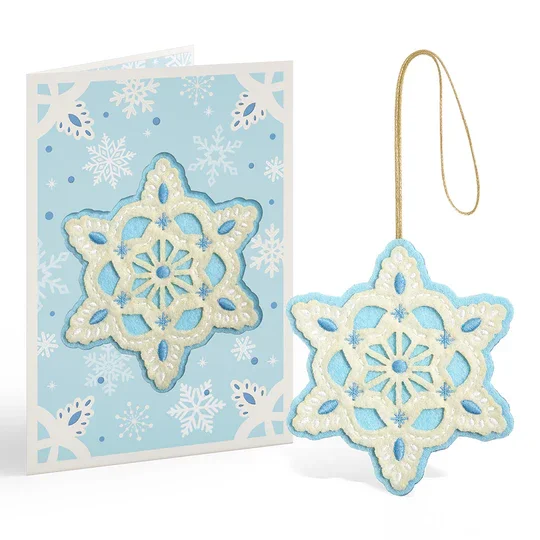
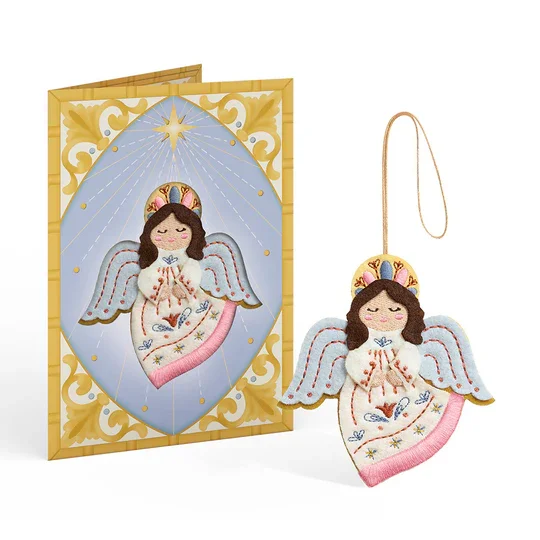
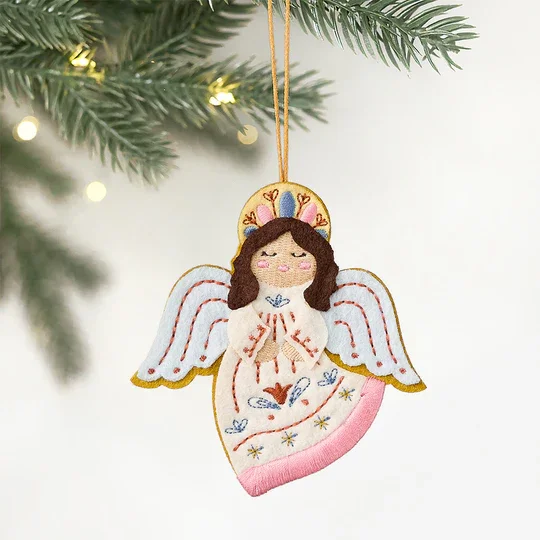
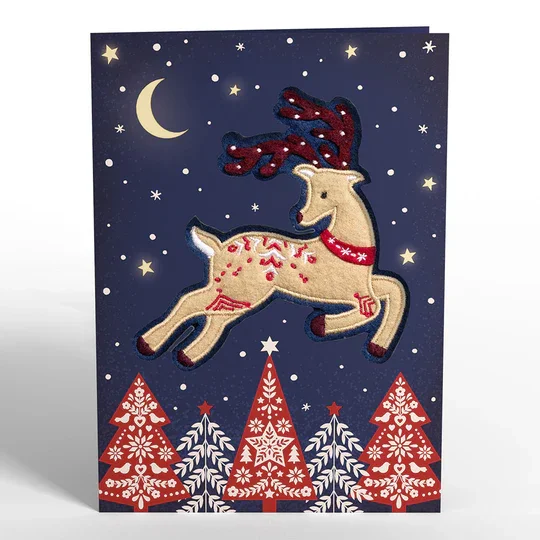
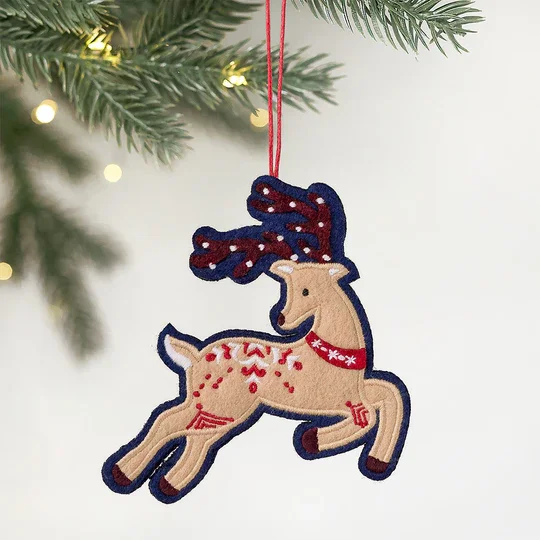
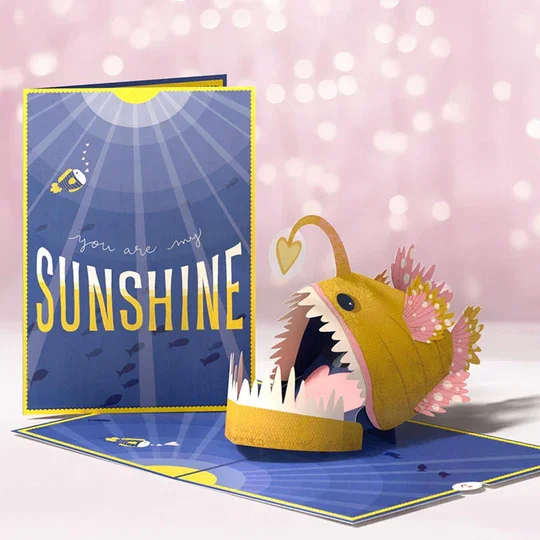
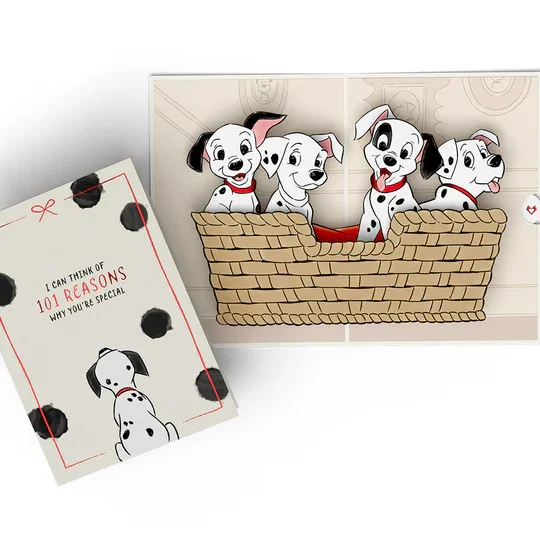
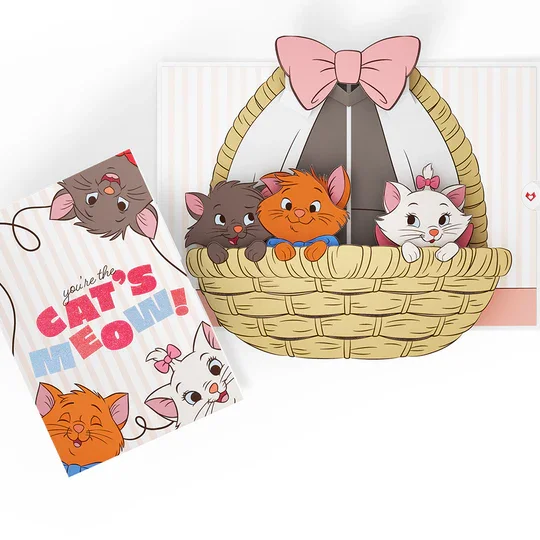
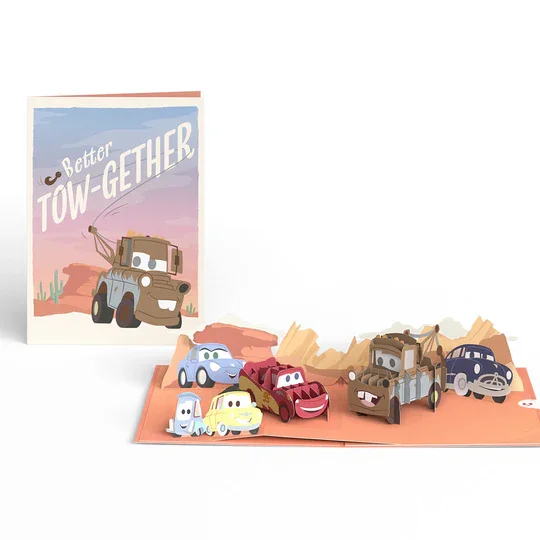
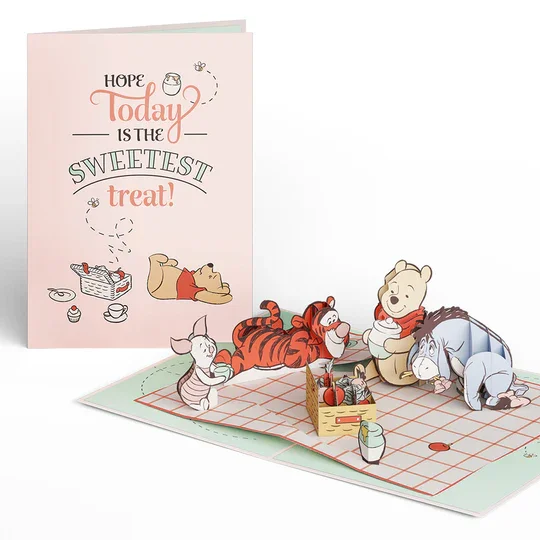
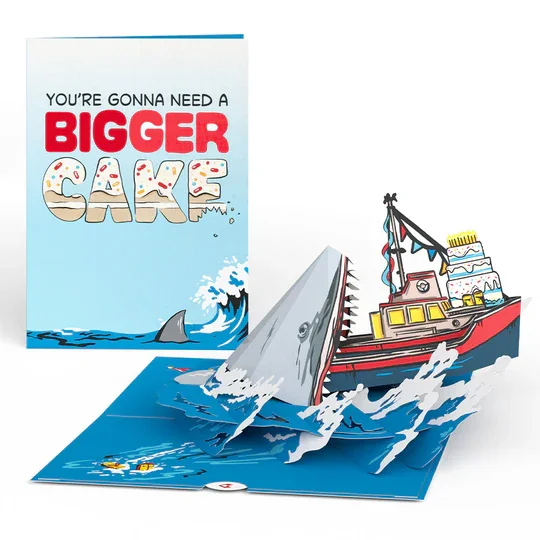
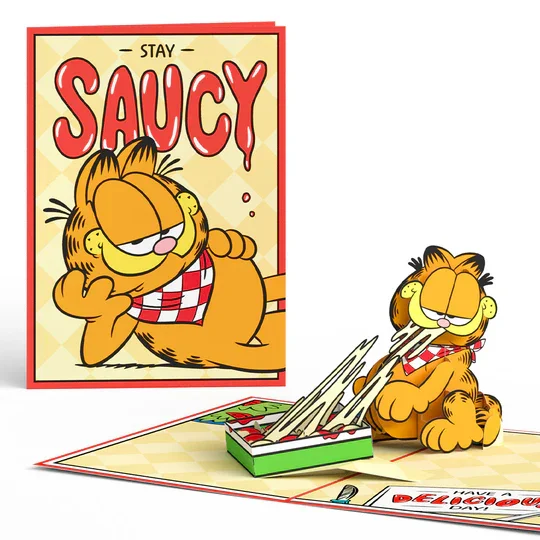
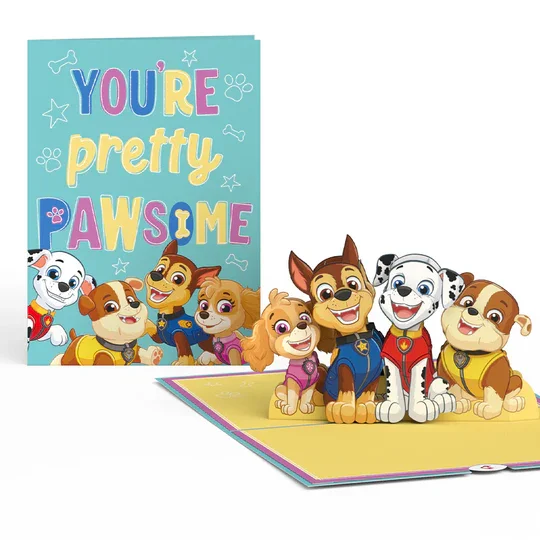
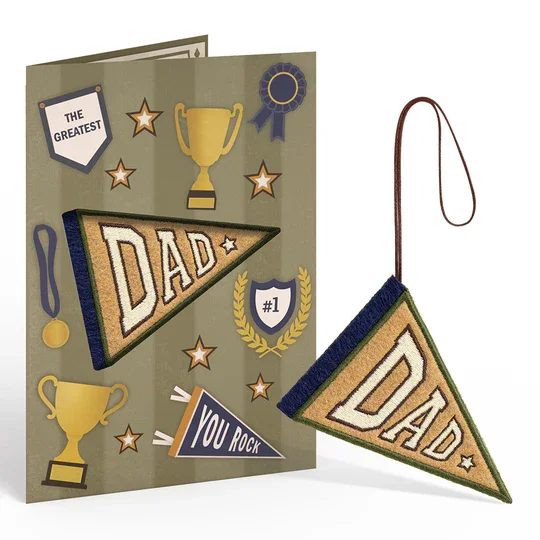
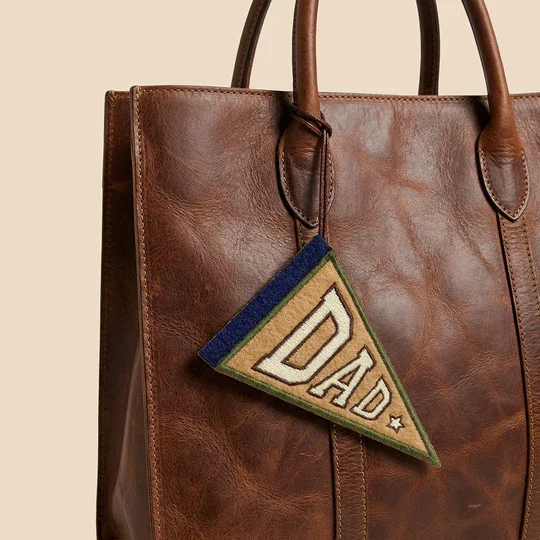
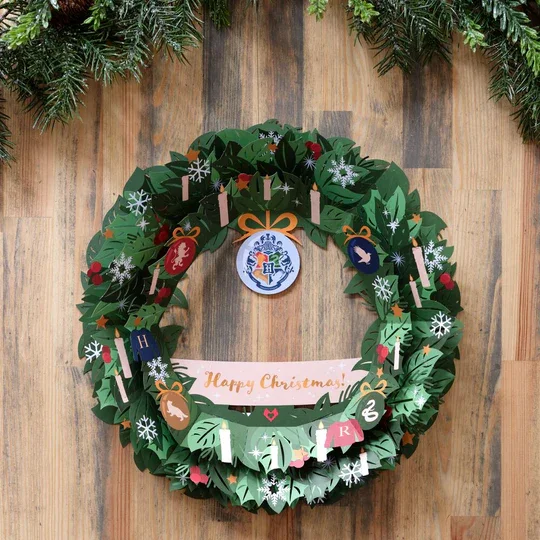
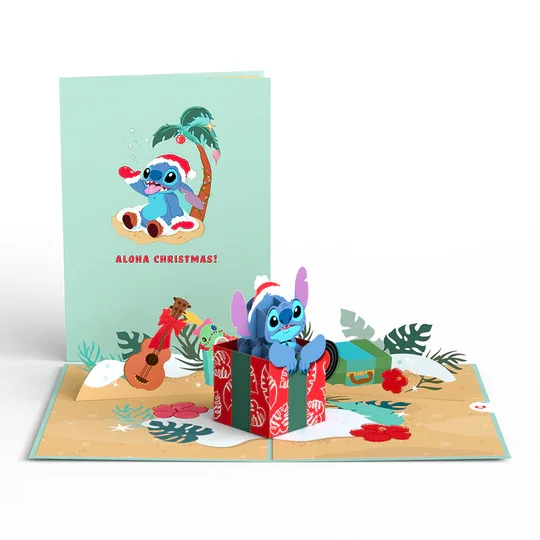
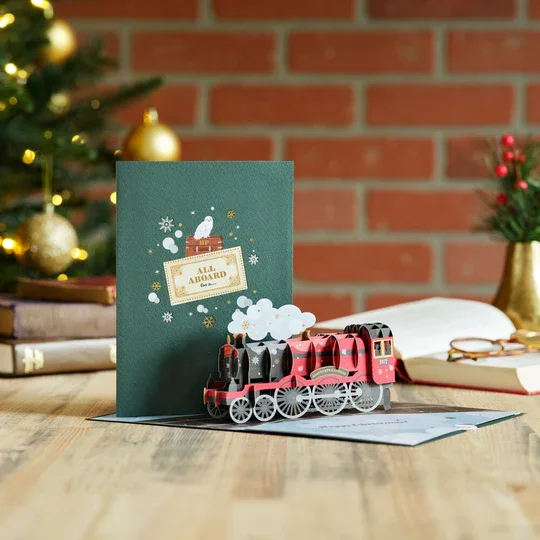
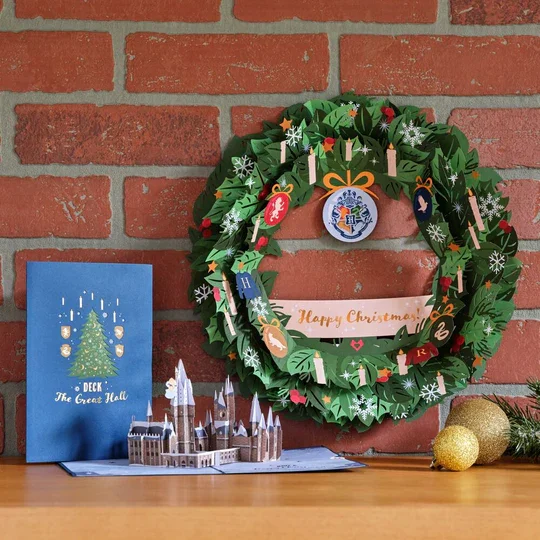
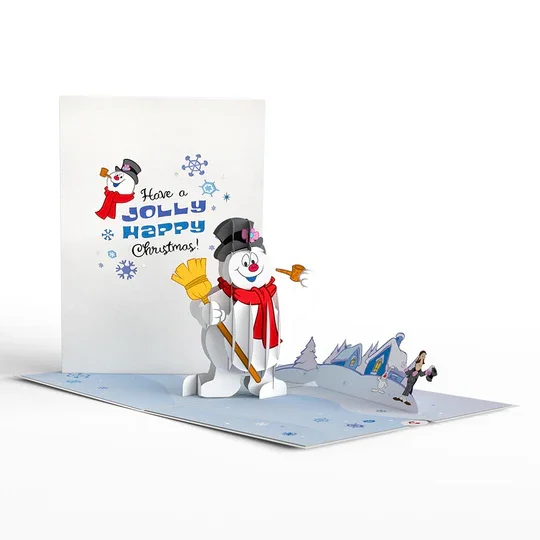
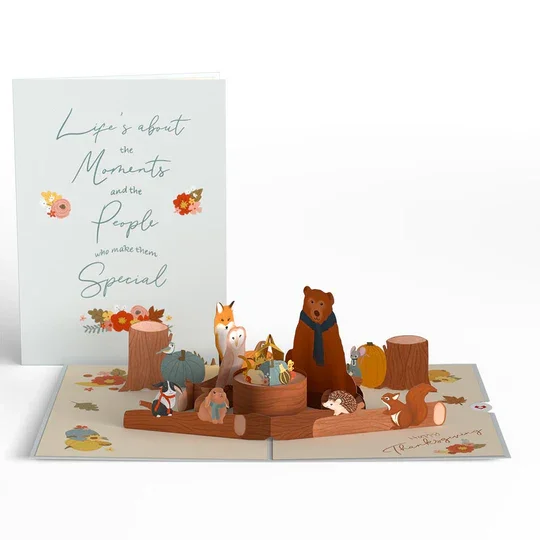
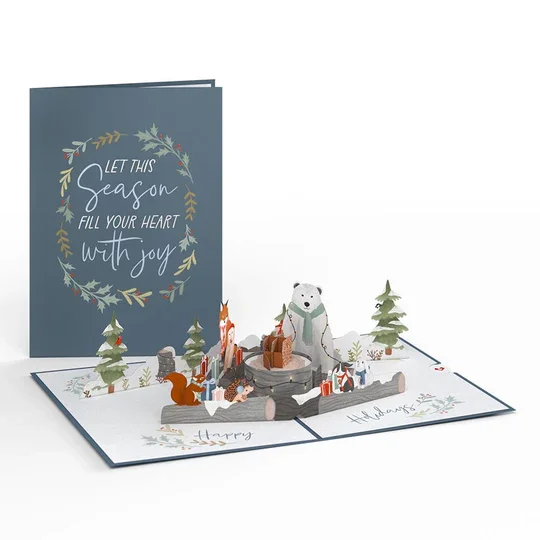
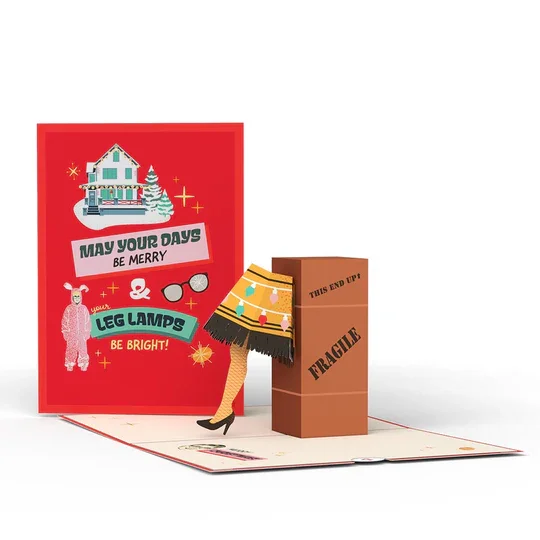
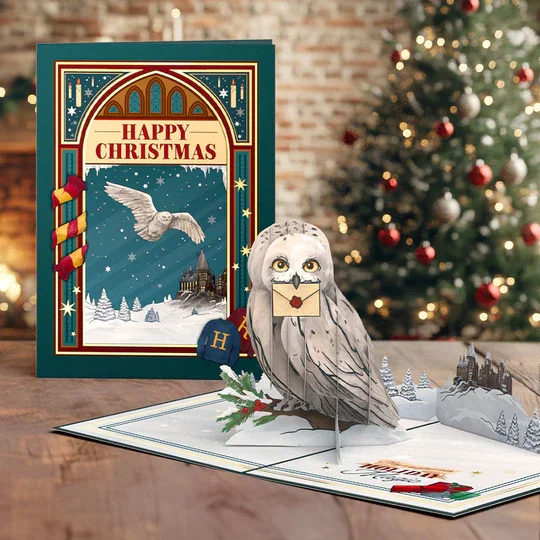
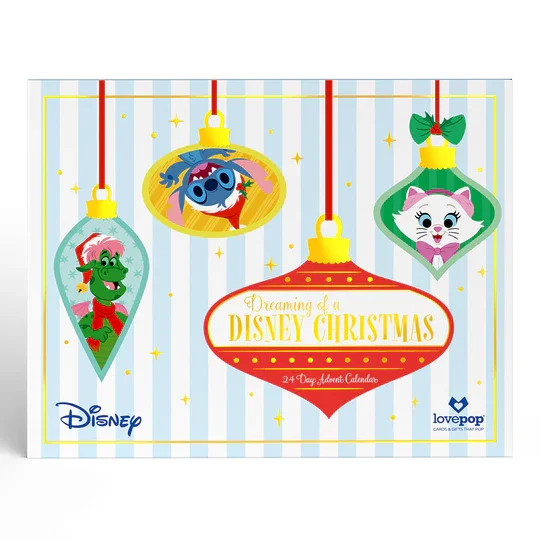
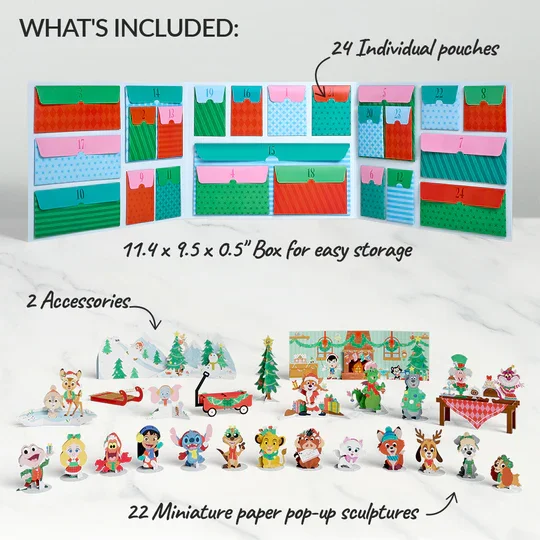
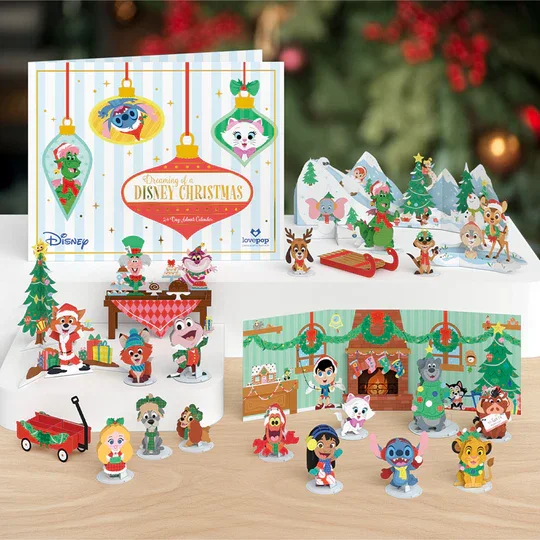
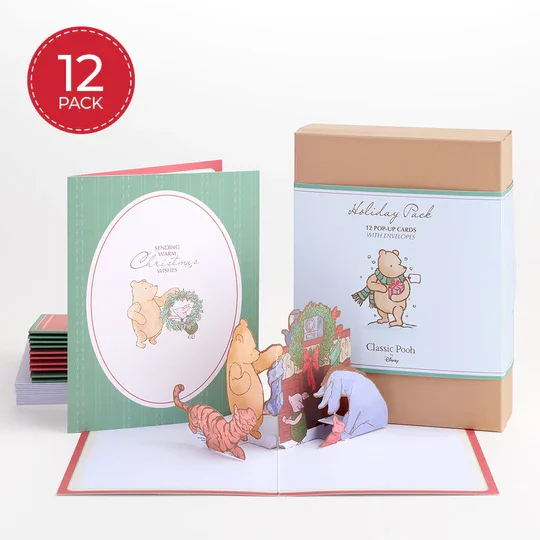
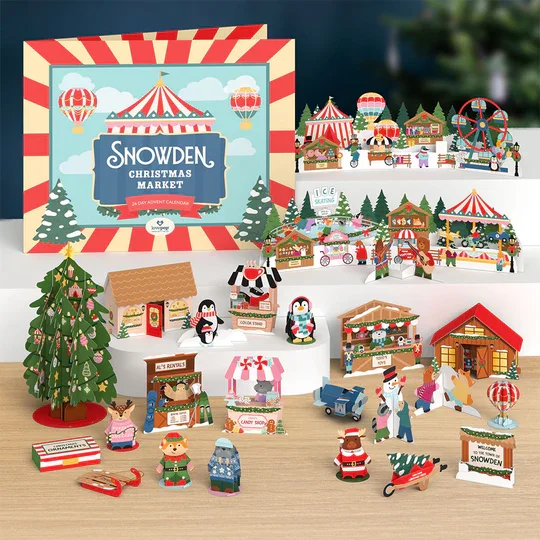
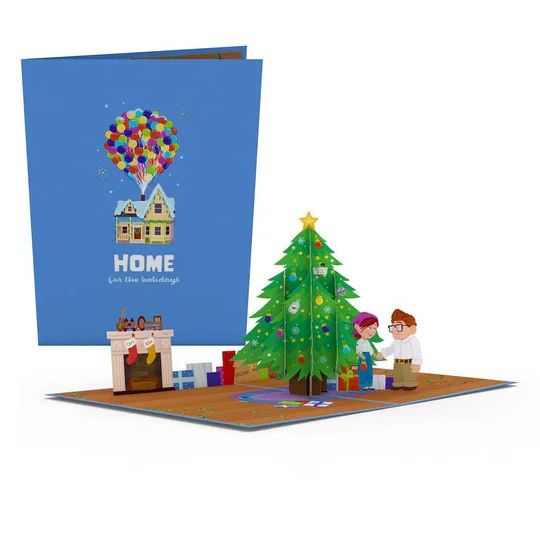
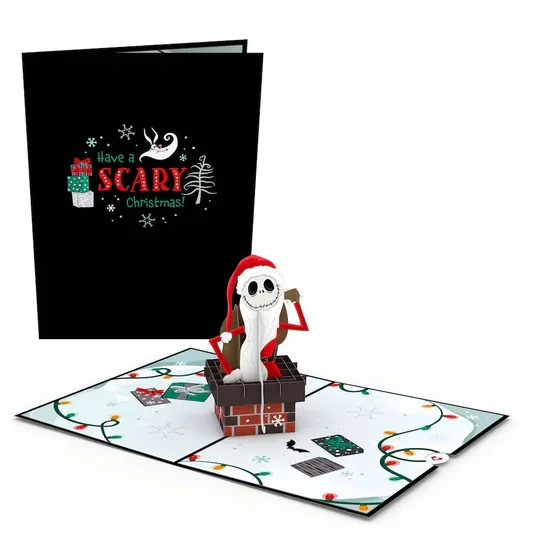
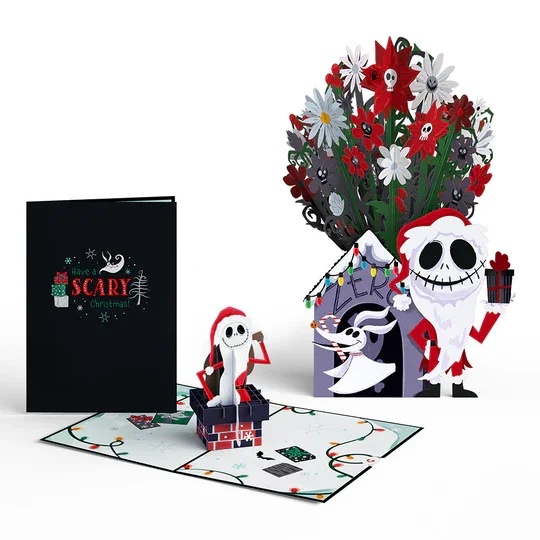
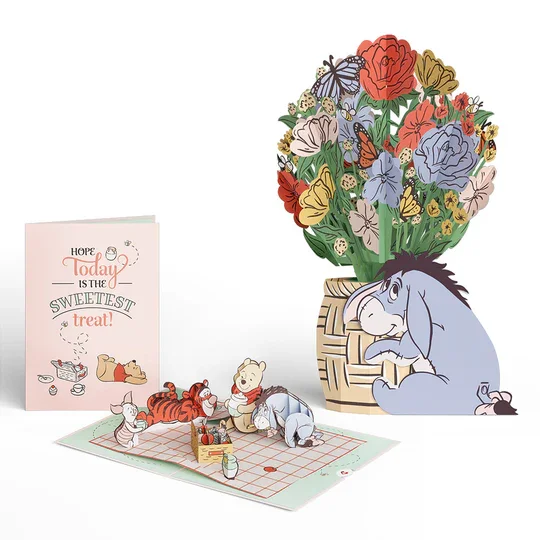
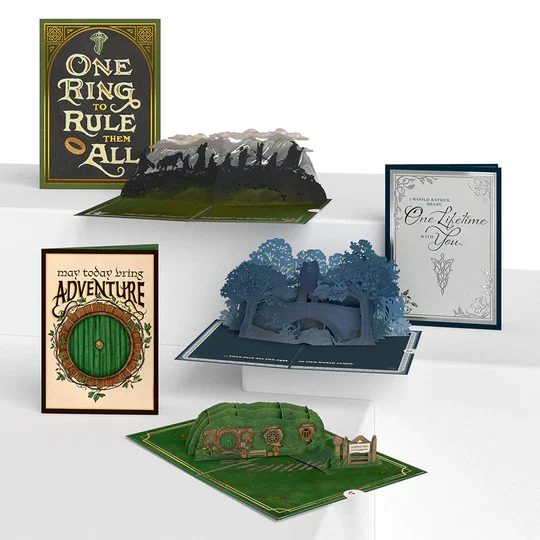
The licensed division brought Disney, Star Wars, Harry Potter, Netflix, and more to life at a pace few competitors could match. Alongside it, I built the non-licensed core product division, expanding well beyond paper into plush, light and sound cards, light bouquets, felt charms, and suncatcher bouquets and cards.
I managed the Vietnam relationship through weekly virtual meetings, plus regular in-person visits — including a month-long stretch on the ground — leading up to 15 direct reports and 20+ indirect reports across both countries, plus a freelance resource network built to flex with demand.
Vice President Design & Product Development at Lovepop,
2018-2026
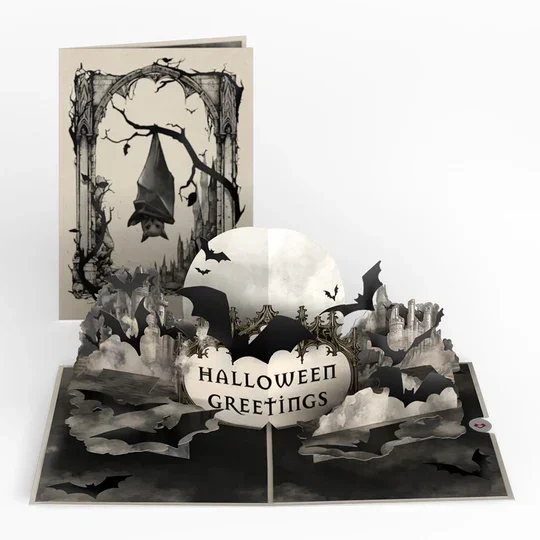
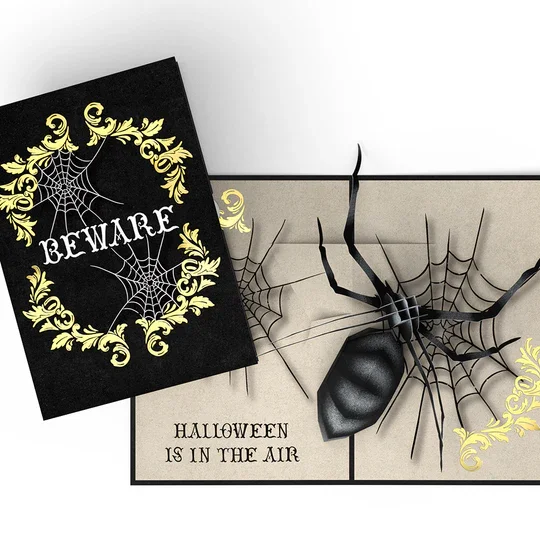
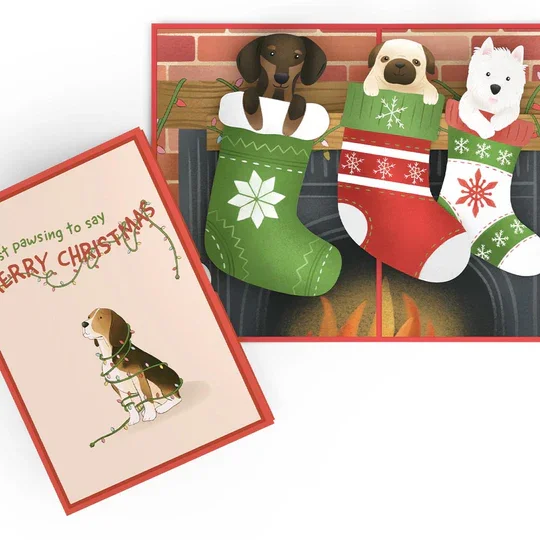
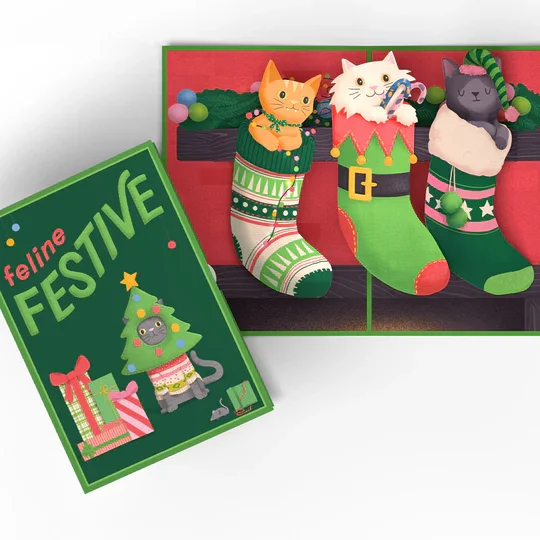
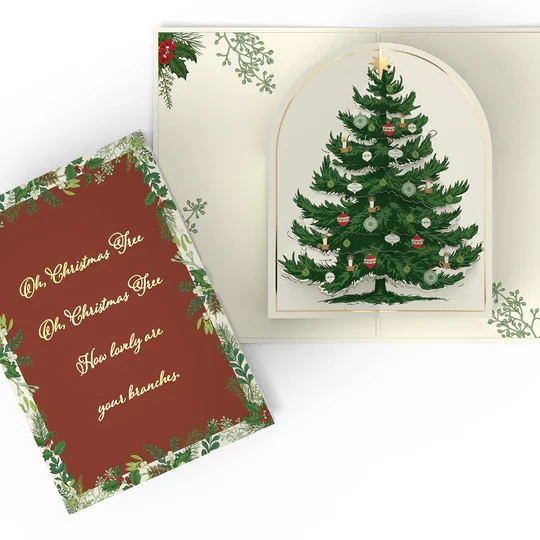
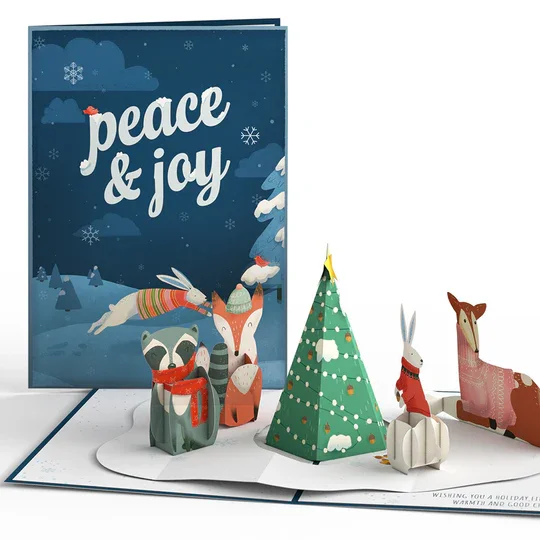
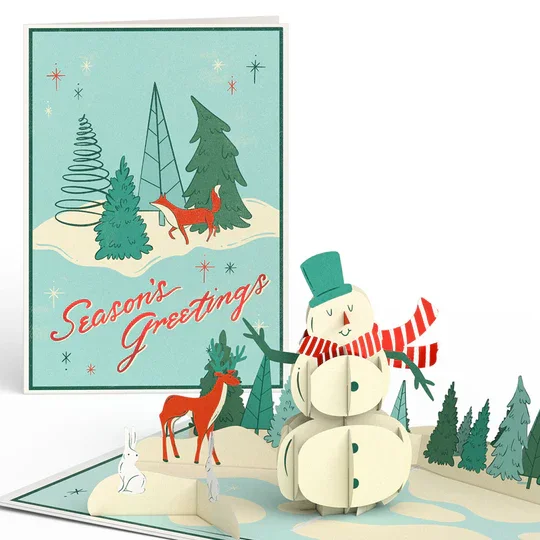
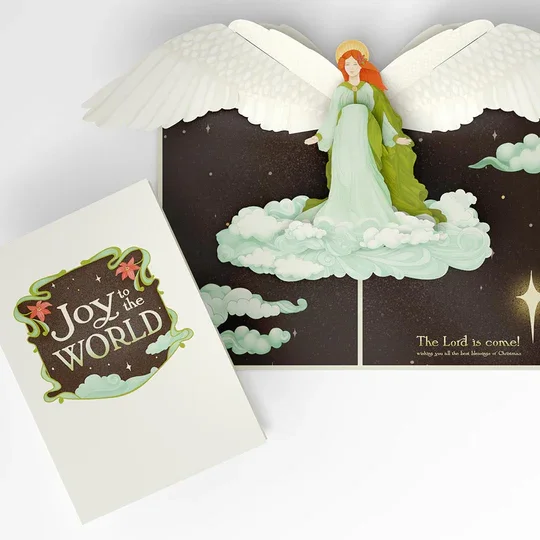
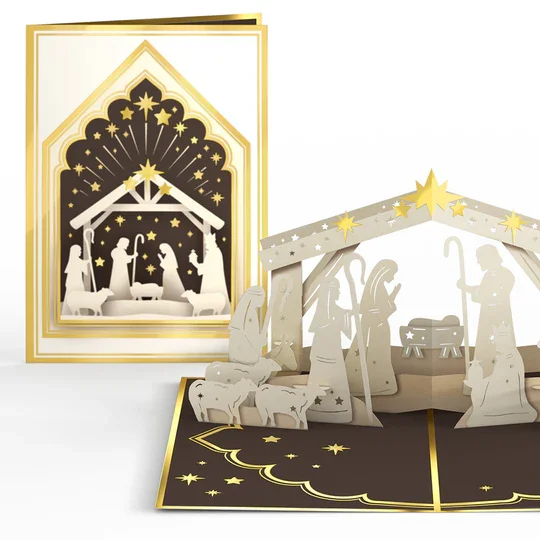
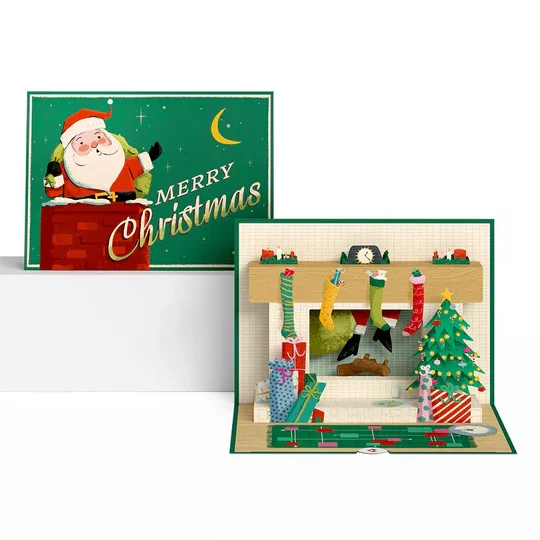
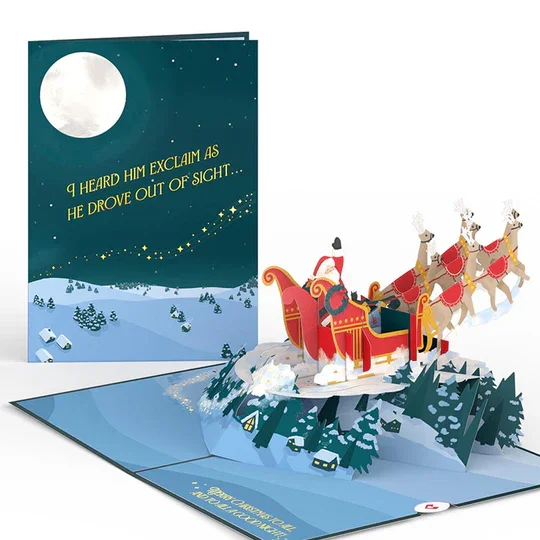
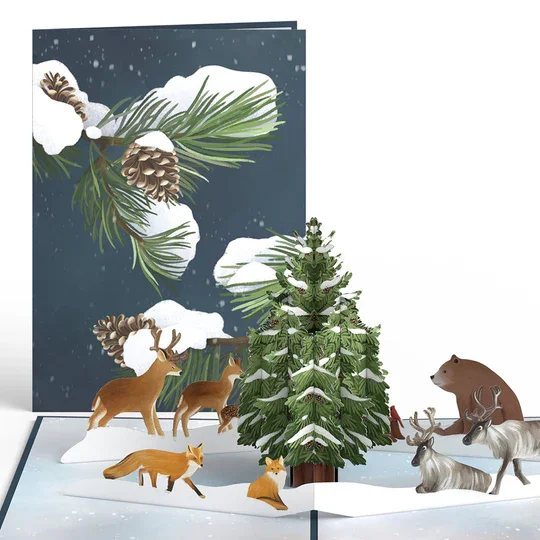
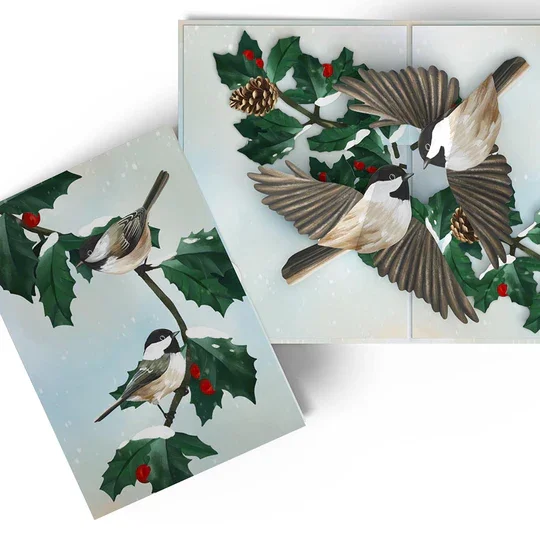
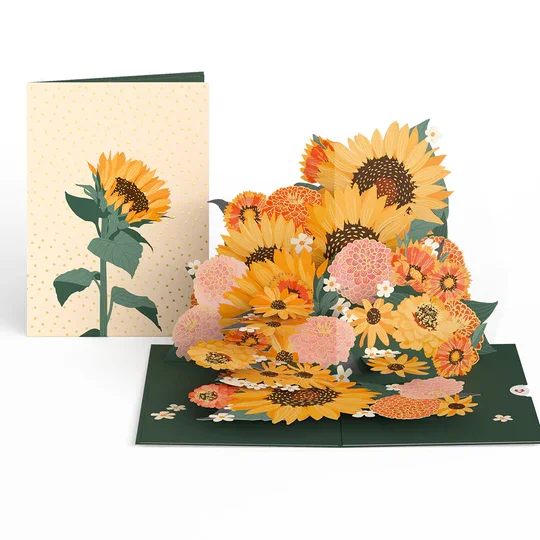
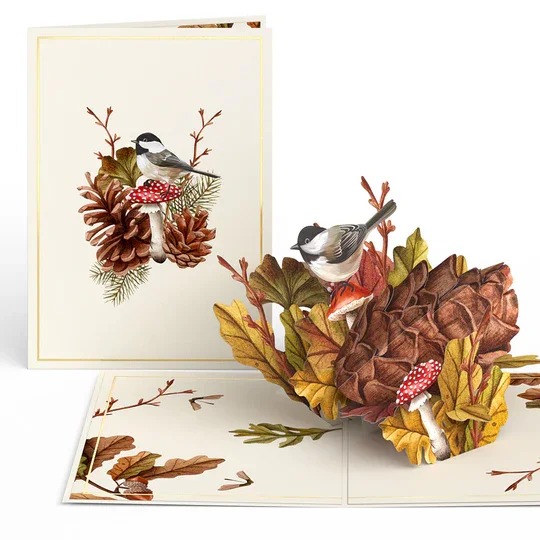
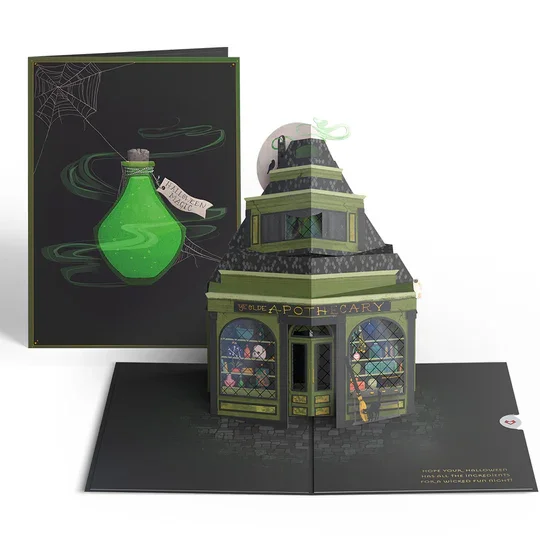
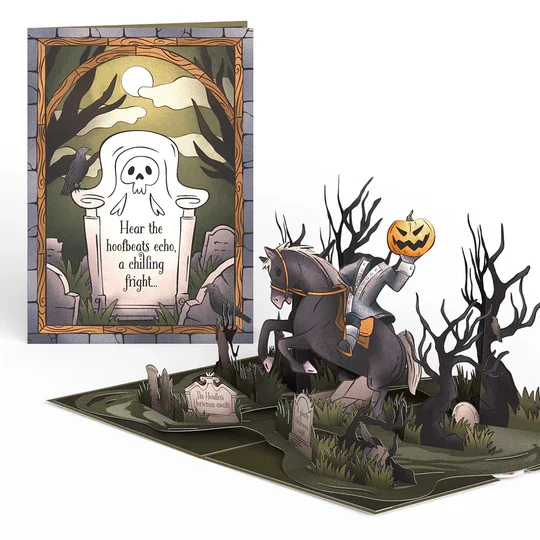
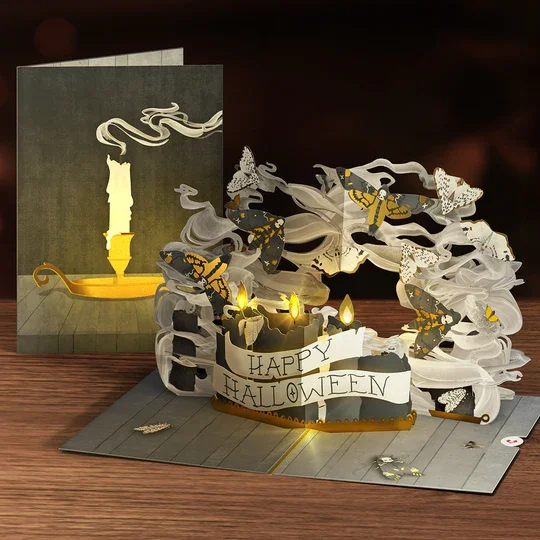
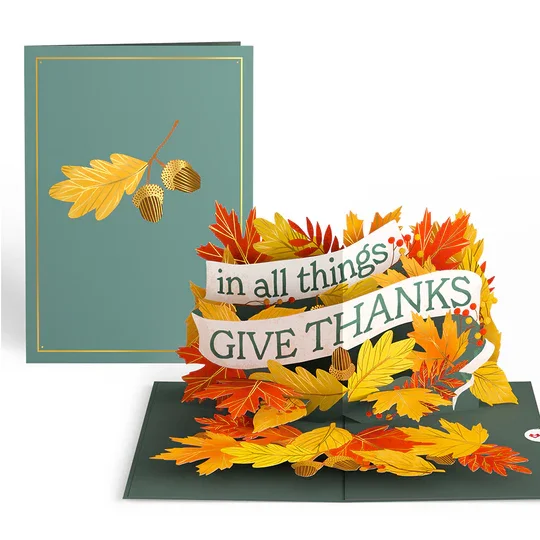
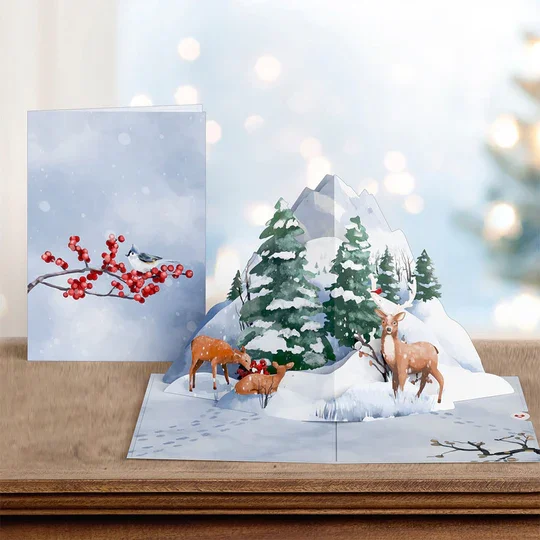
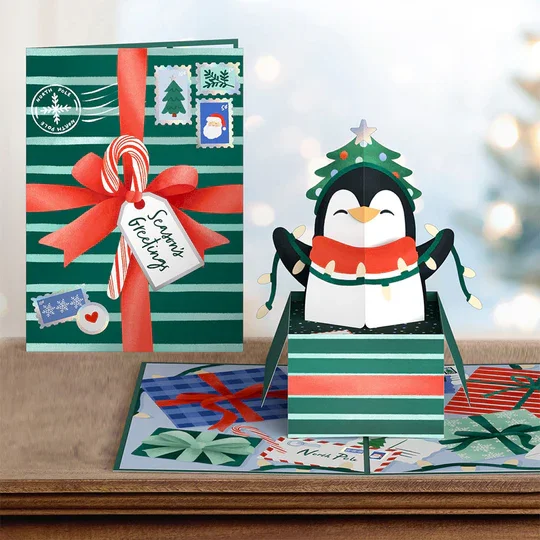
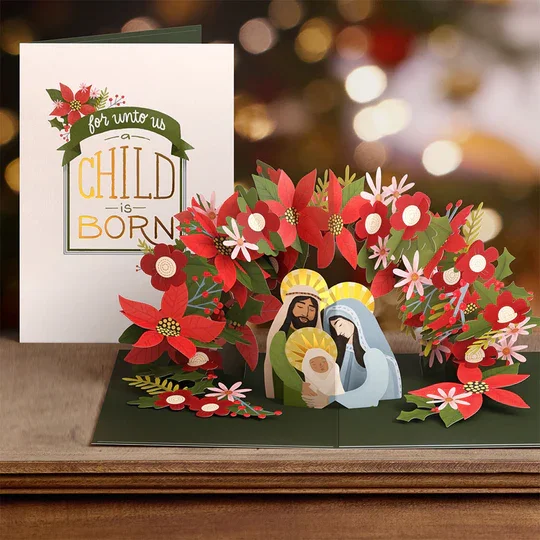
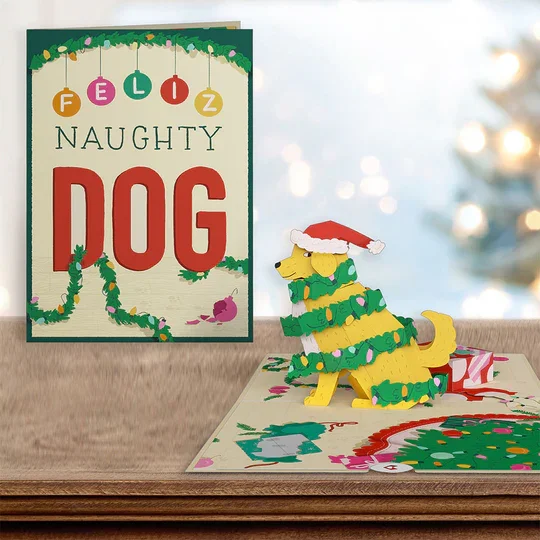
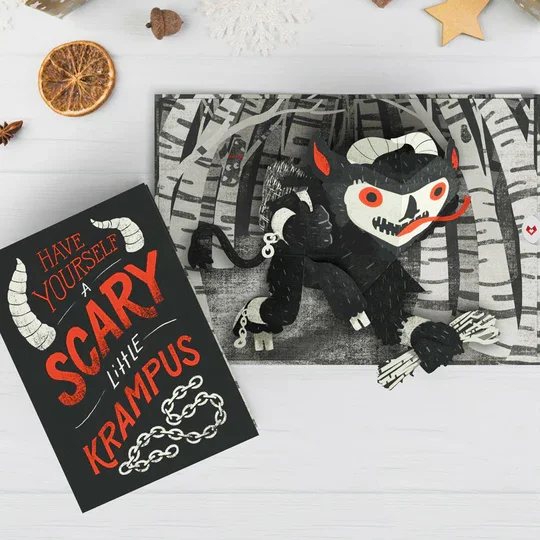
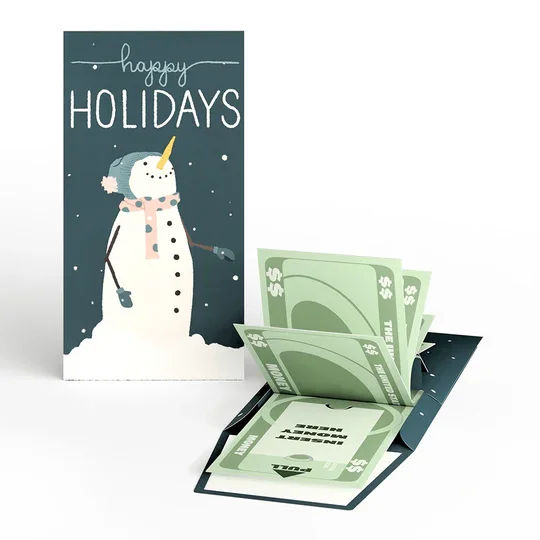
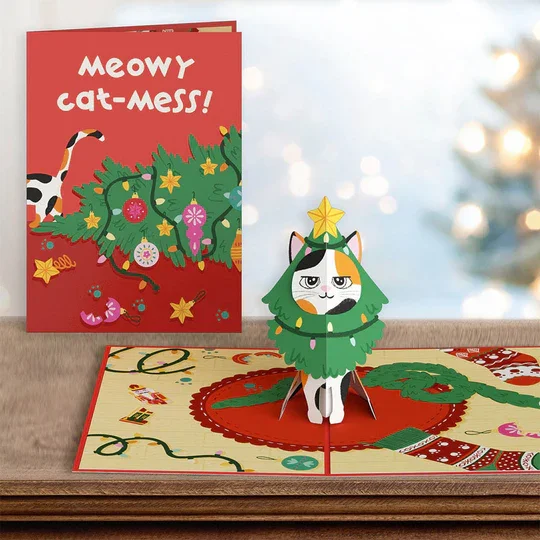
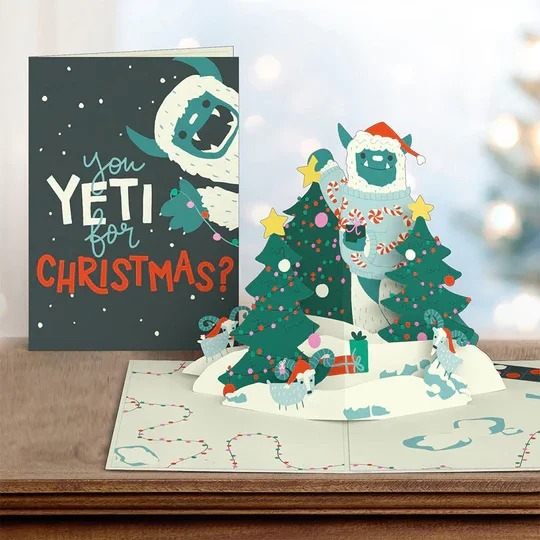

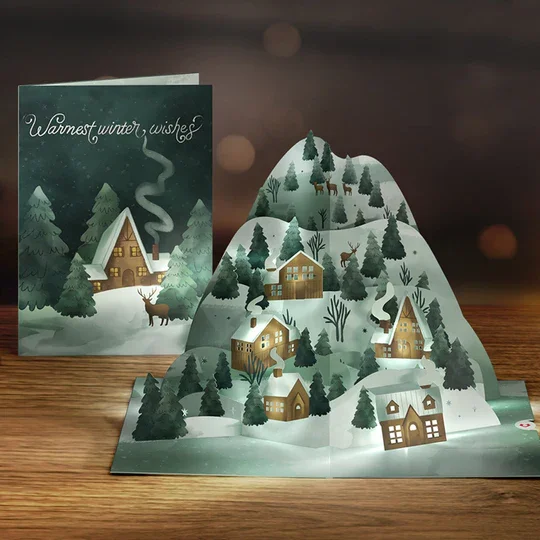

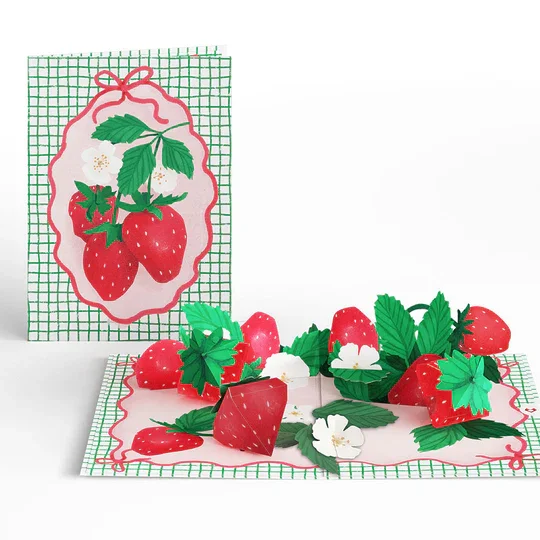
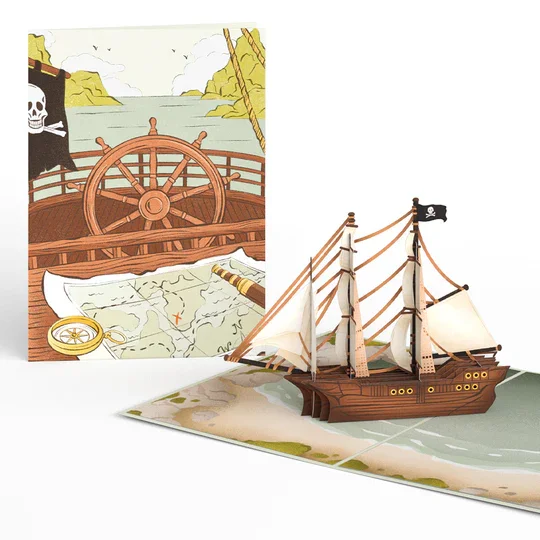
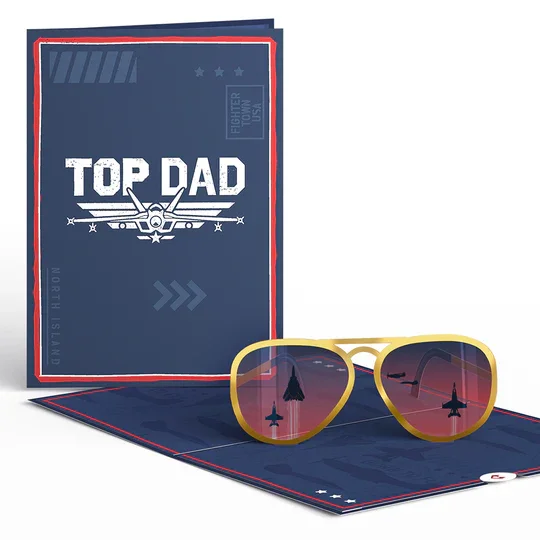

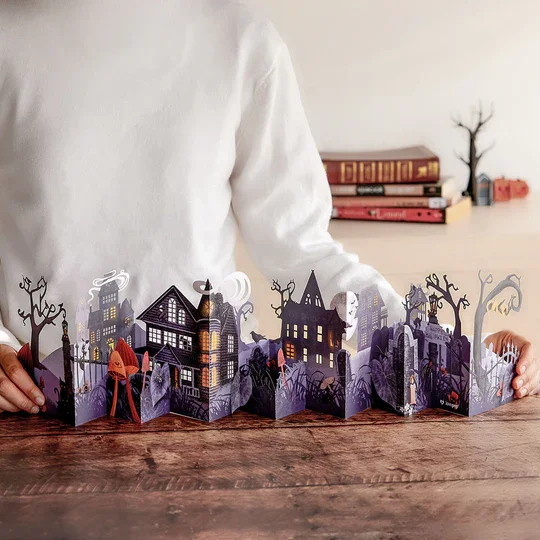
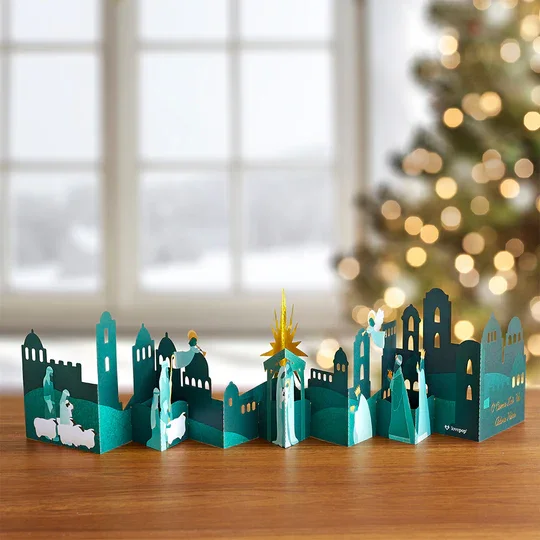
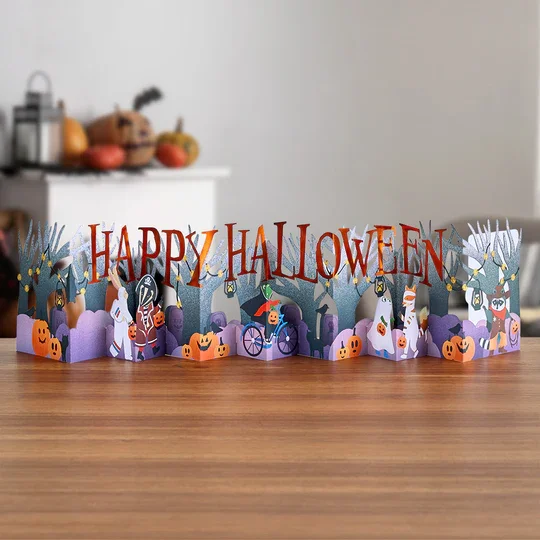
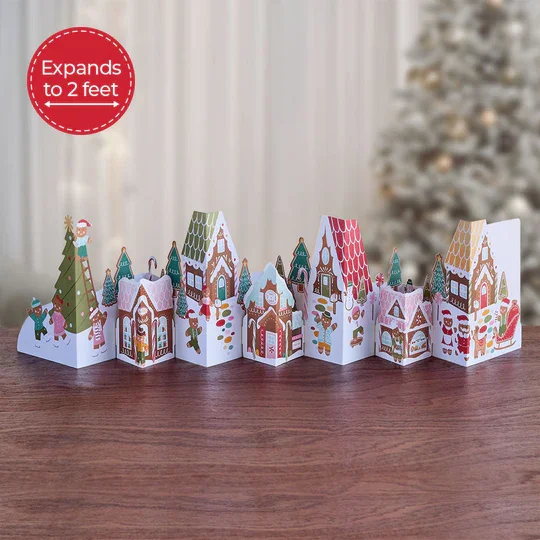
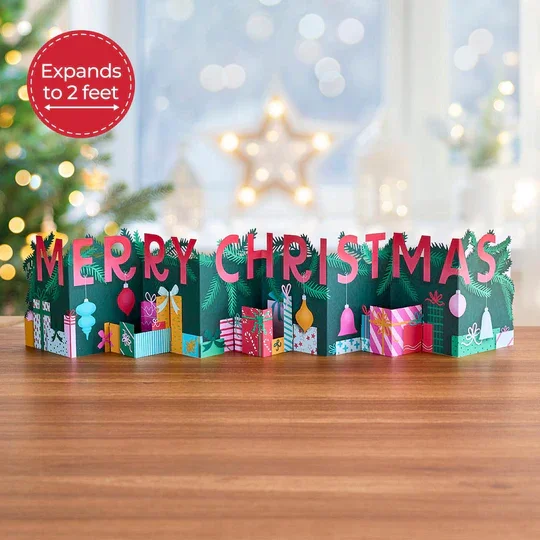
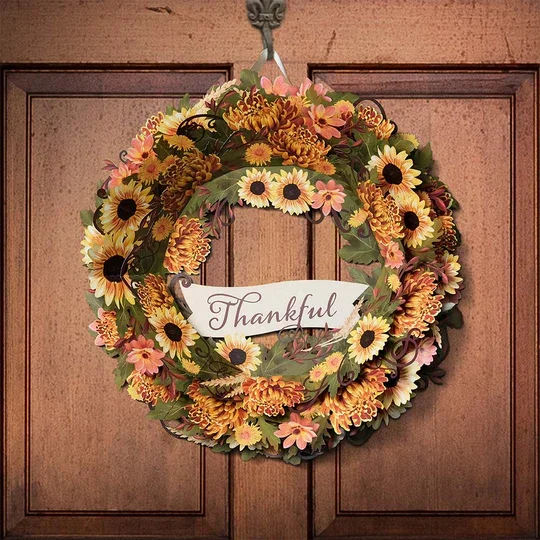
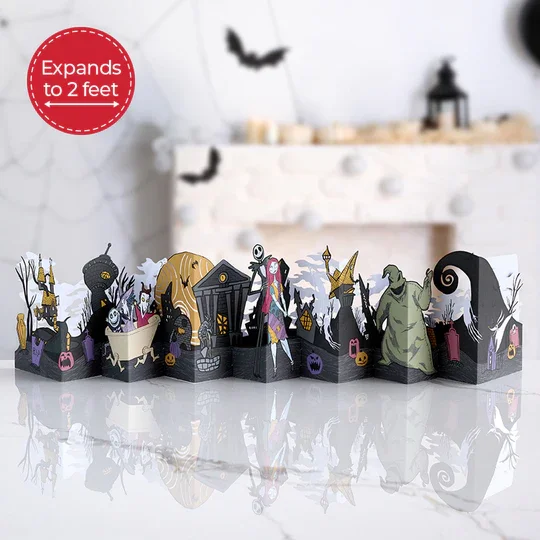
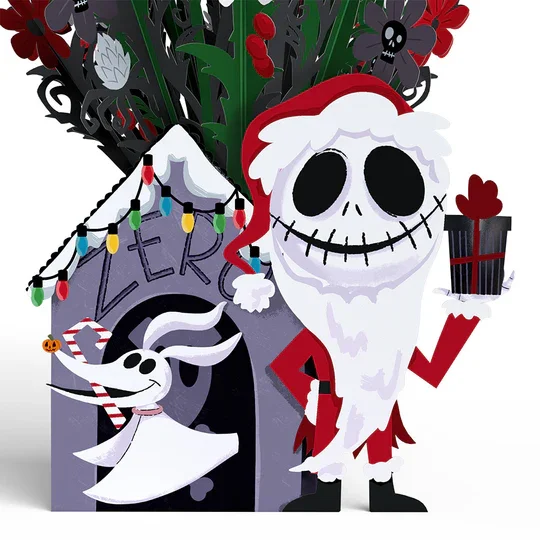

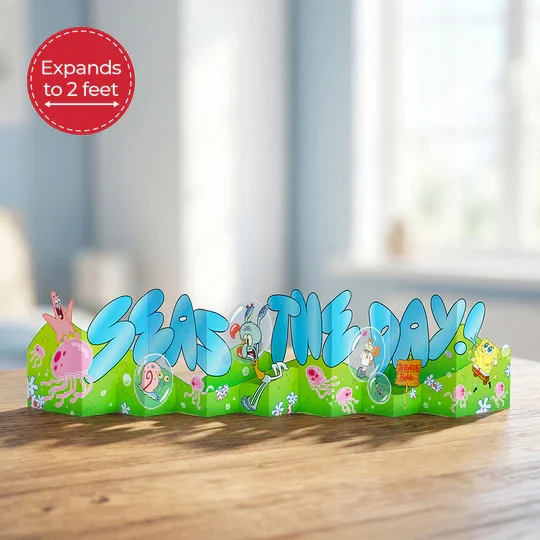
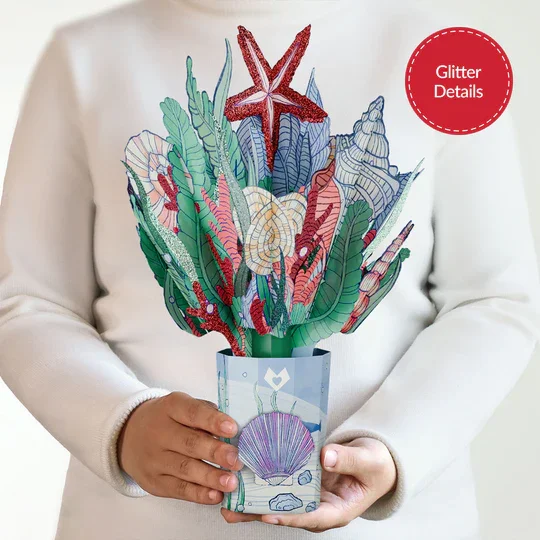
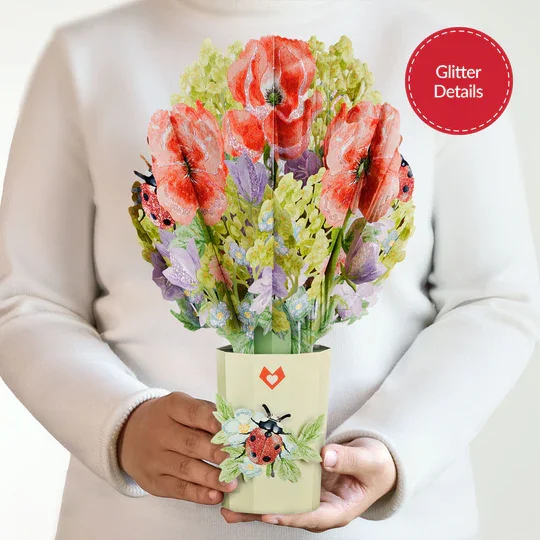
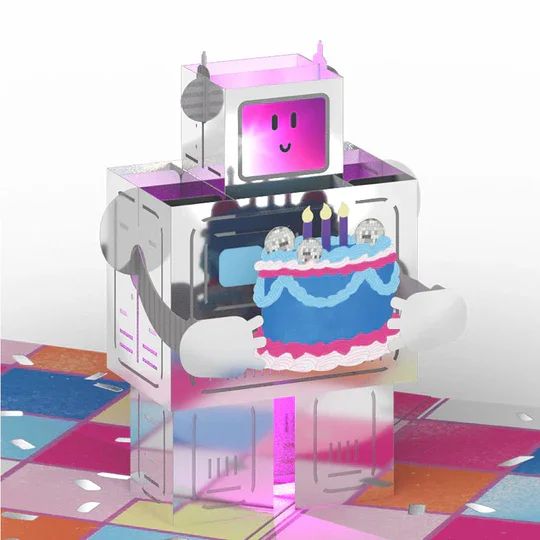
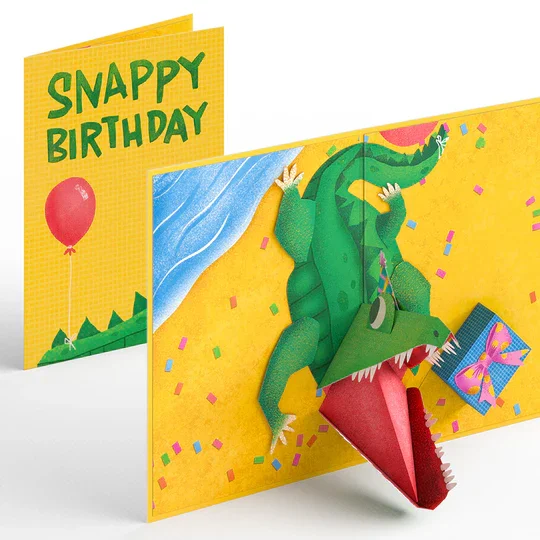
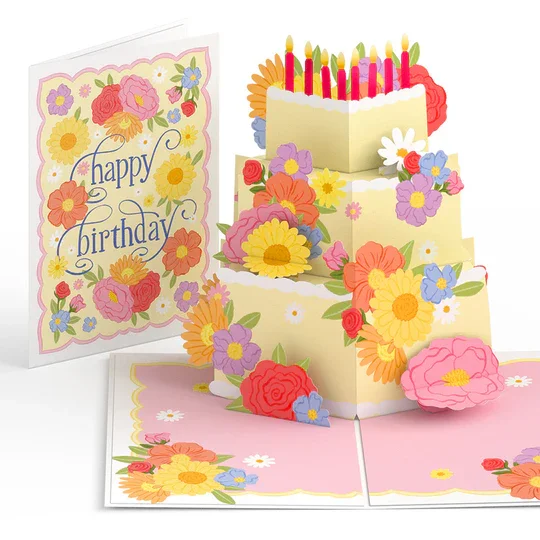
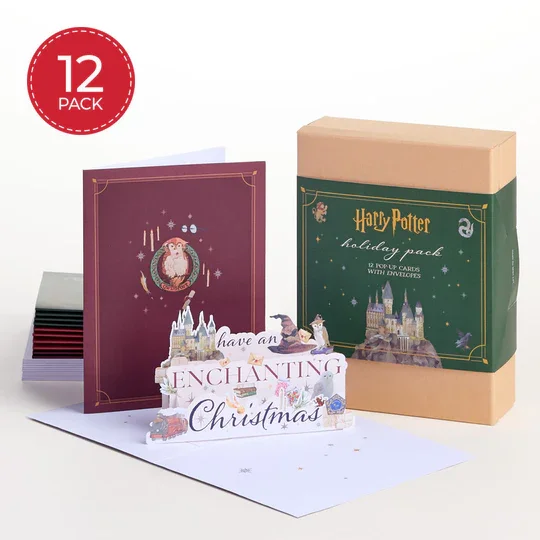
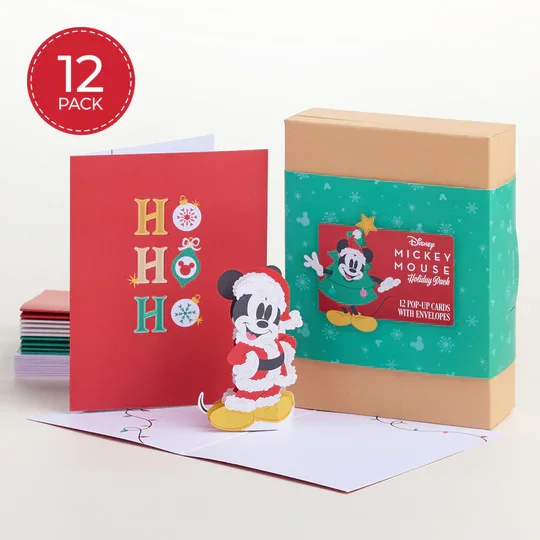
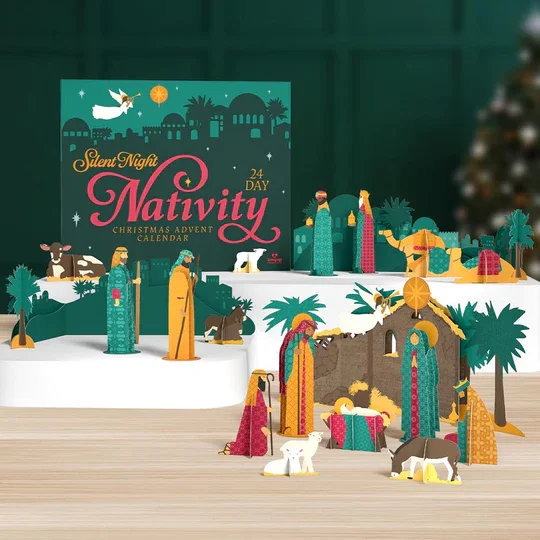
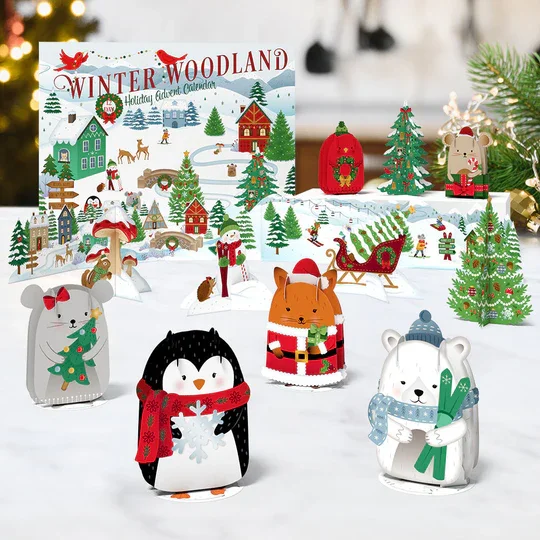
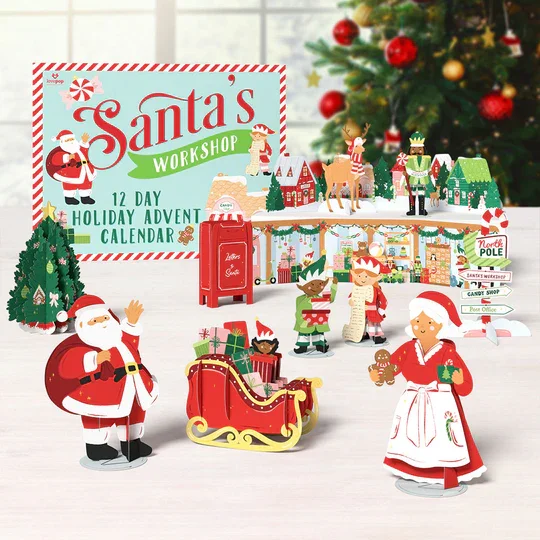

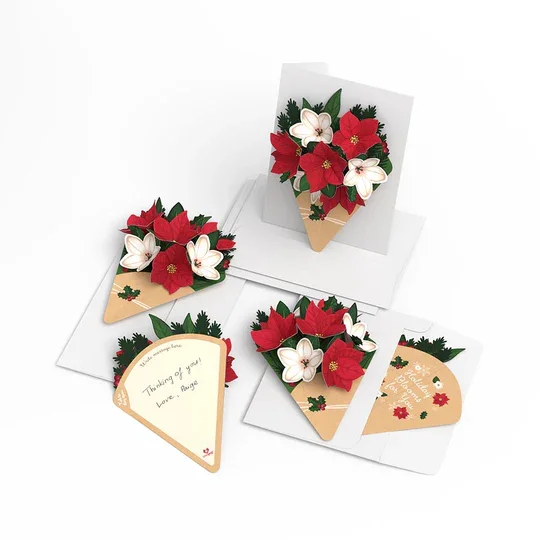
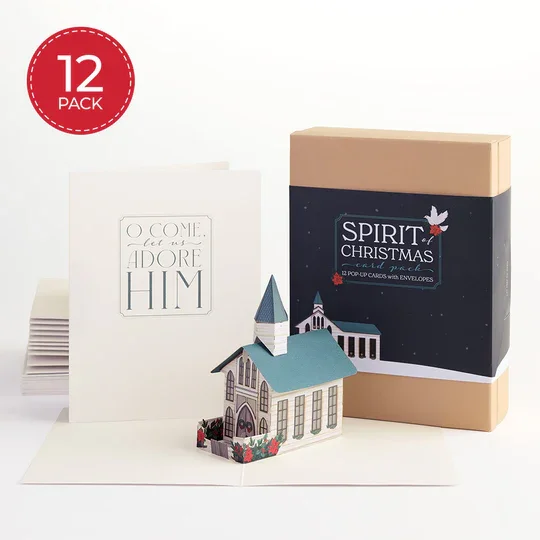

Innovation of
Movement
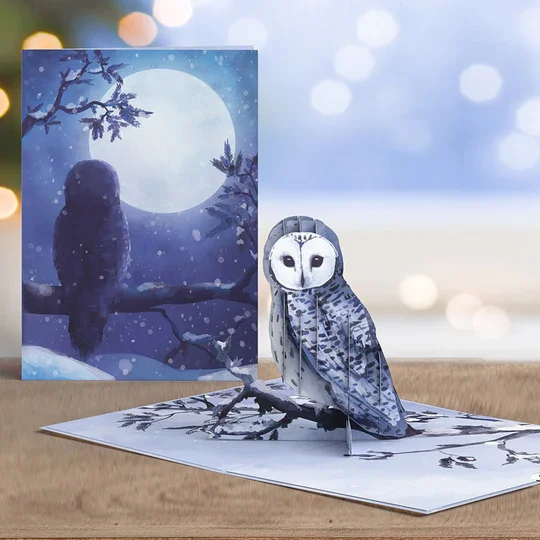
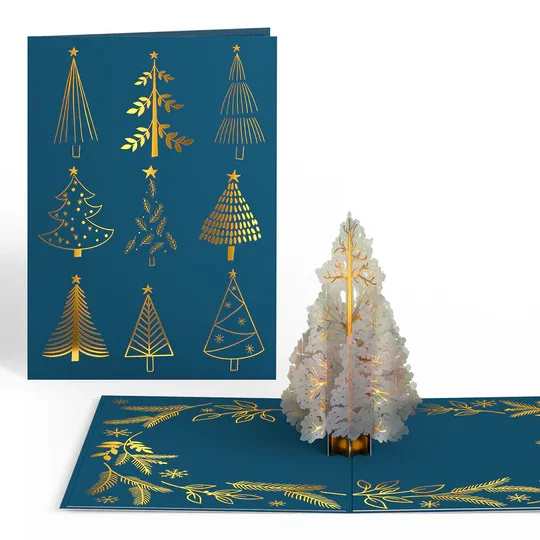
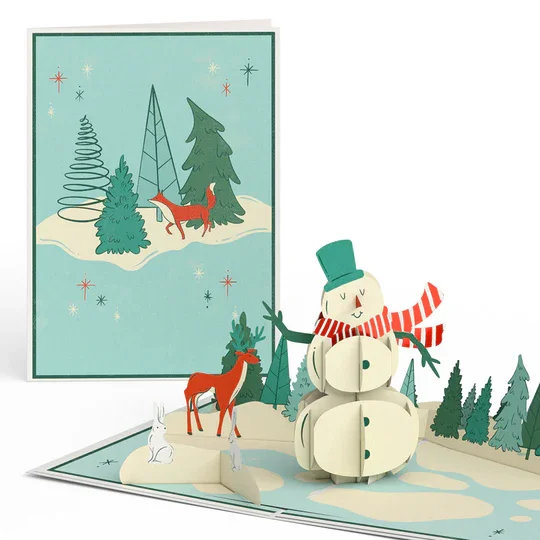
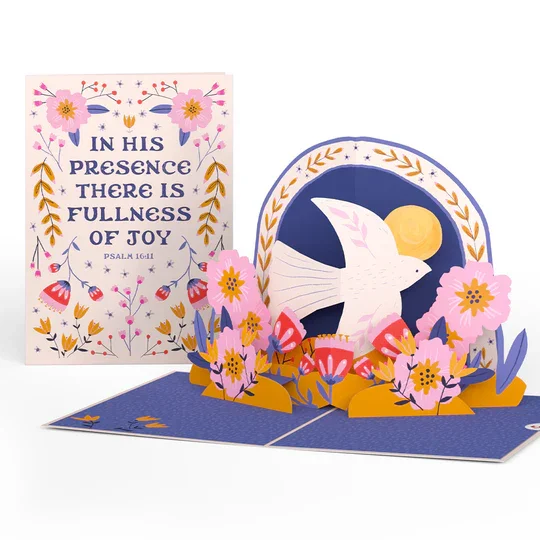
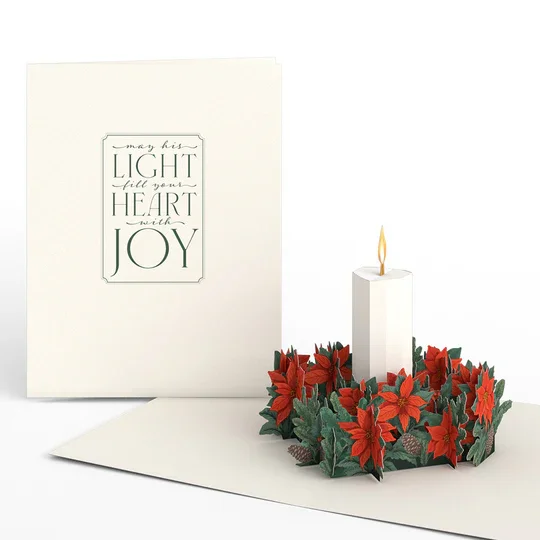
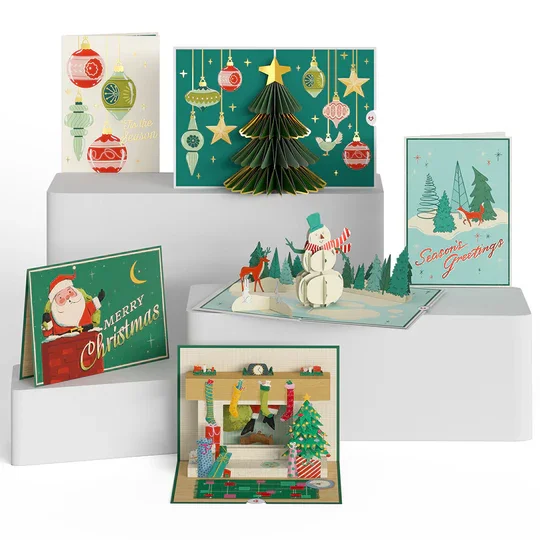
Pushing Paper Engineering Further
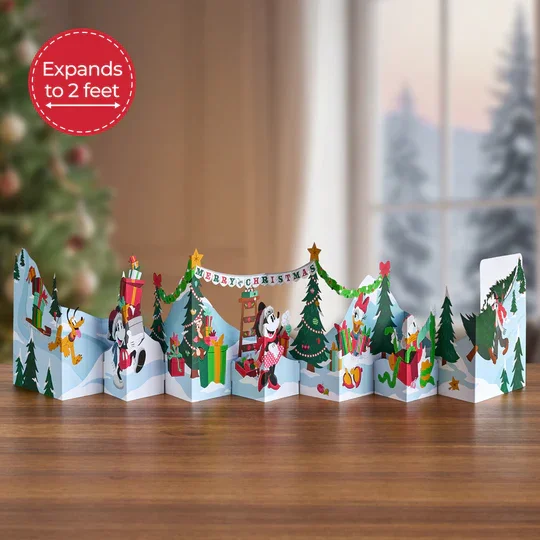
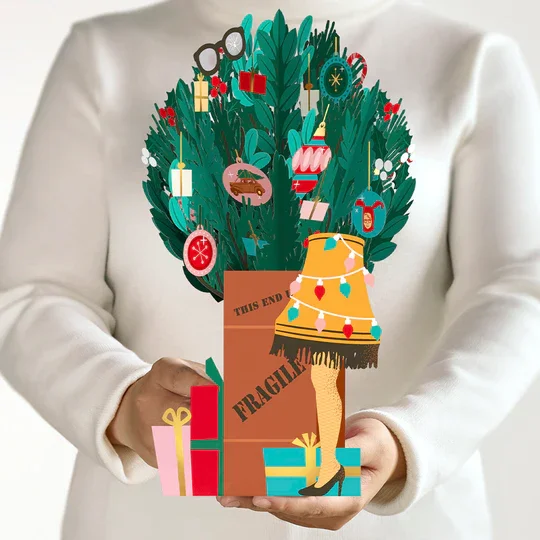
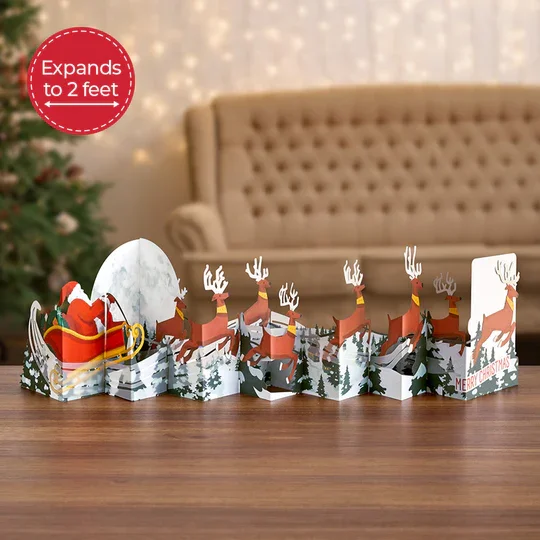
I led our engineering team on one belief: the moment a card opens should keep getting more surprising. Customer feedback said our cards felt small and static — so we pushed toward real scale and movement, making exploration a core part of how the team worked.
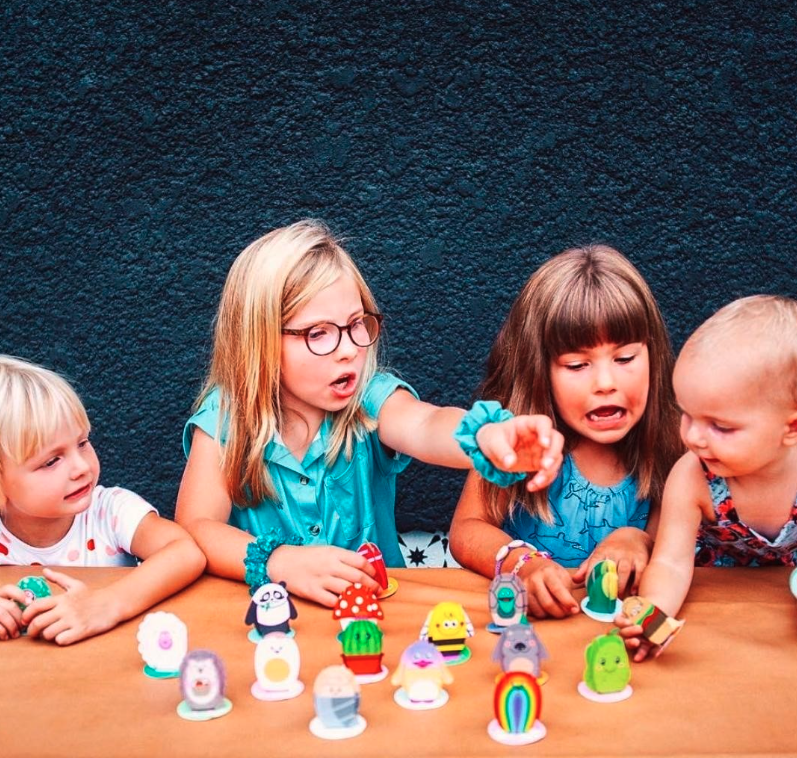
From Paper to Plush: A New Product Category
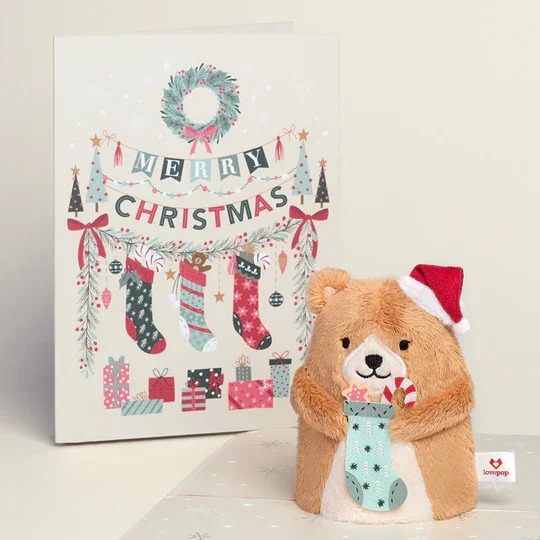
Plushpop Cards
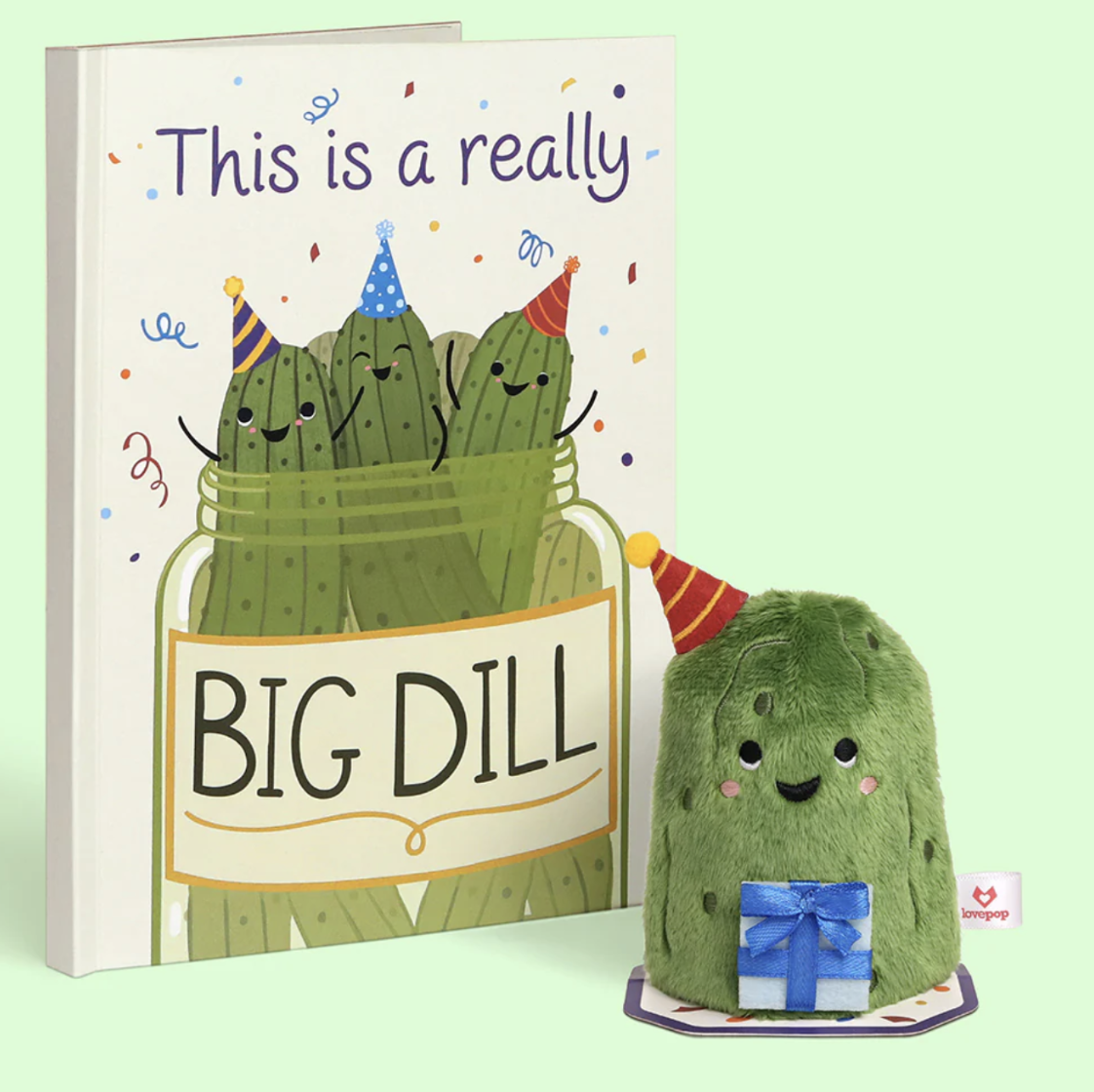
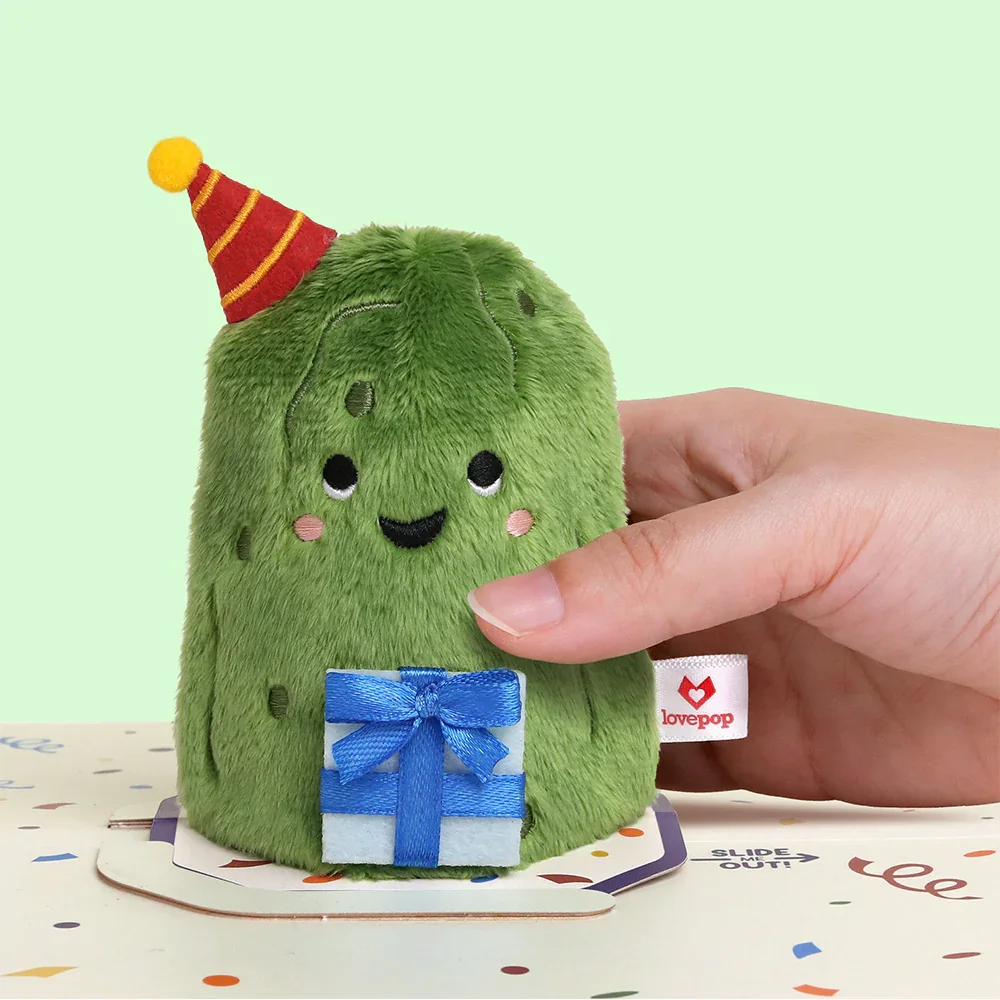
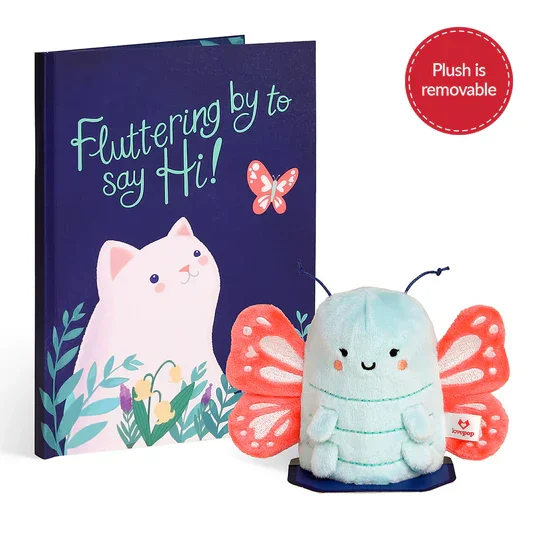
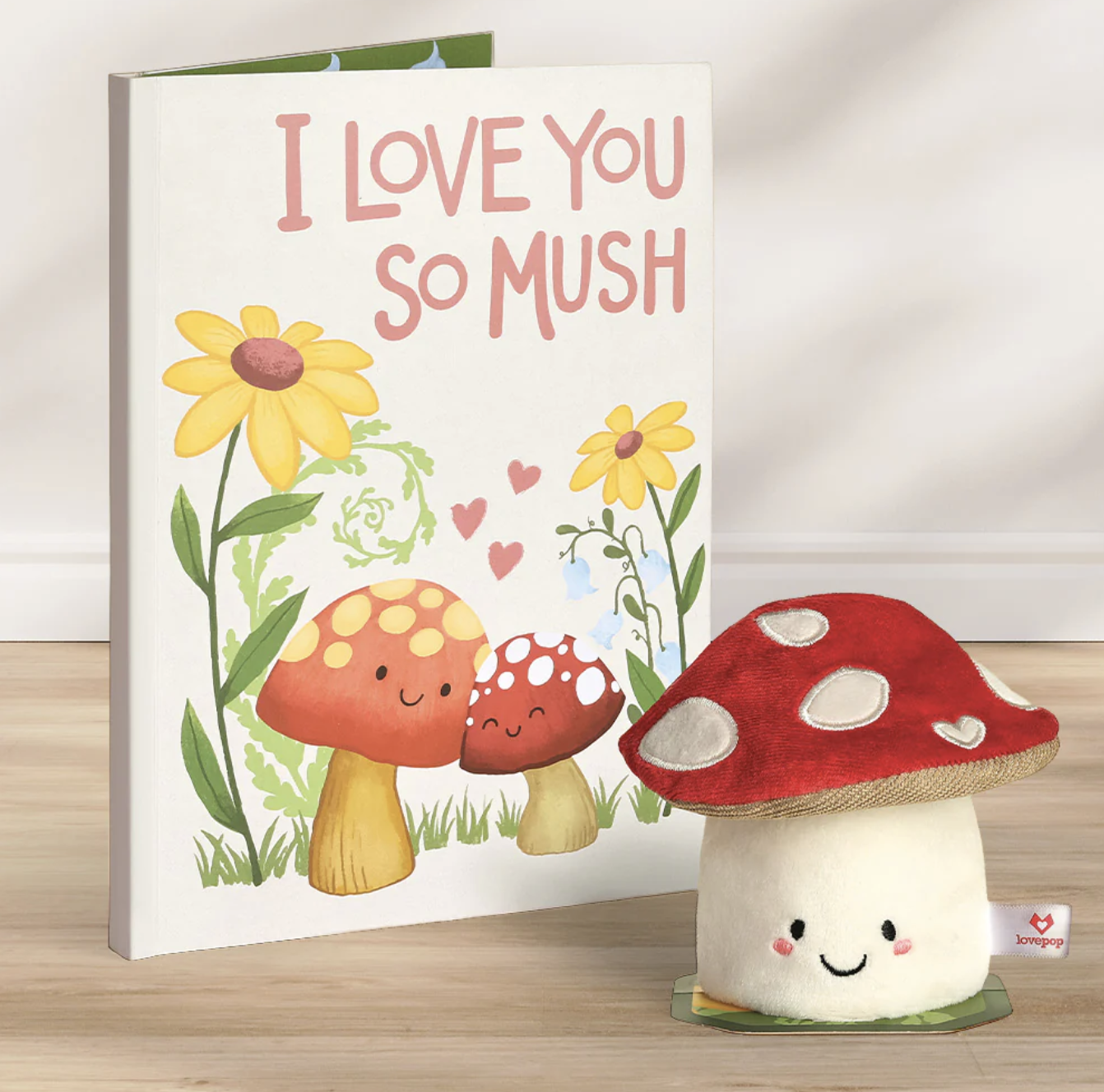
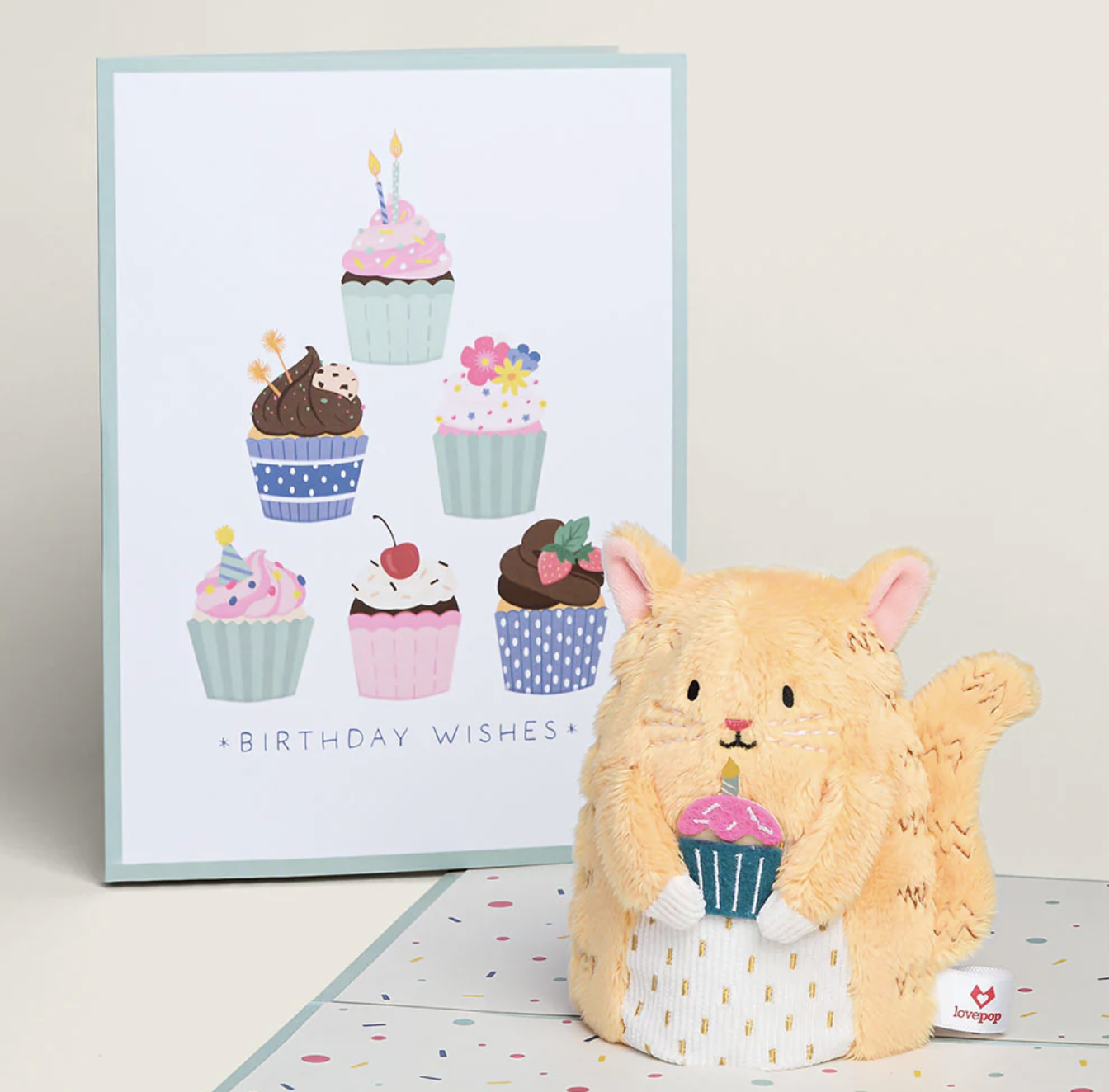
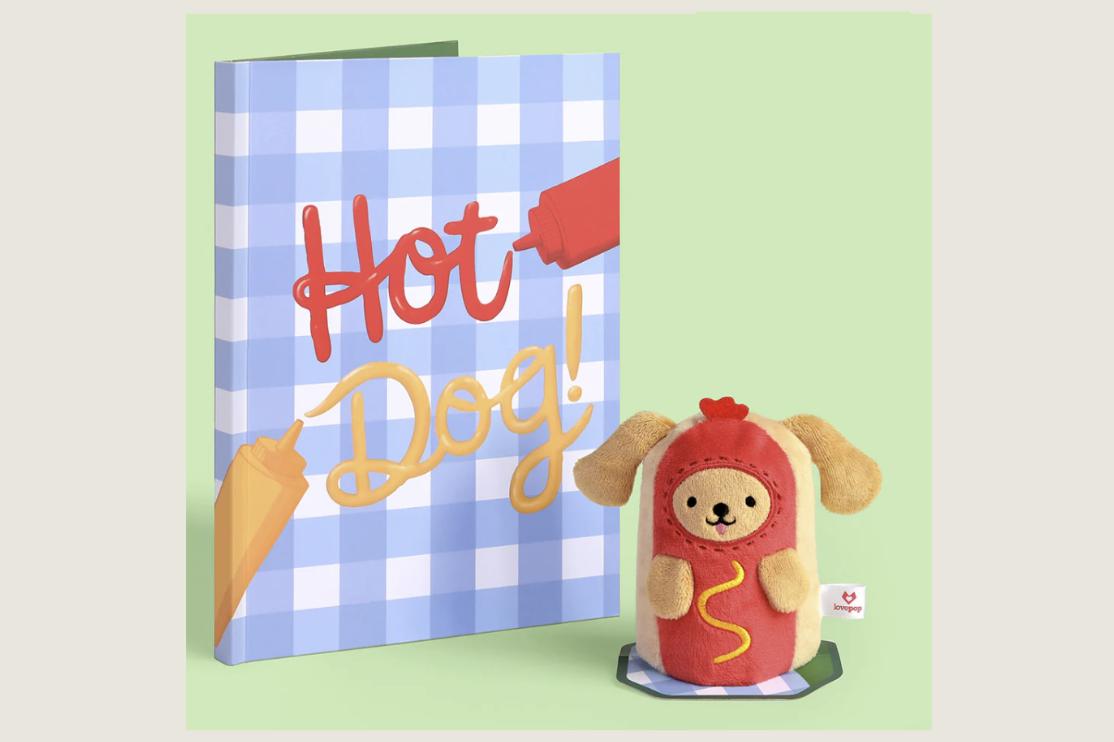
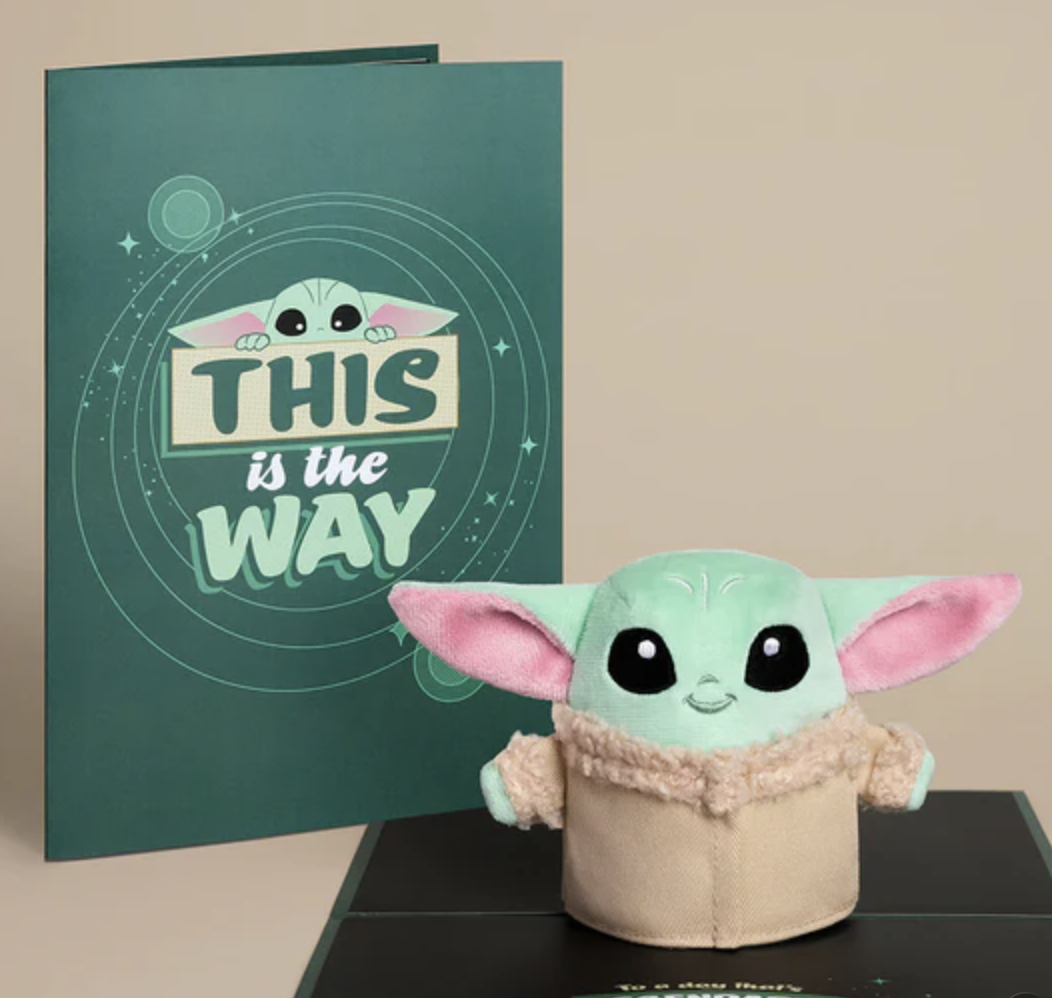
Plushpop reimagined the Lovepop card as a huggable plush character, spanning licensed IP (Grogu, Darth Vader, Mickey) and original designs. We moved production from a China vendor to our own Vietnam factory, building in-house plush capability — with licensed characters built fixed in place, non-licensed ones removable.
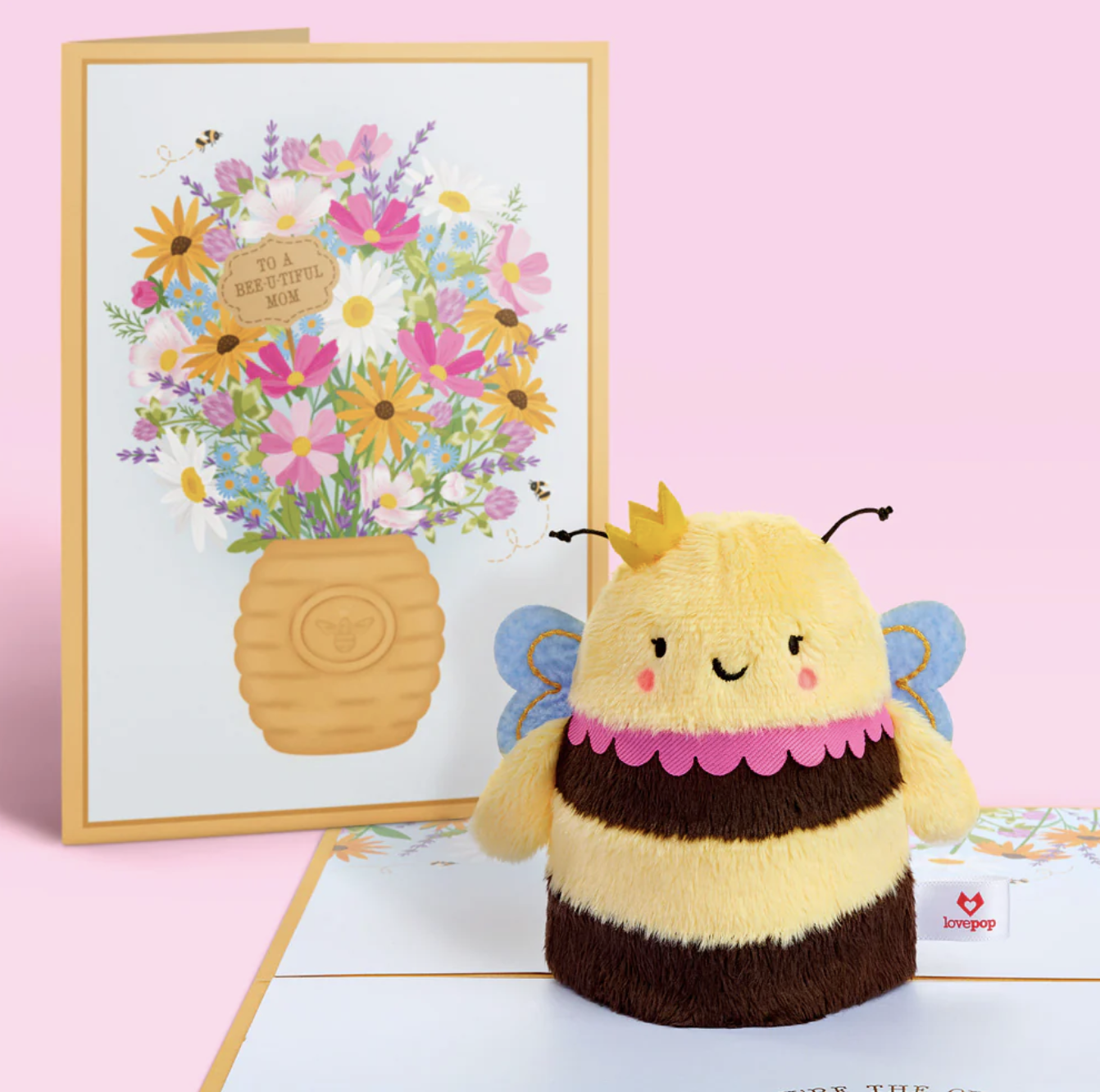
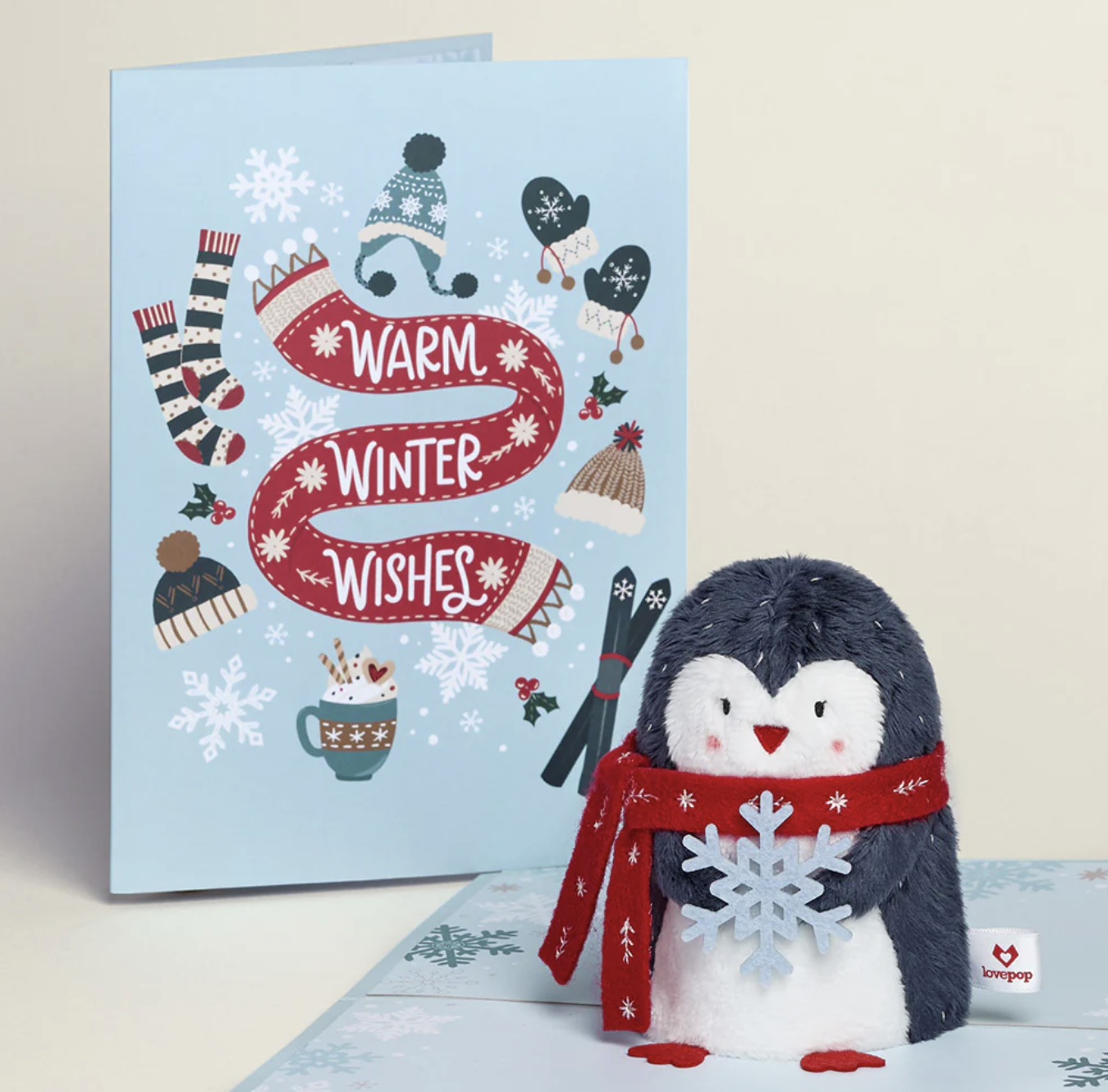
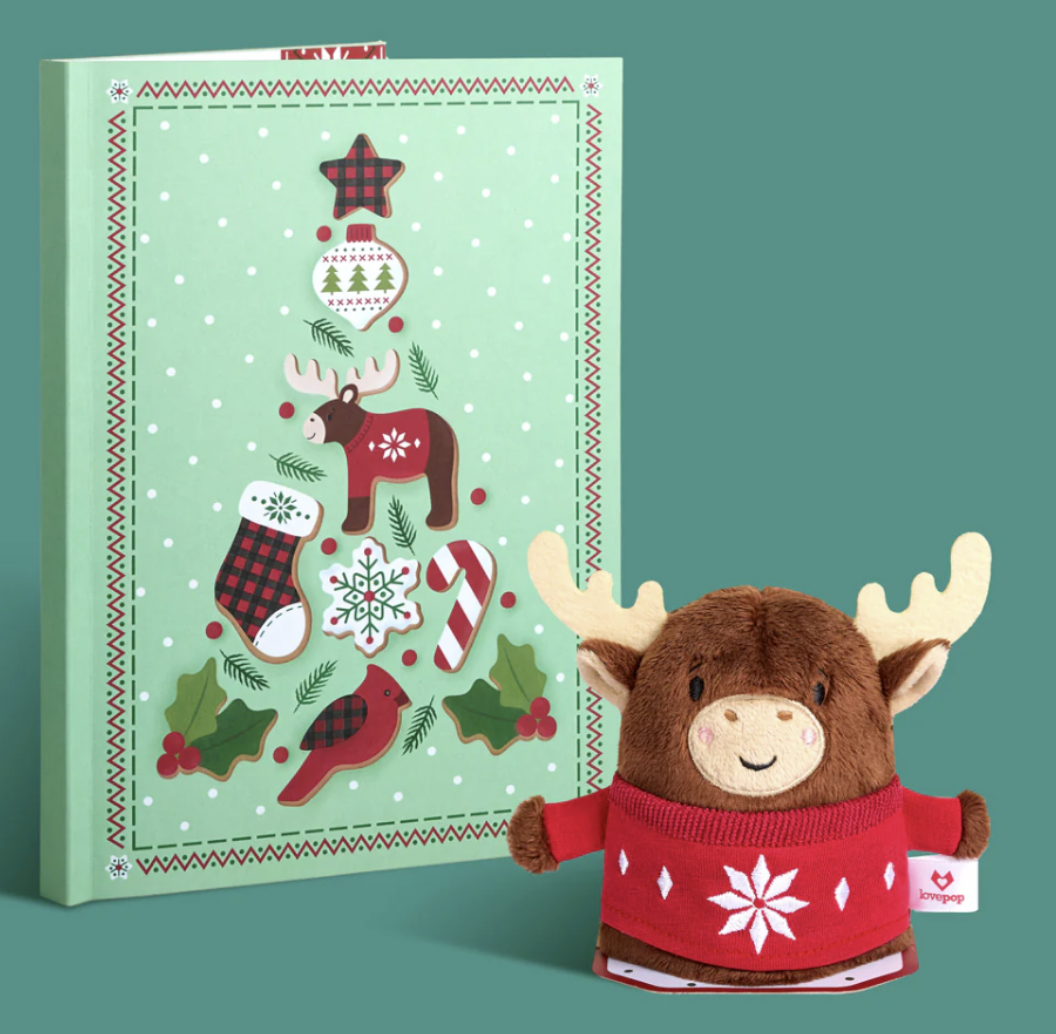
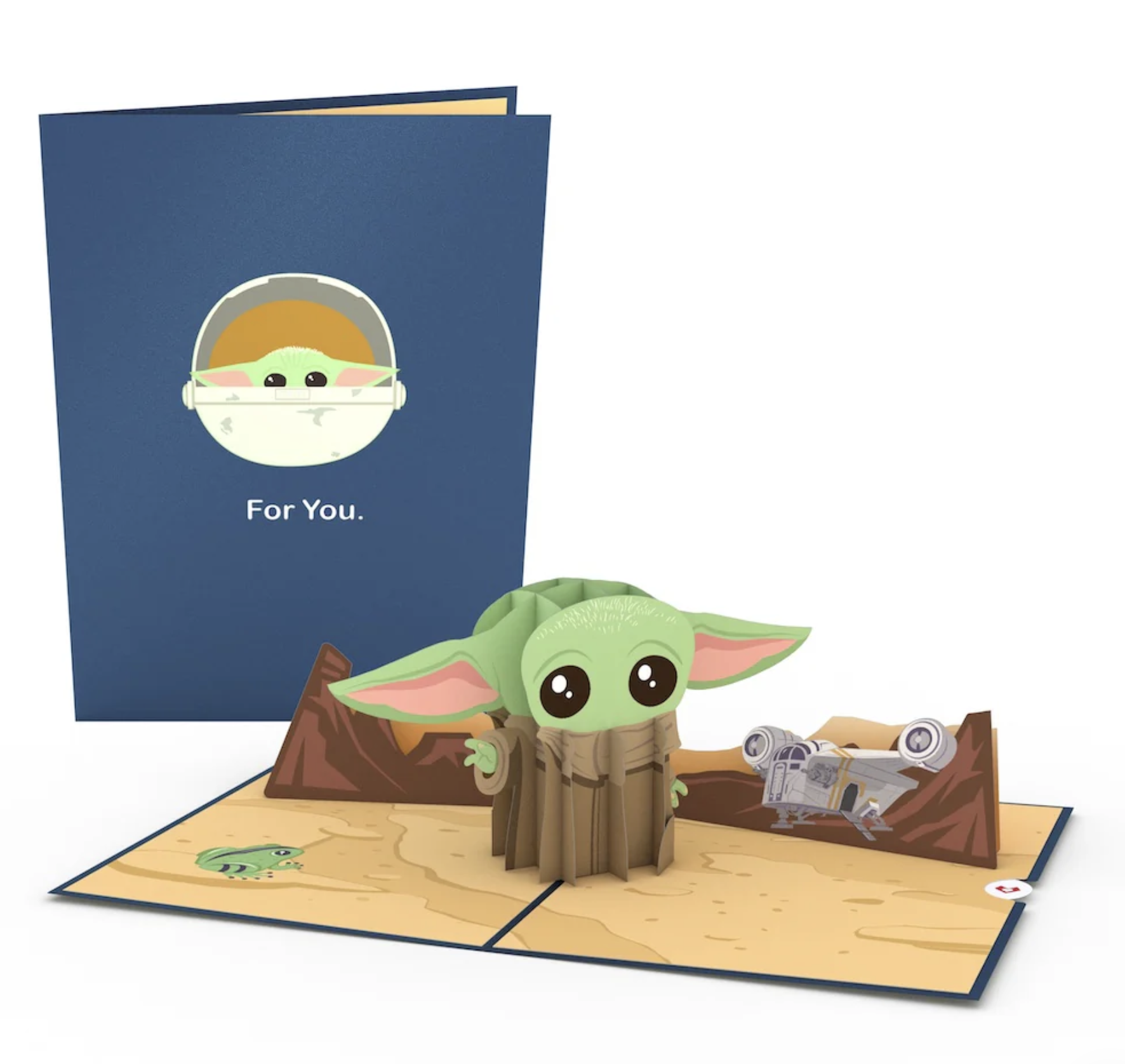
From trend to market in under 2 months
Moving at the Speed of Culture · Lovepop · February 2020
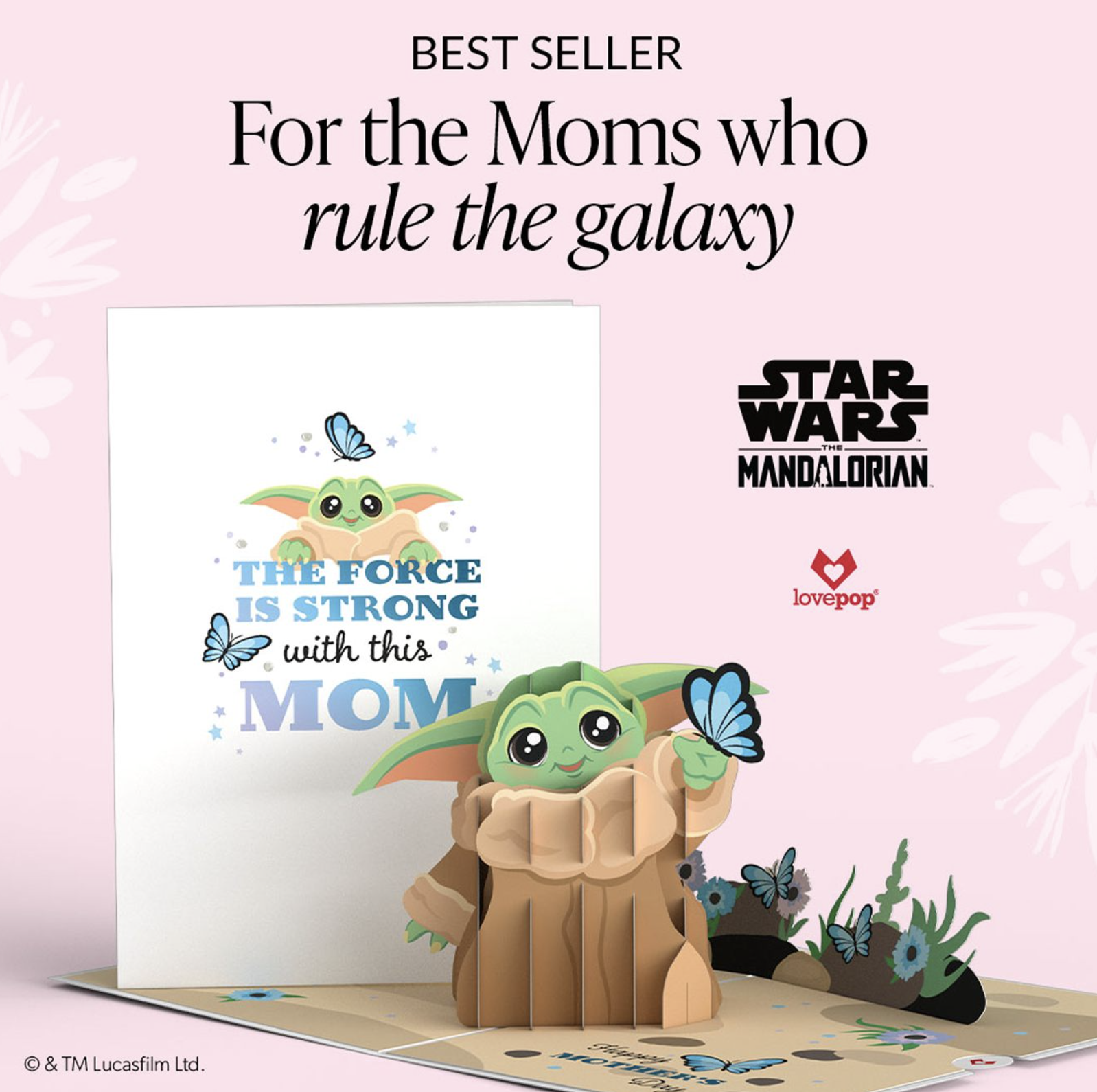
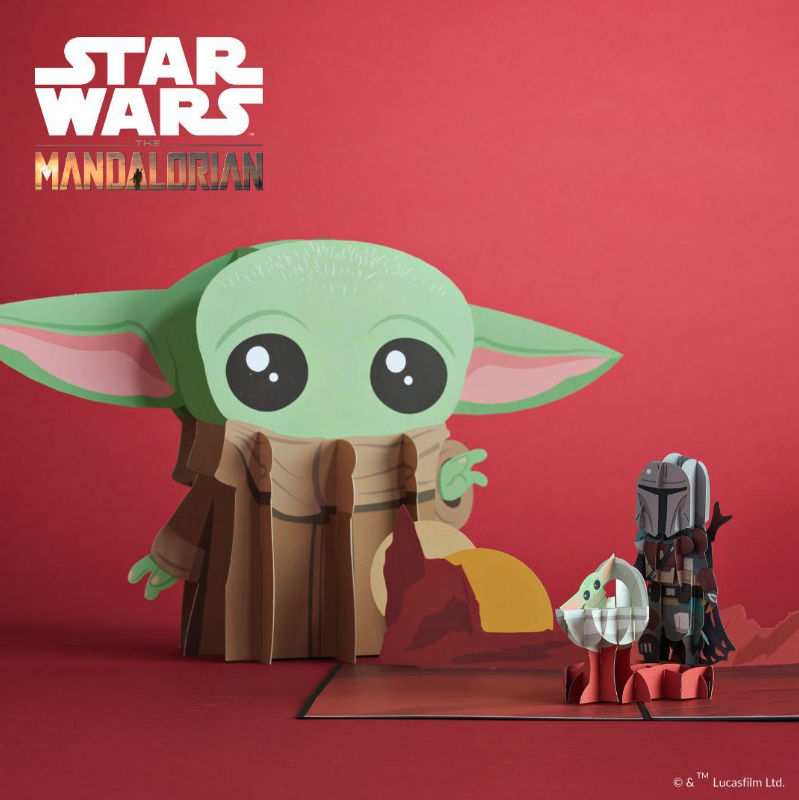
When "Baby Yoda" became an instant phenomenon, there was nothing to buy — no merchandise existed at launch. We waited to confirm it wasn't a passing moment, then moved fast: from green light to shelf at Disney Springs in under two months, the 4th company globally to market. That speed and judgment gave Lovepop outsized visibility for our whole collection.
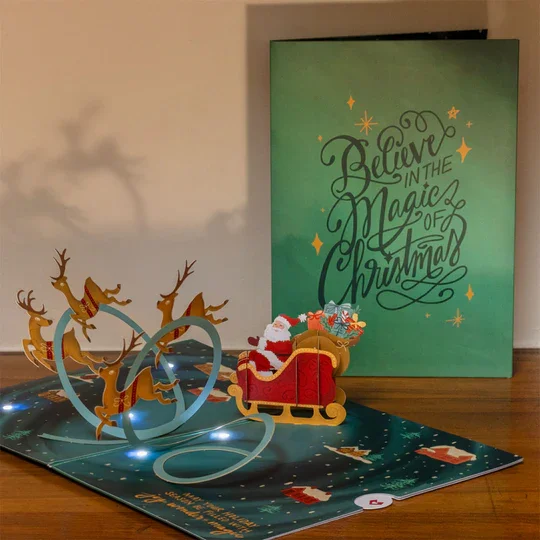
Light & Sound Cards and Bouquets
Building a Top-Selling Innovation
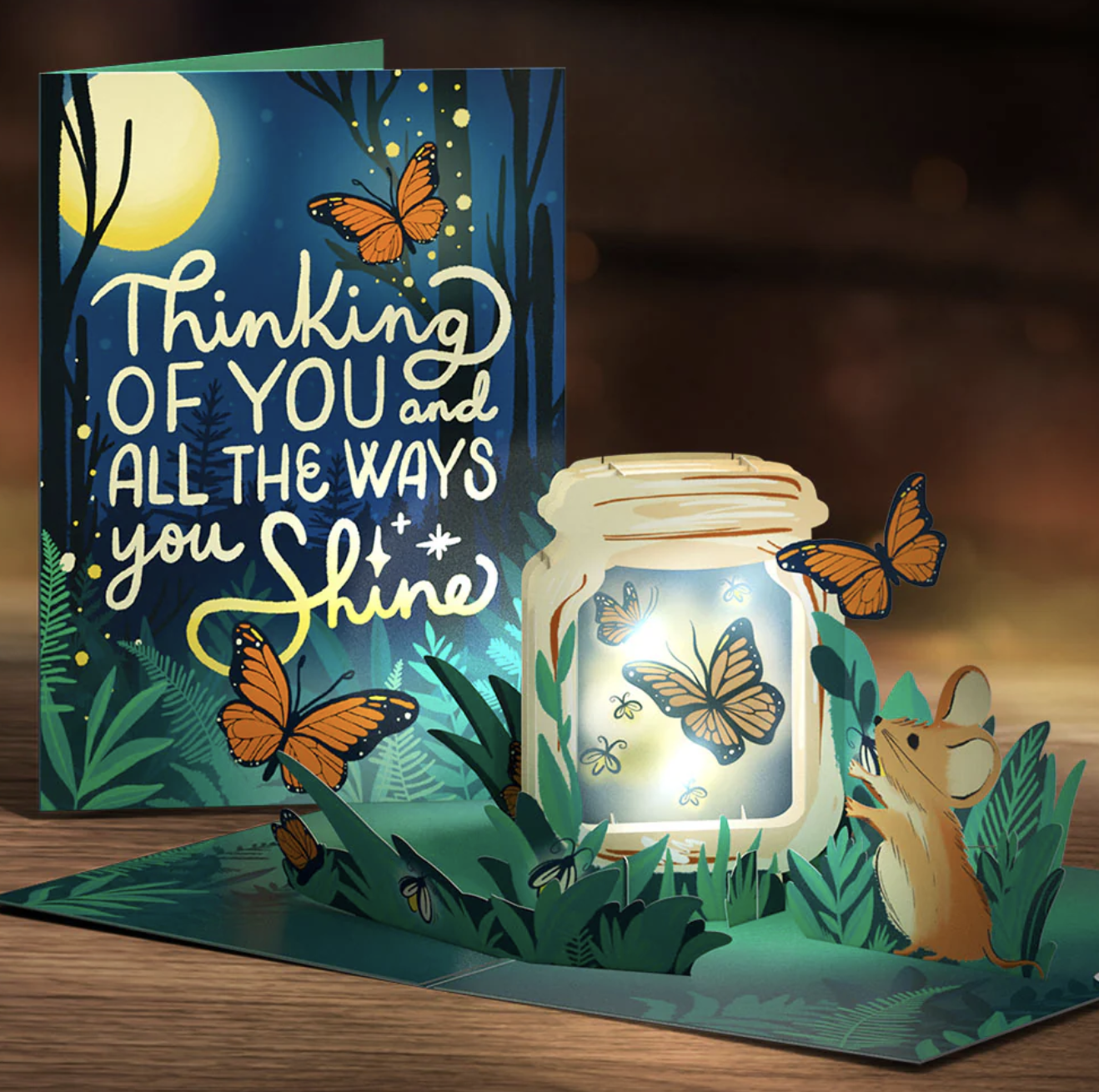
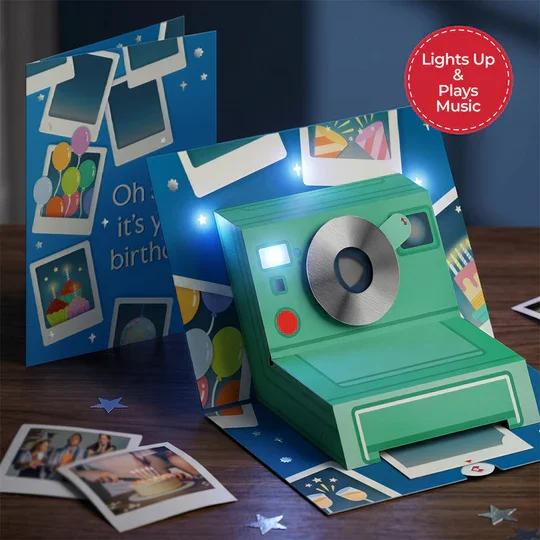
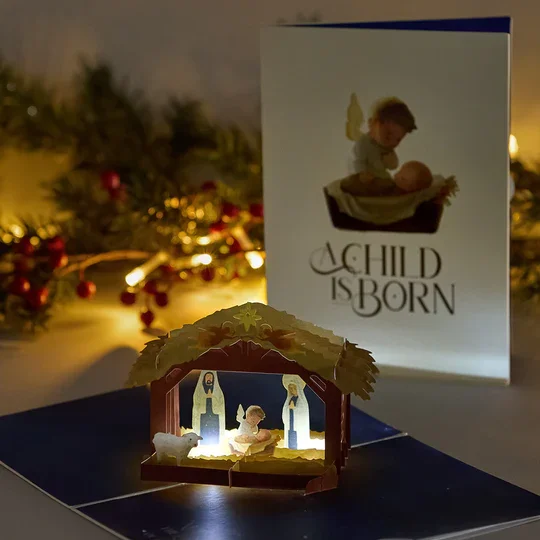
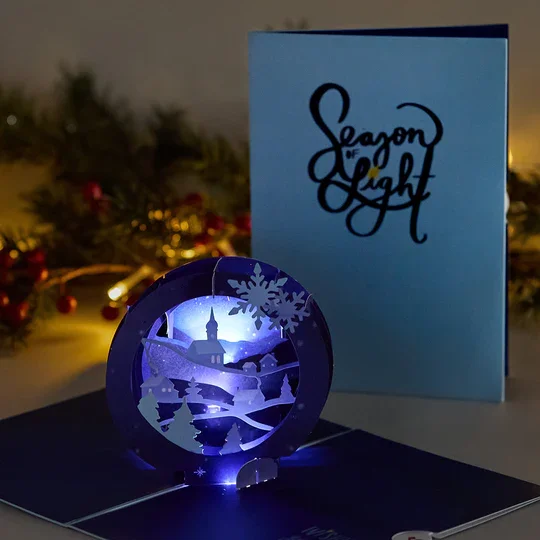
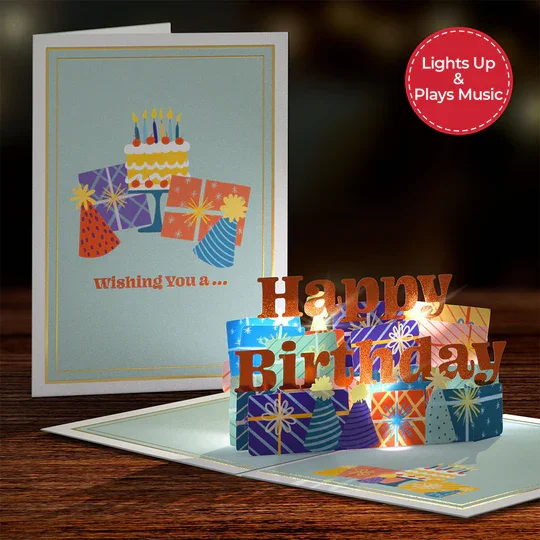
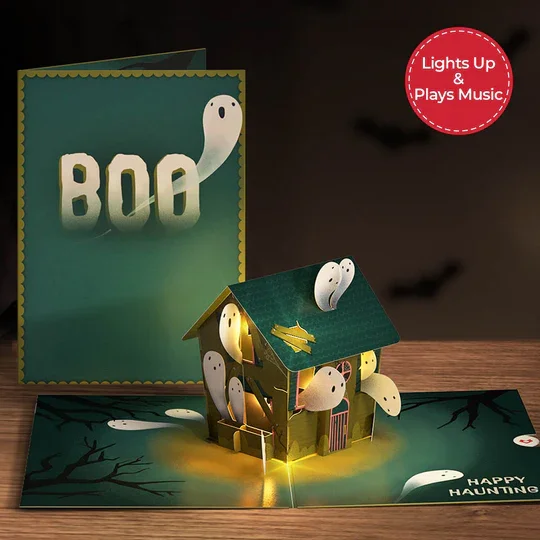
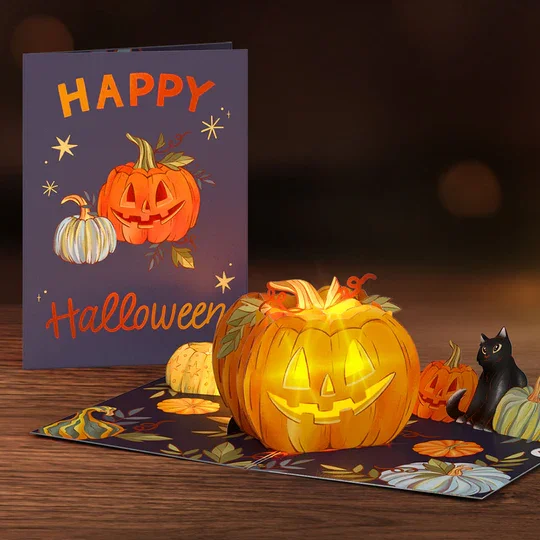
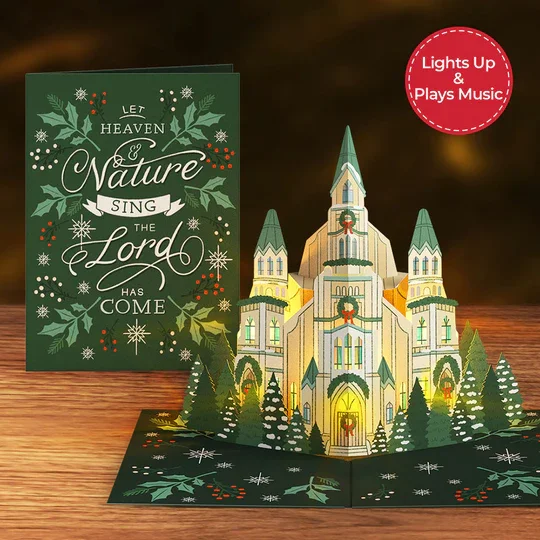
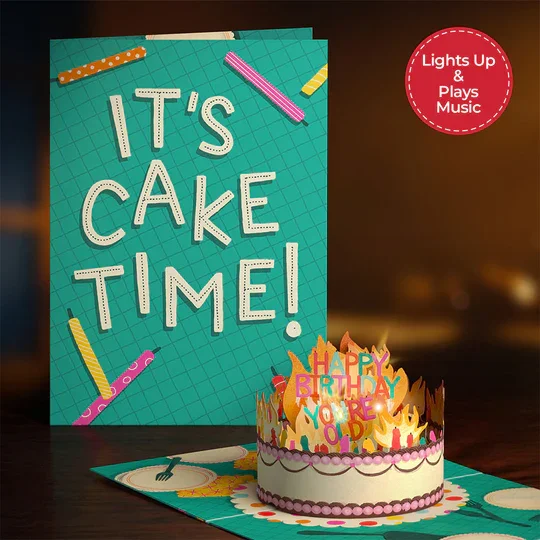
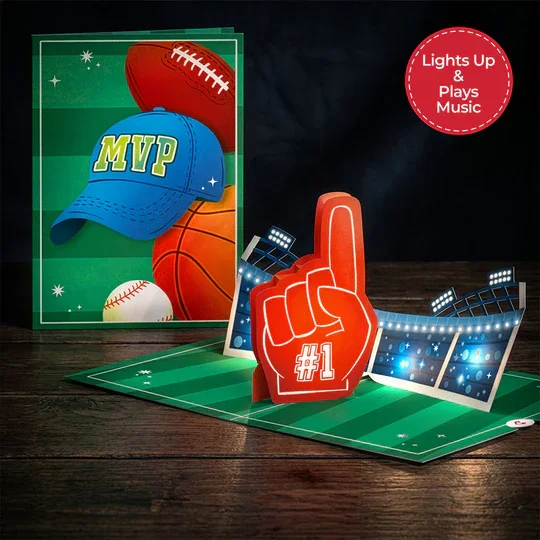
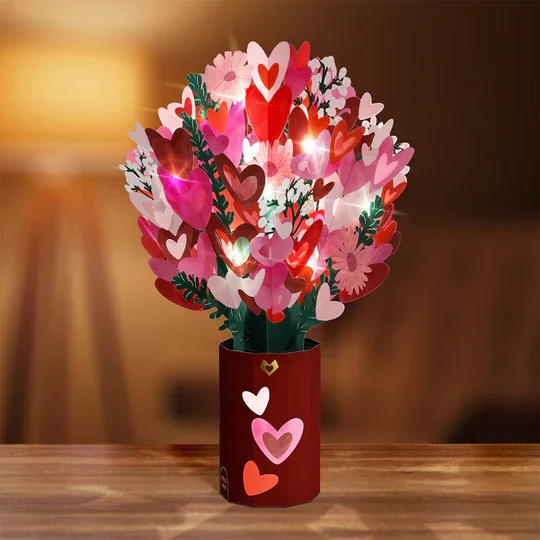
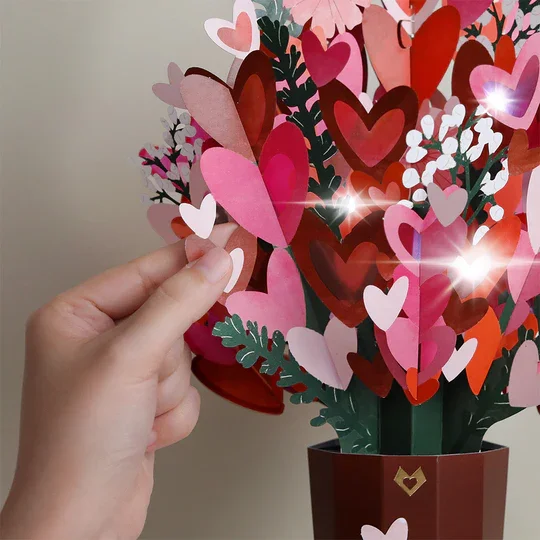
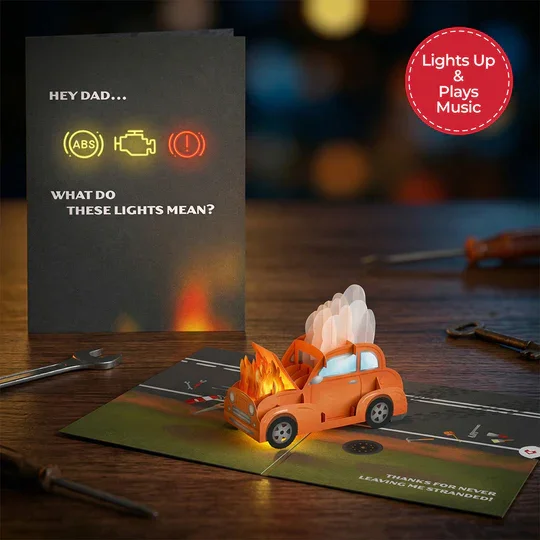
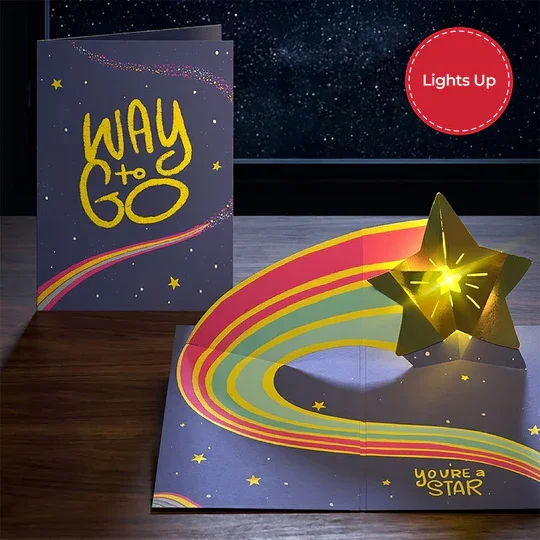
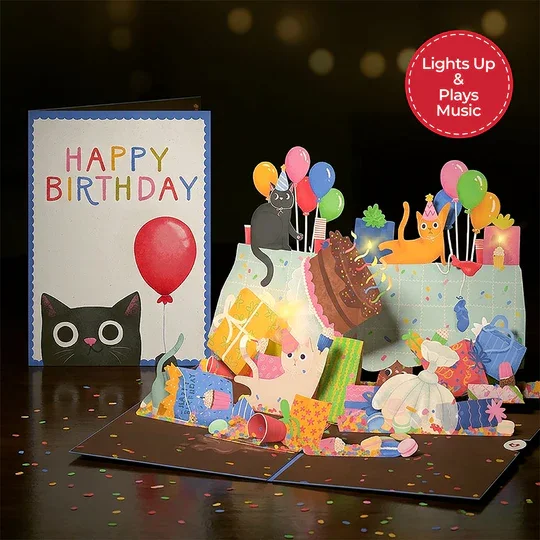
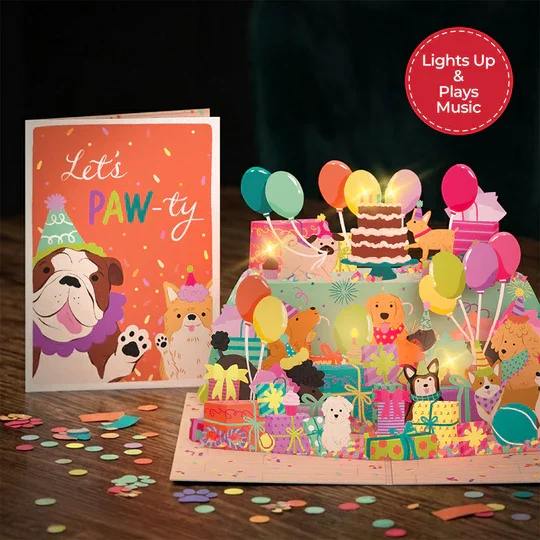
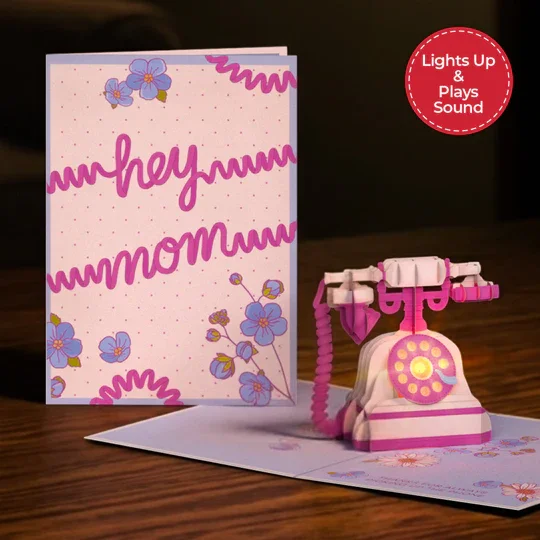
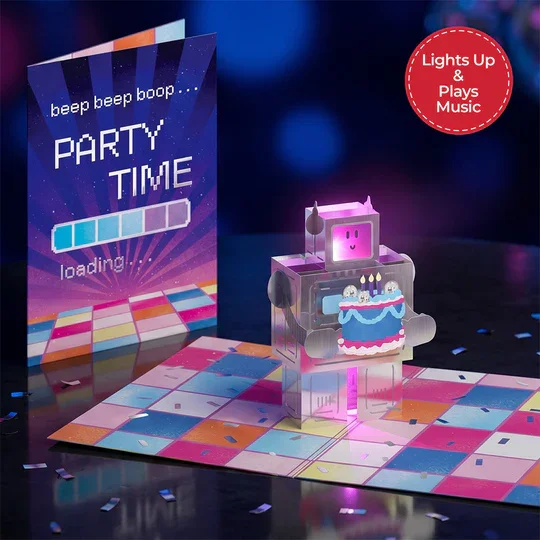
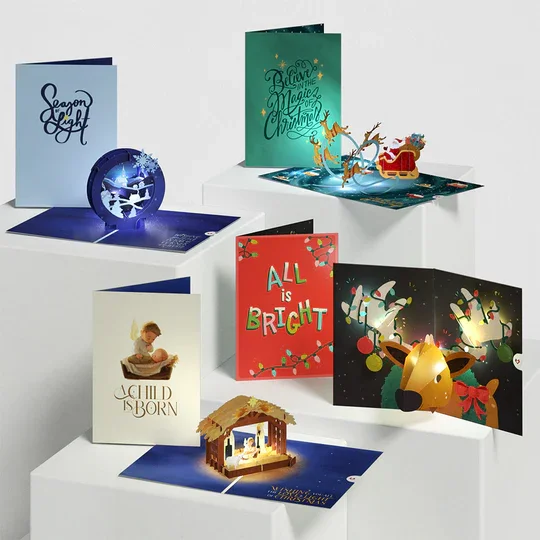
We added embedded lights and sound chips to compete more aggressively — it became one of Lovepop's top-selling categories overnight. Scaling meant solving real challenges fast: in-house chip development, multi-song programming, and margin-conscious sourcing.
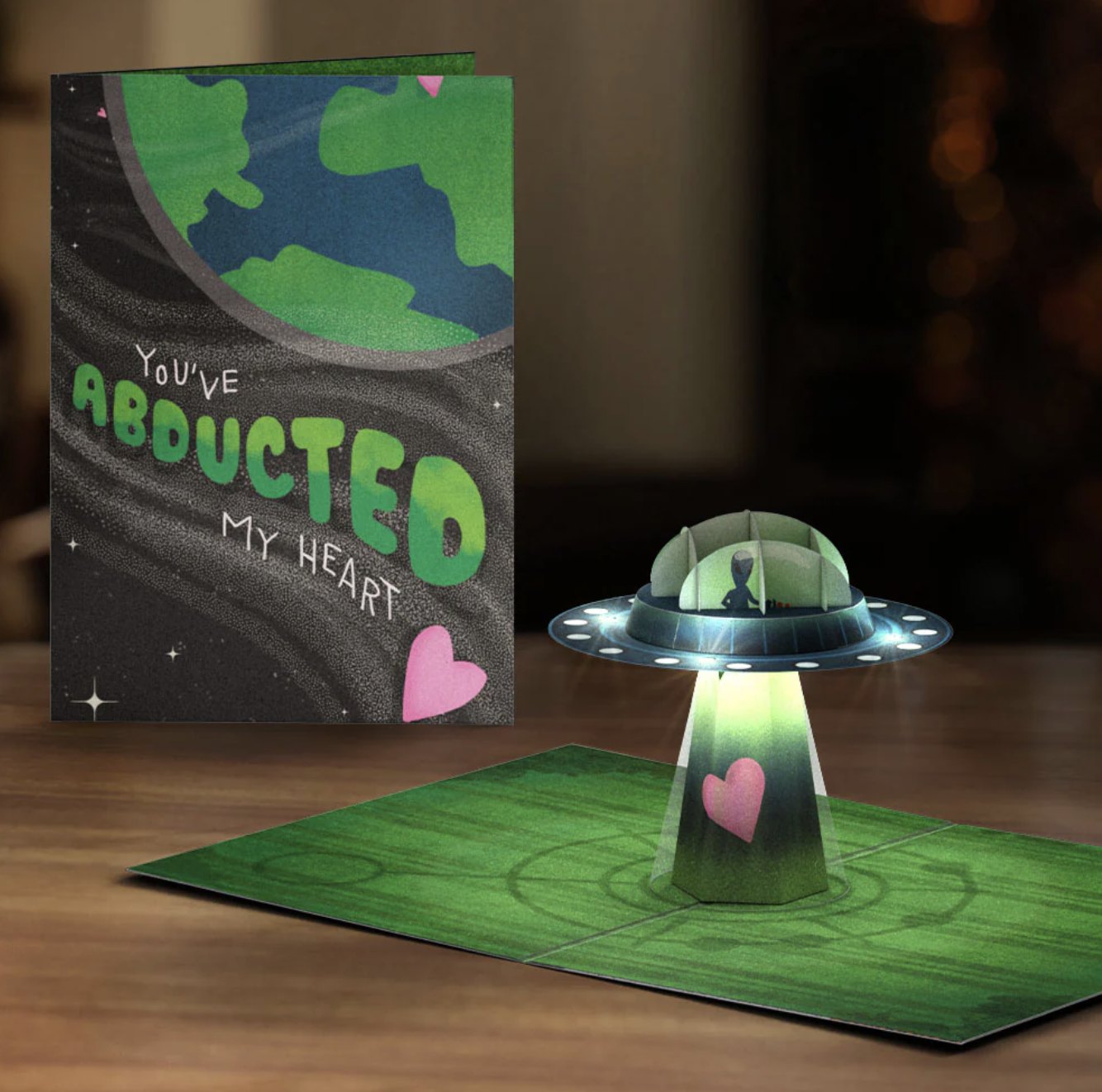
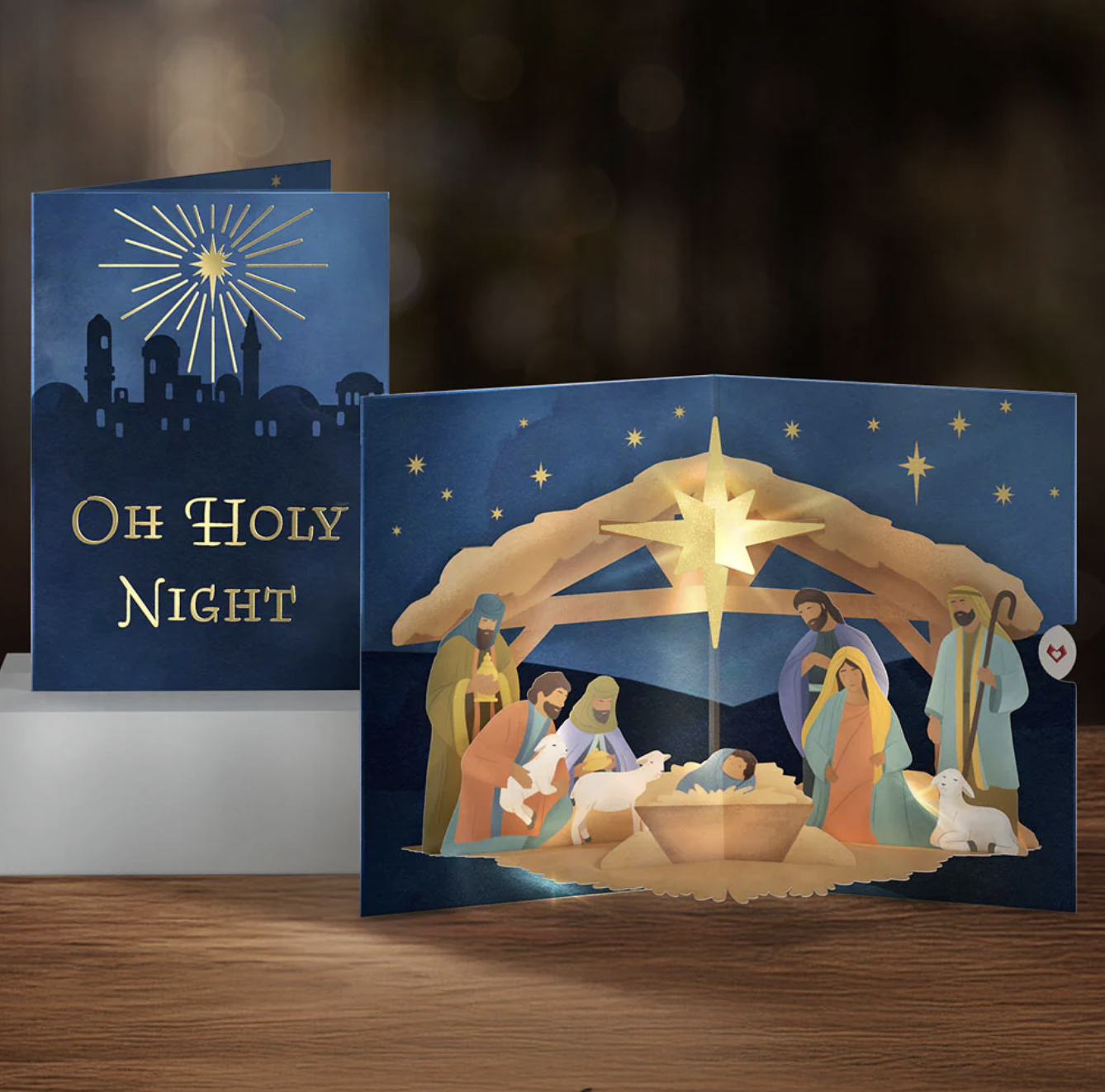
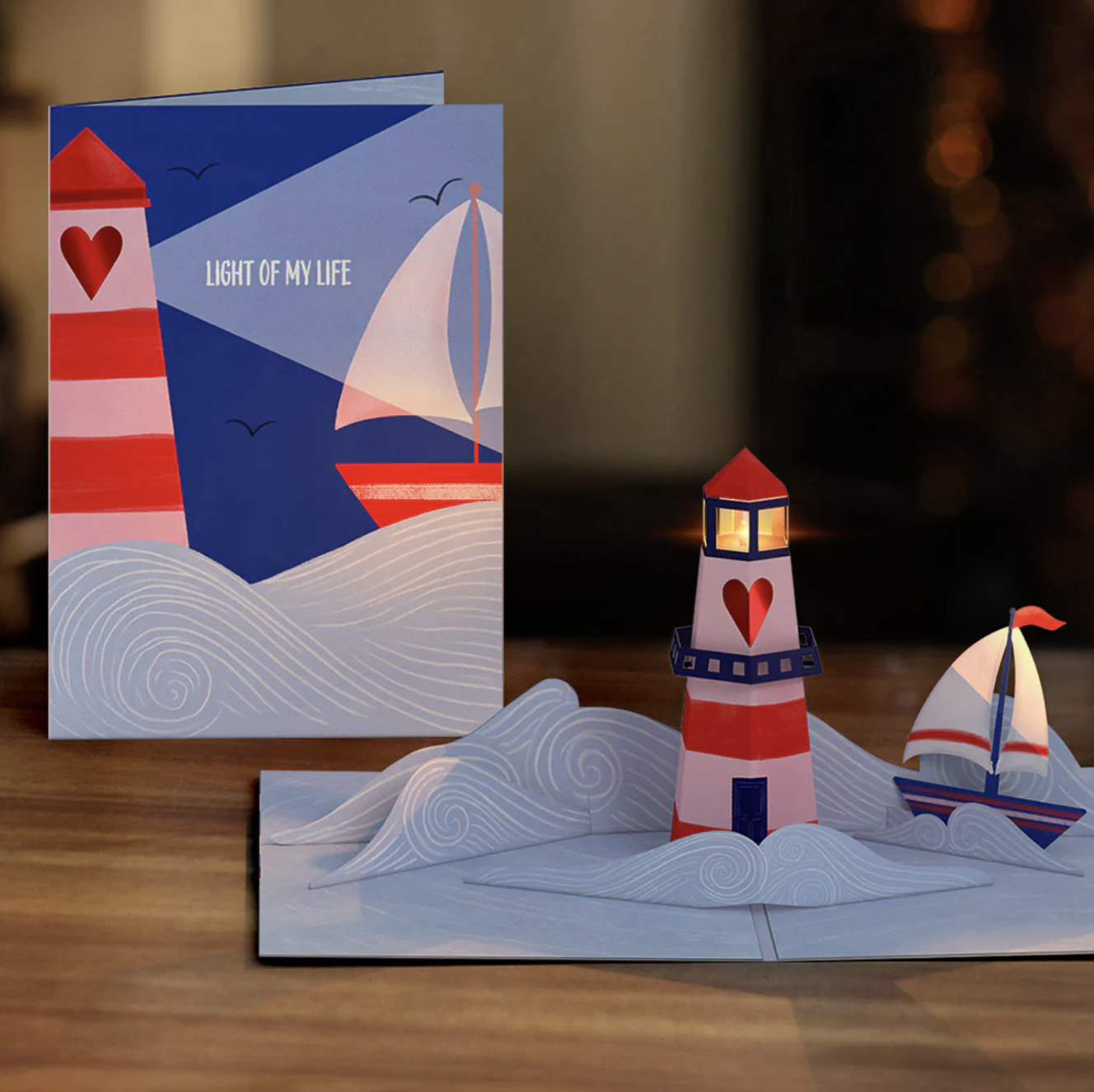
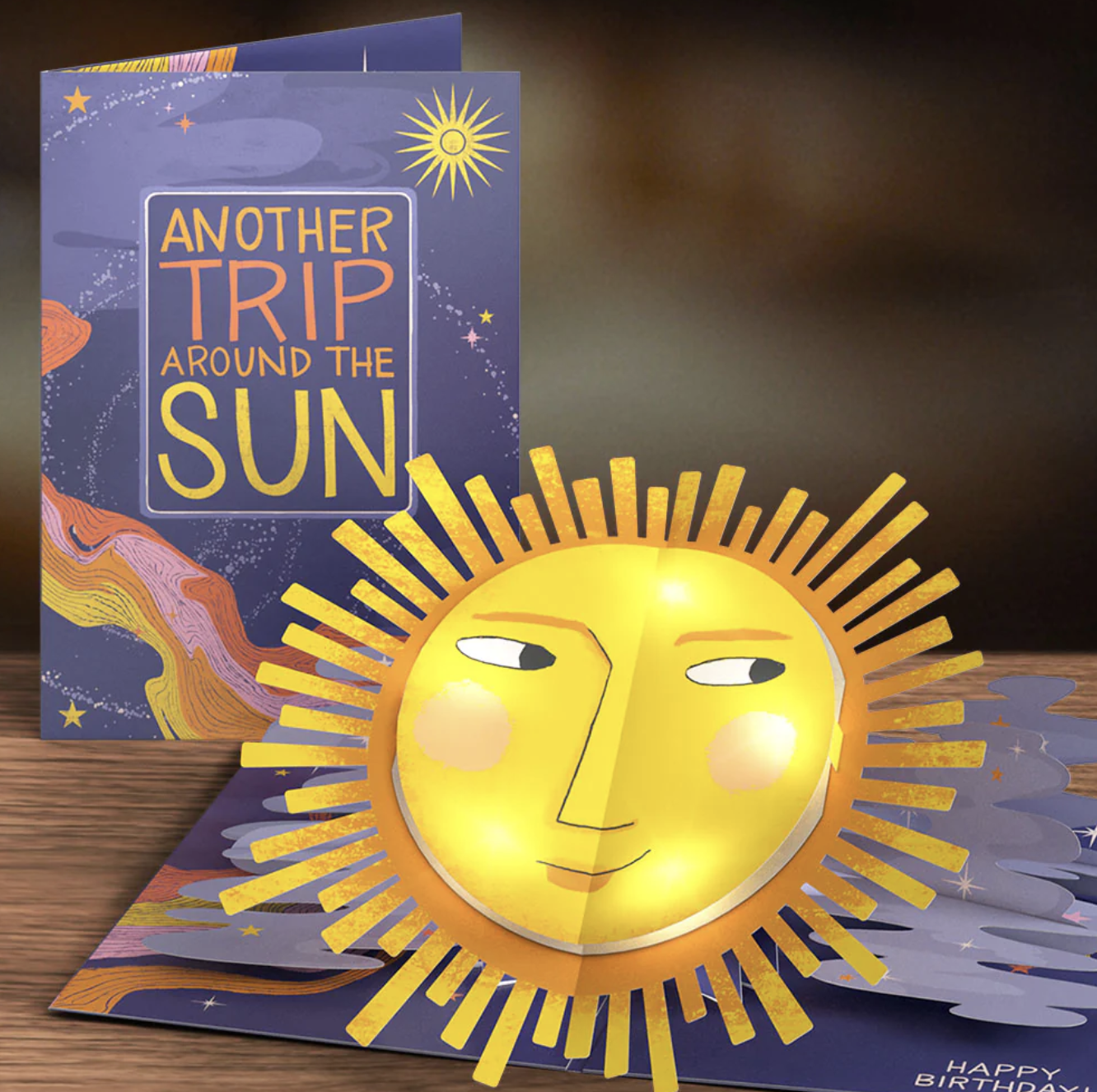
Catching the Light, Catching Sales
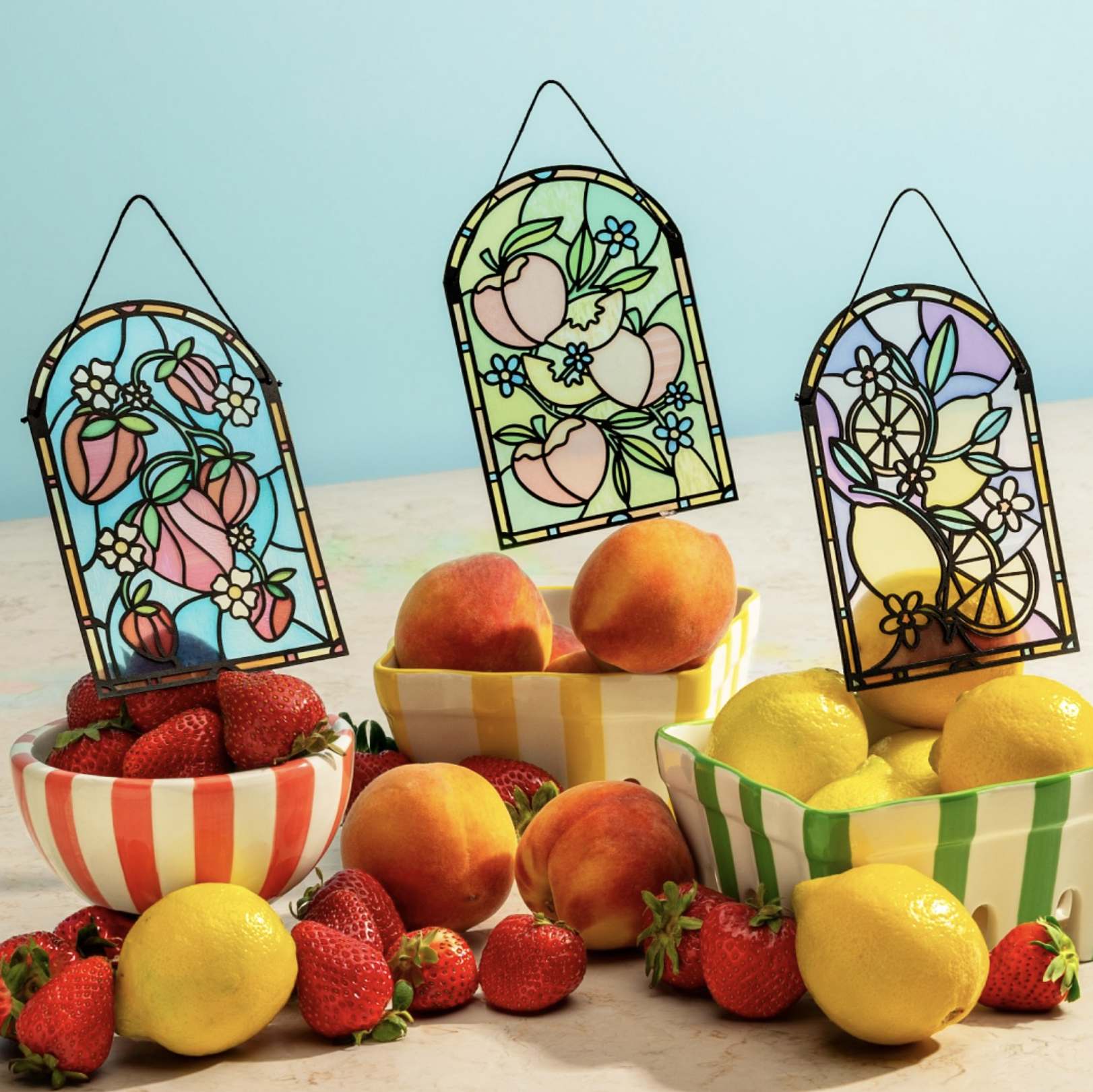
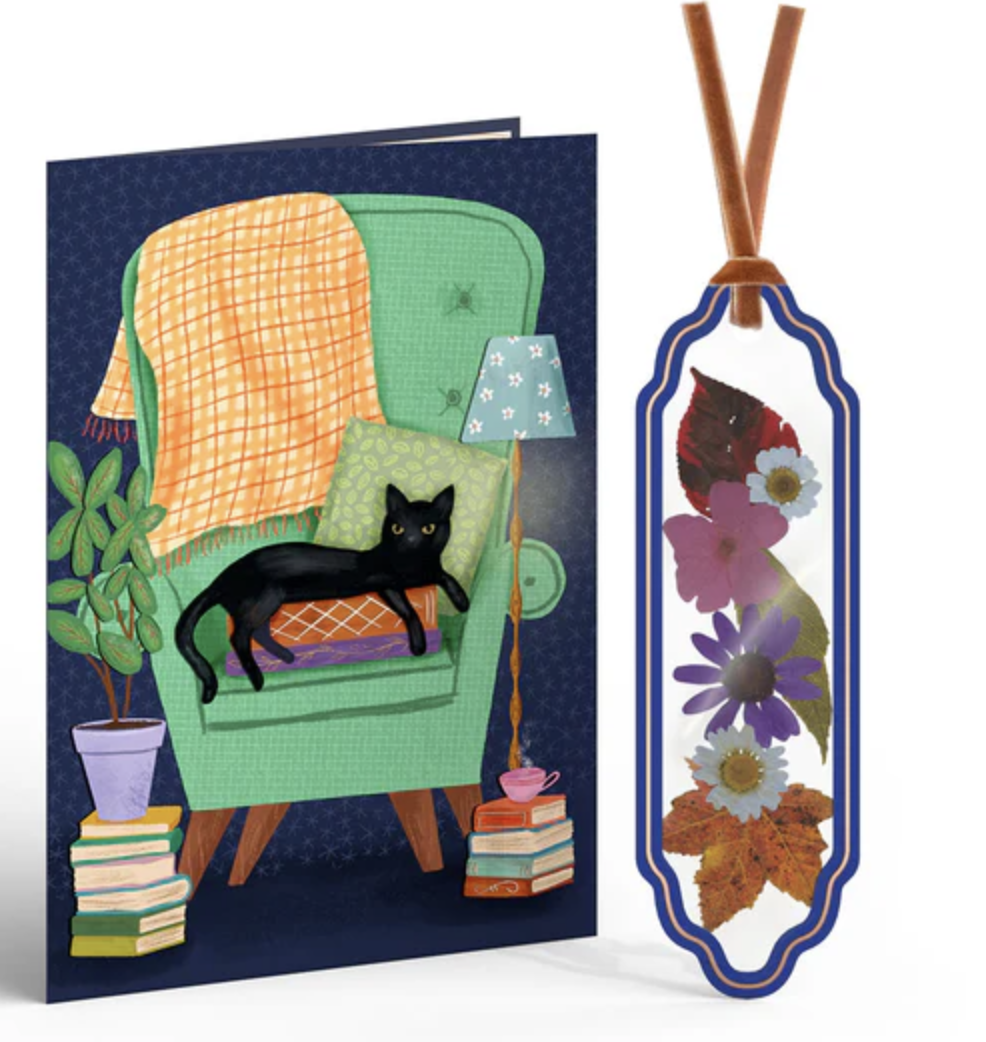
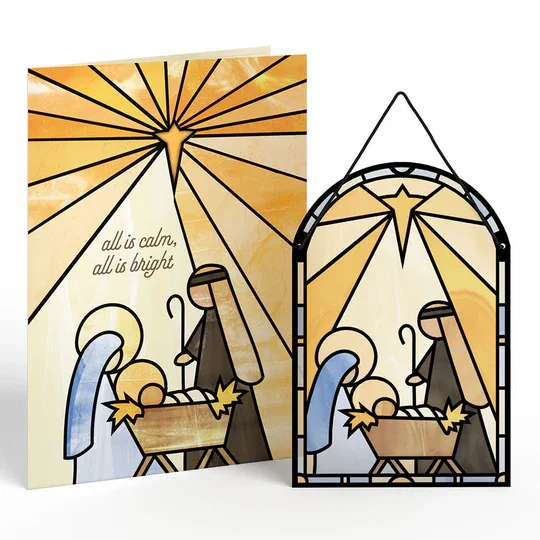
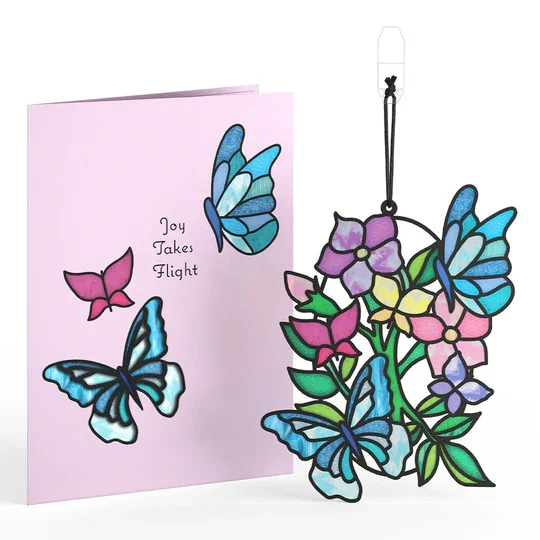
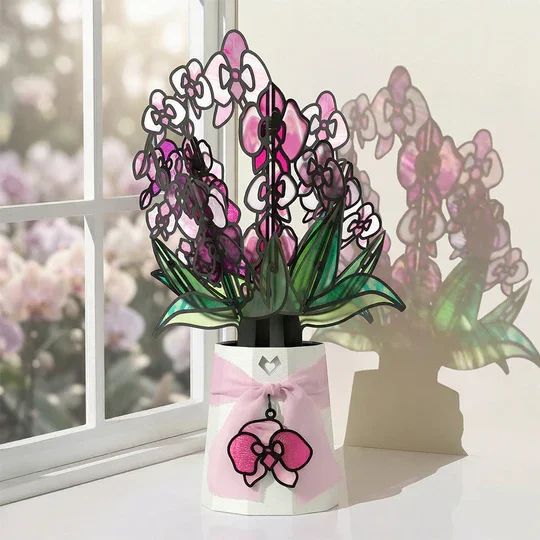
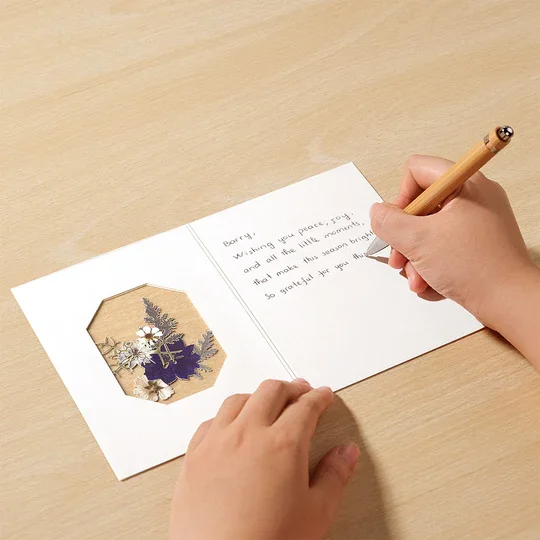
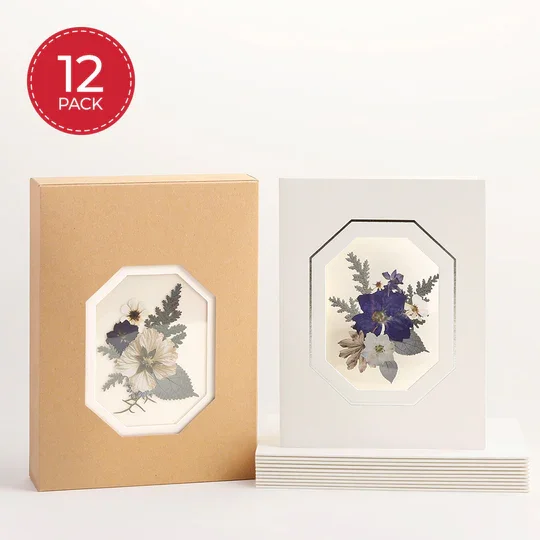
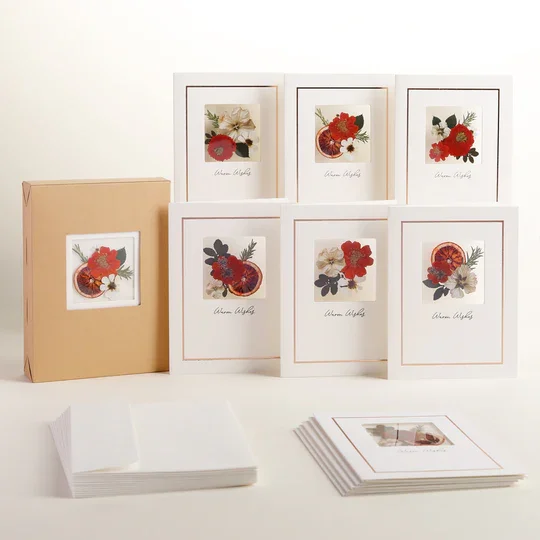
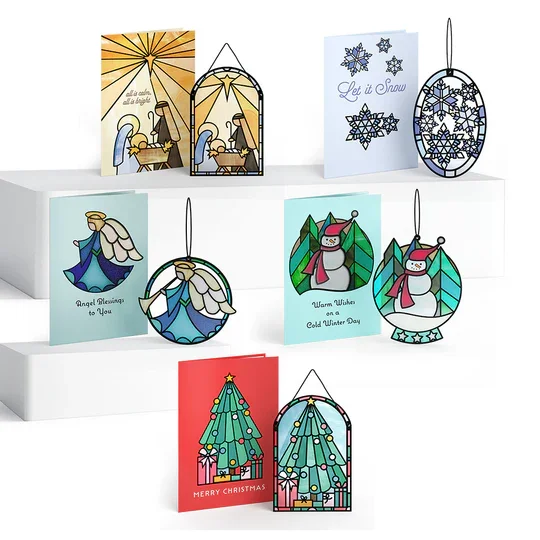
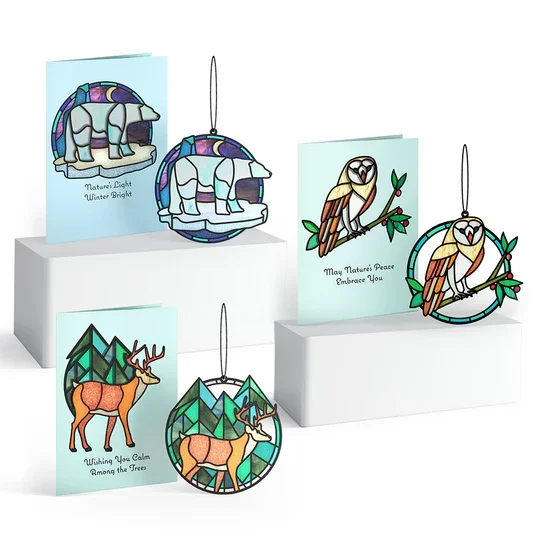
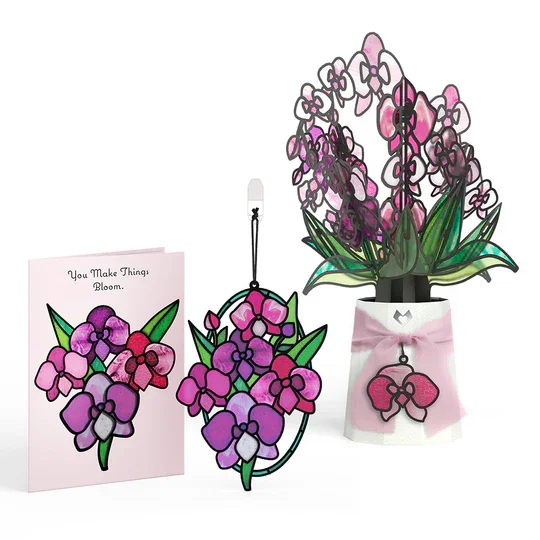
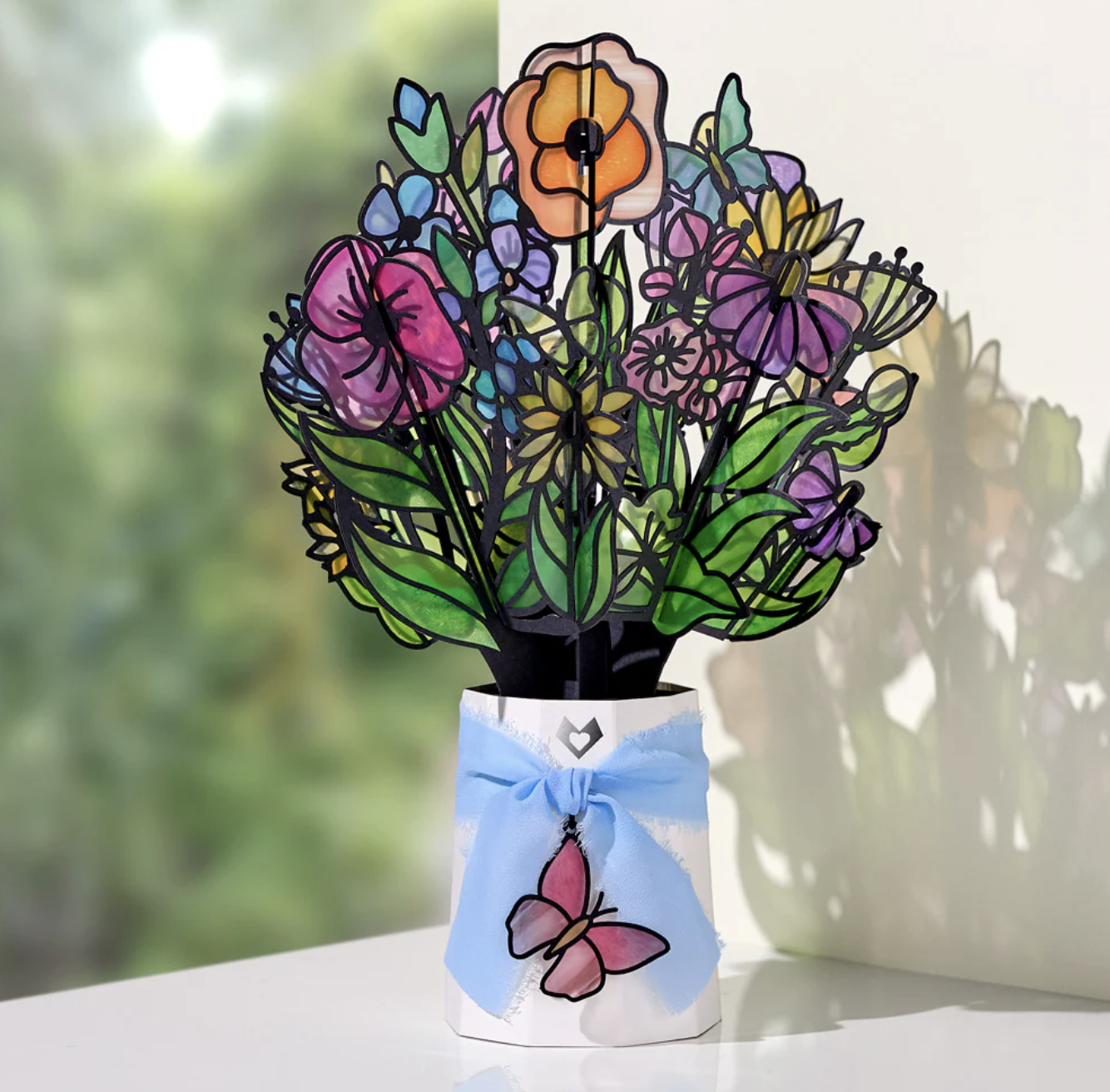
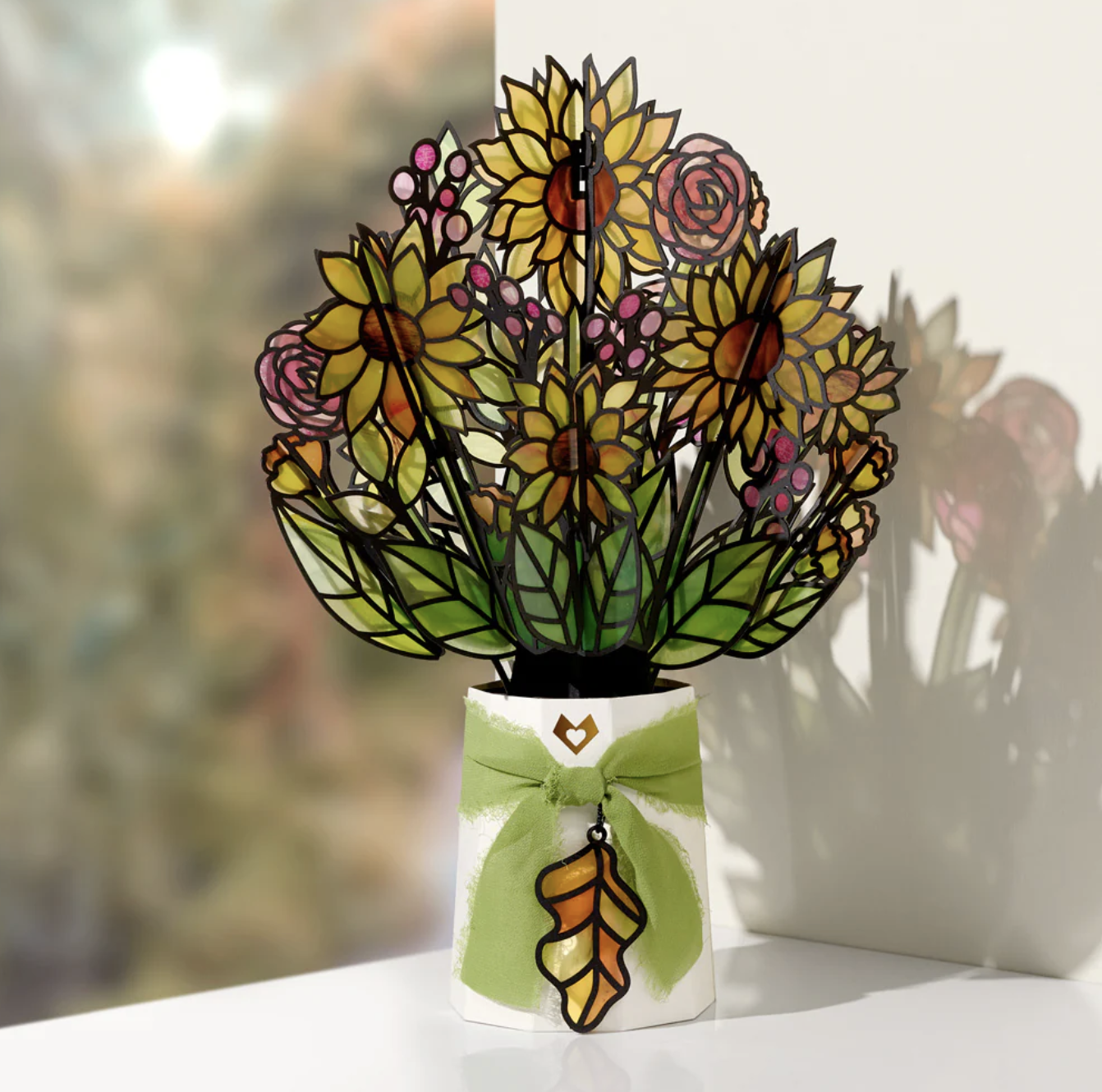
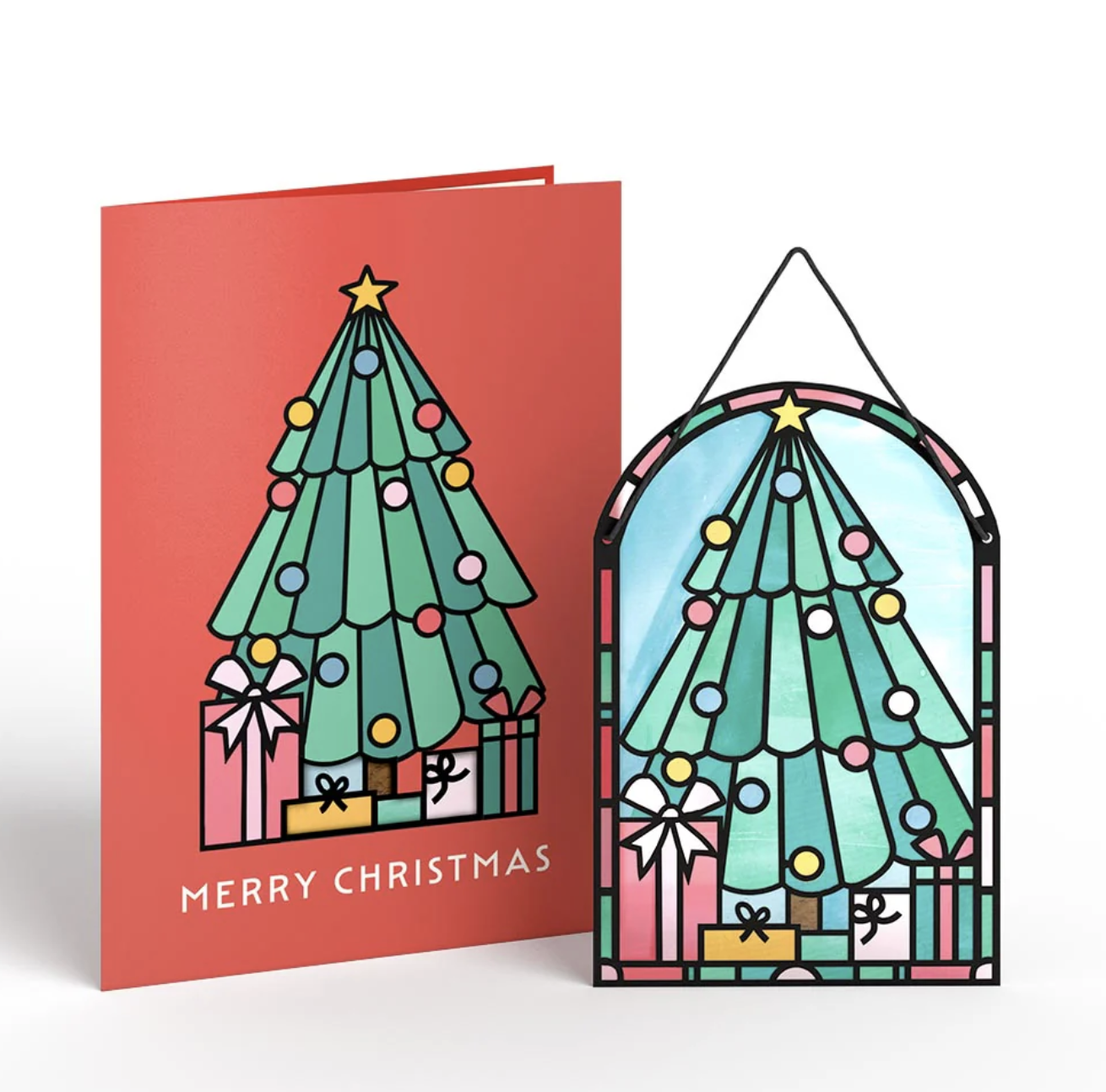
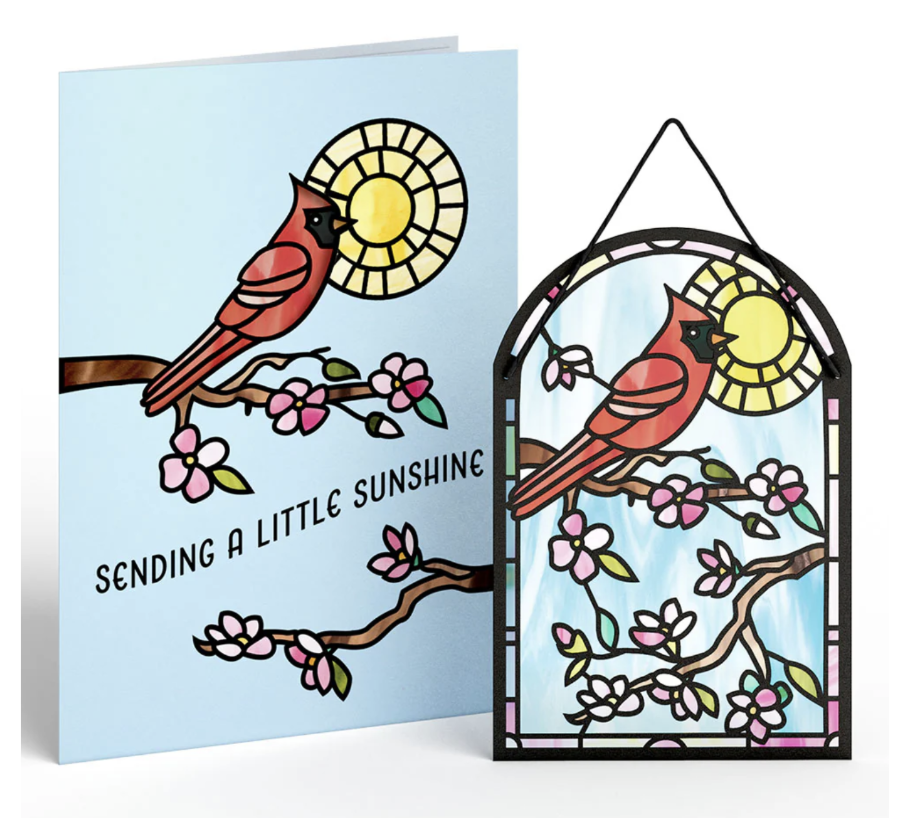
Suncatcher Cards & Bouquets
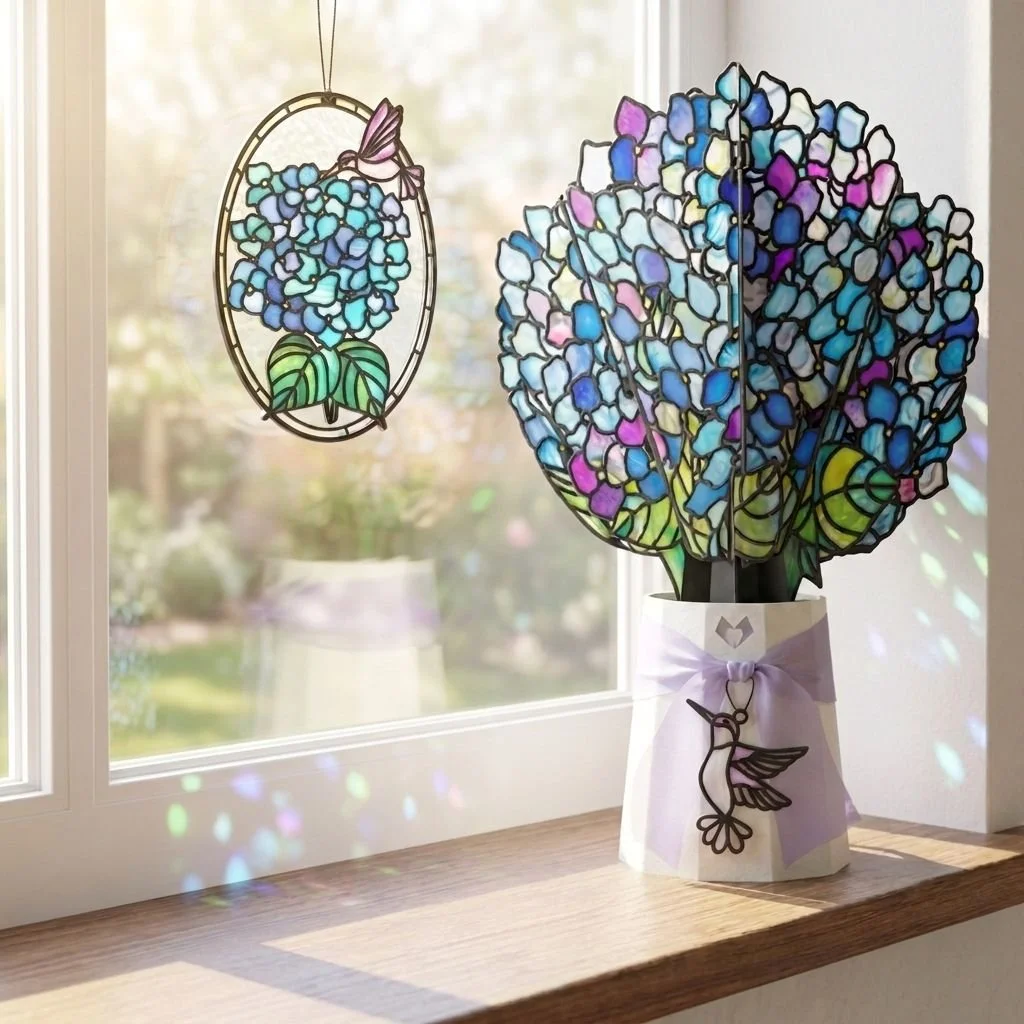
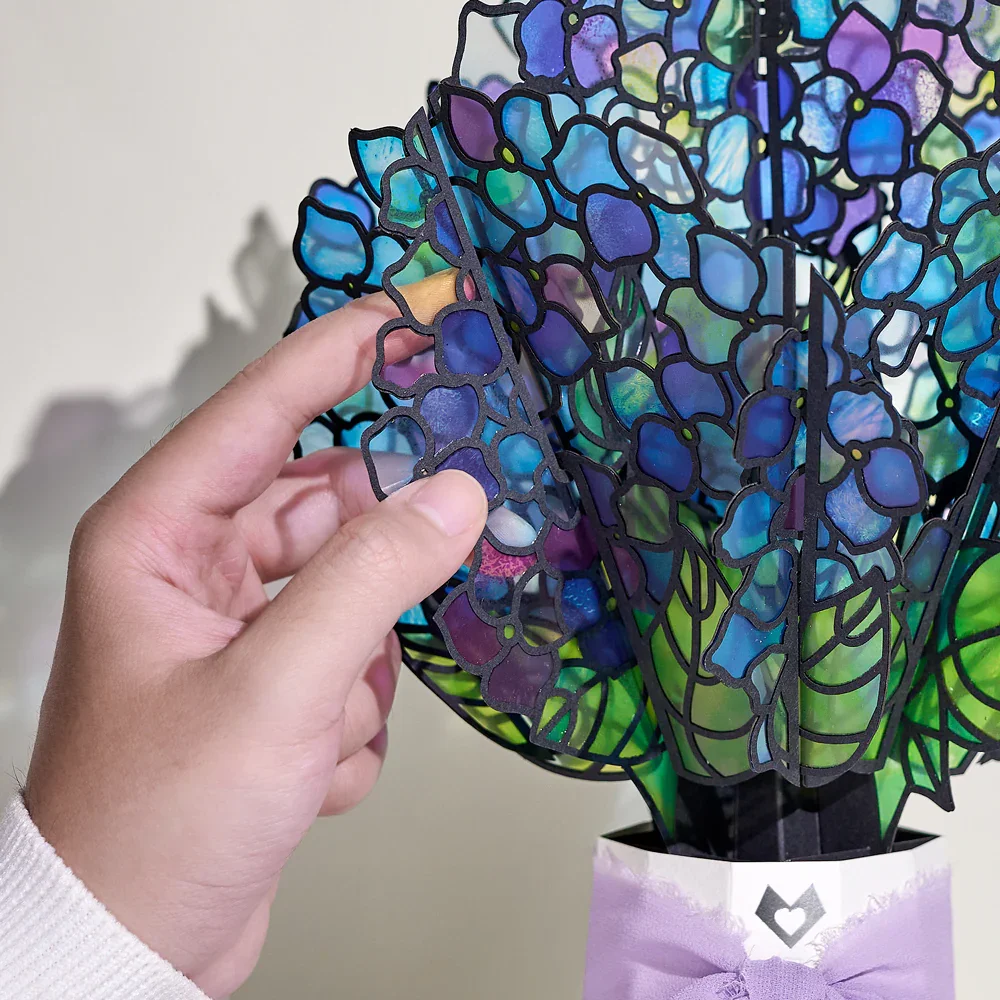
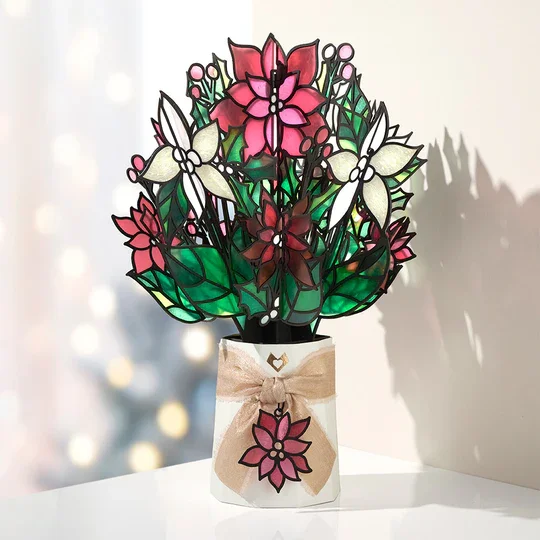
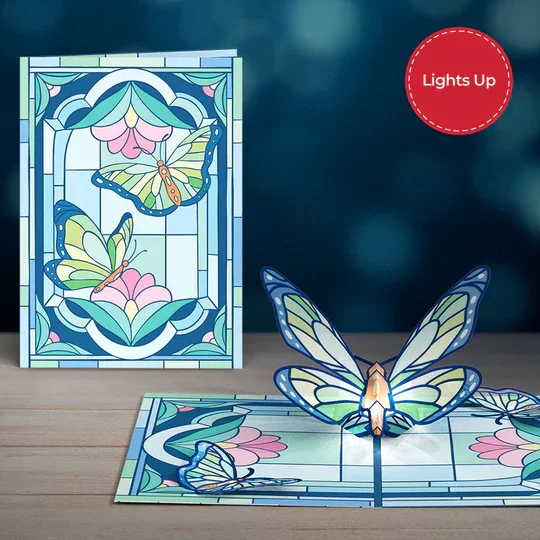
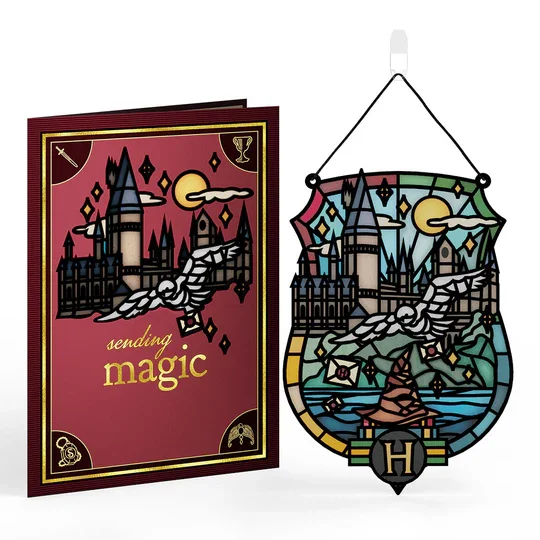
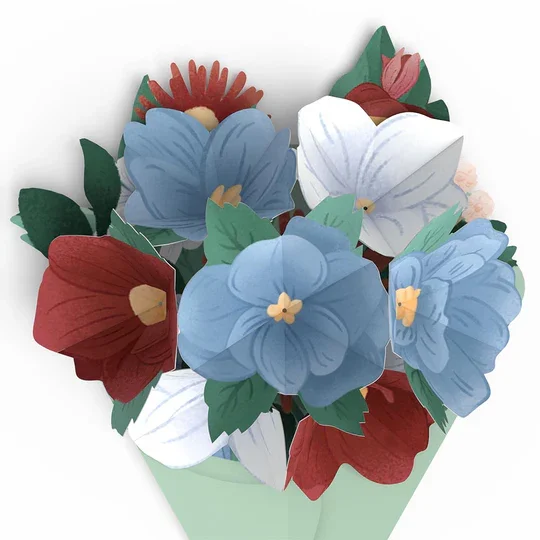
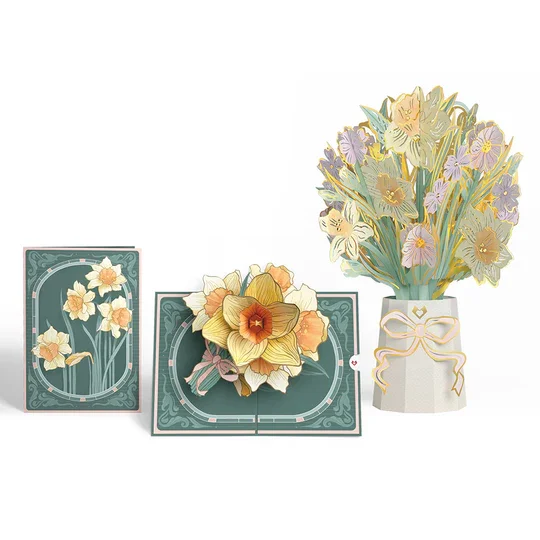
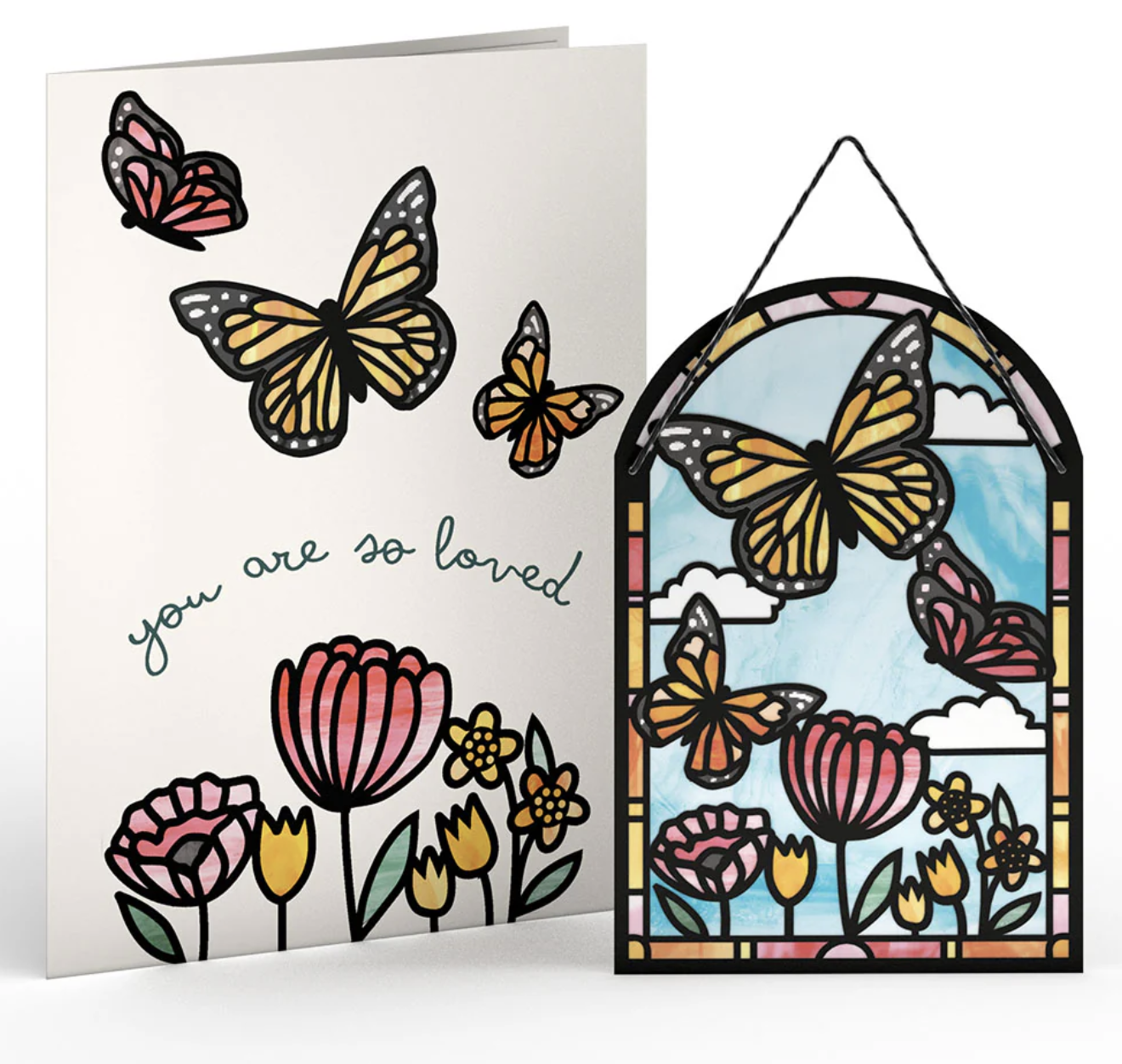
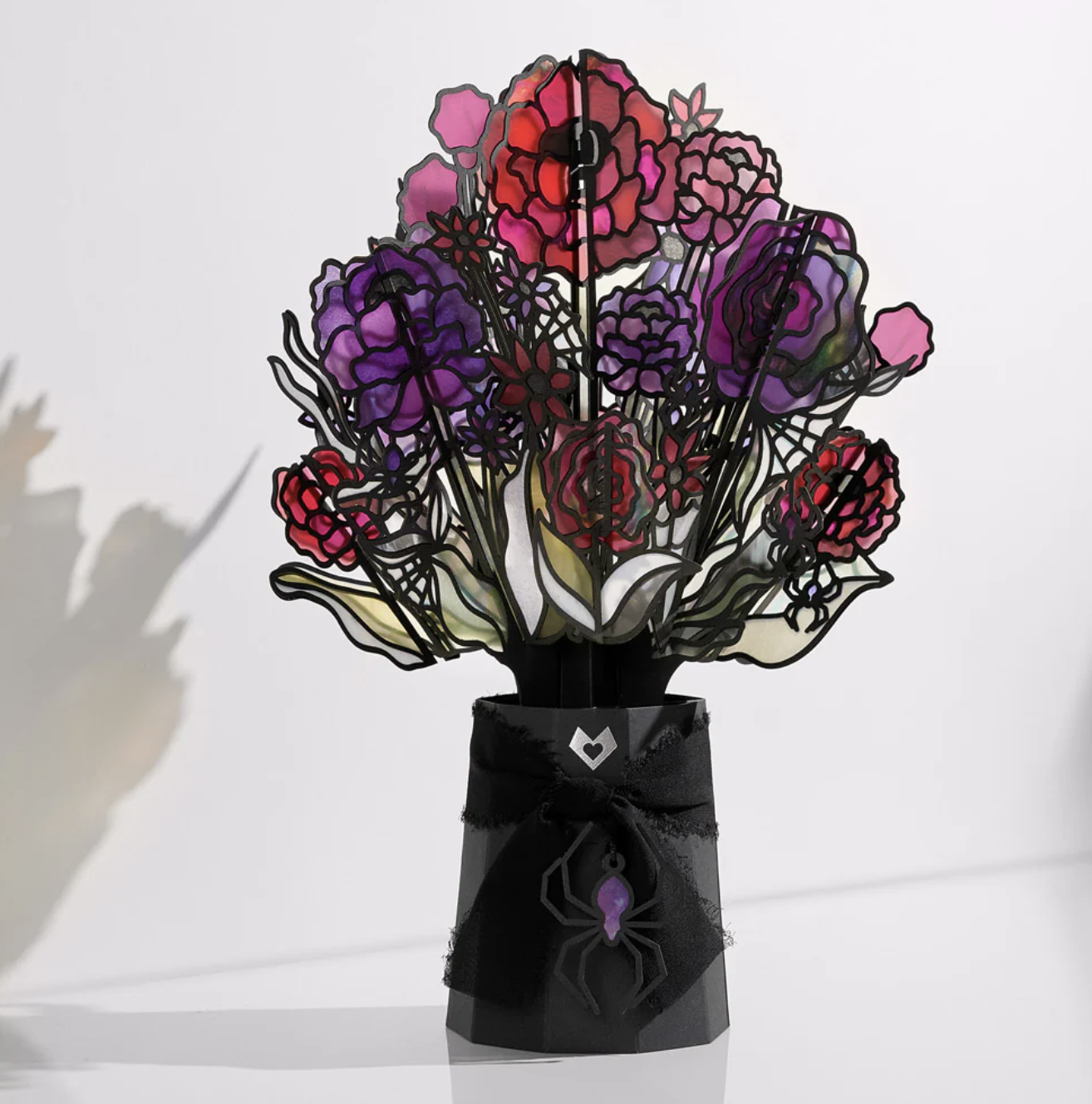
Suncatchers meant real risk — leaving our core pop-up format to chase a trend we believed was the perfect "gift in a card." Built from acetate and laser-cut paper, it took off immediately — and let us reinvent our stalling bouquet line into Lovepop's top-selling Mother's Day product.
From Paper to Plush: Pop Culture Edition
Pop Culture Plushpops
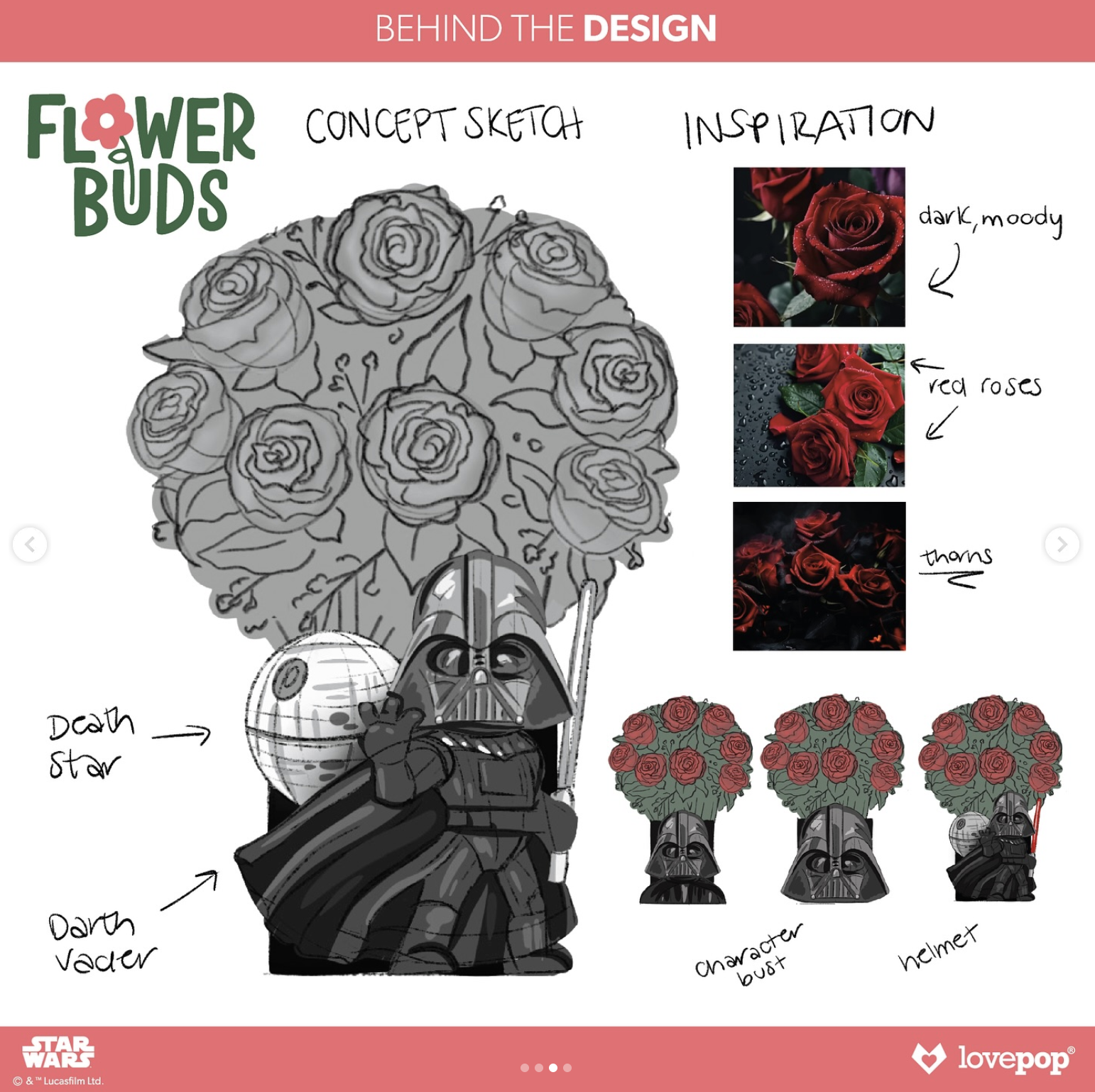
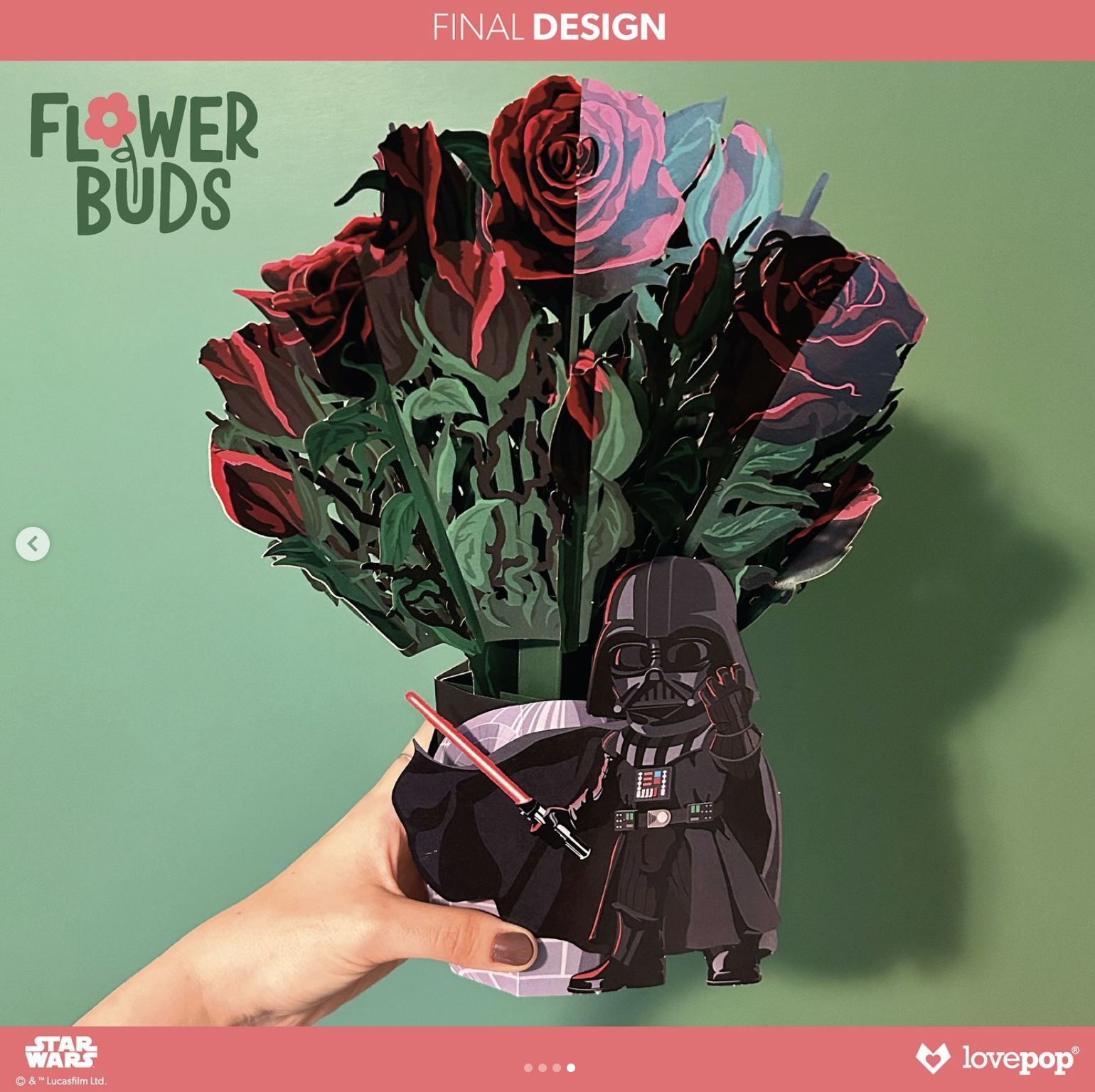
Extending Plushpop into licensed territory was a real challenge — meeting licensor standards while keeping each character authentically itself in plush form. Getting it right was one of our most meaningful wins on the line.
Building brand experiences, not just product
Marketing Support & Partnership
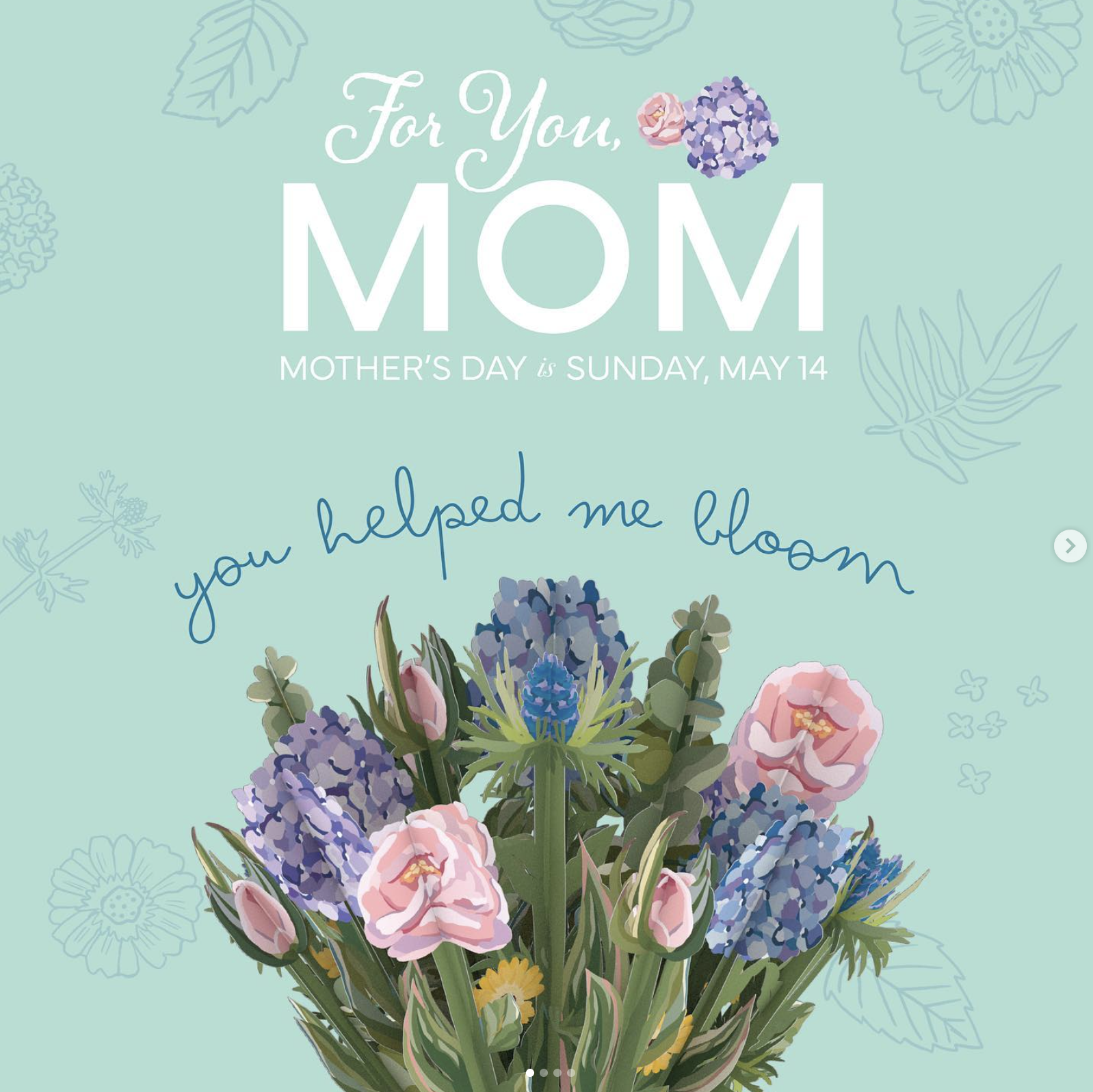
Beyond product, my team operated as a genuine extension of Marketing — driving campaign messaging, building creative toolkits for consistent brand voice, and producing photoshoots that supported both product and campaign needs. When Marketing underwent a leadership transition, my team stepped in to run Lovepop's social creative directly for close to a year, maintaining brand consistency while onboarding new team members joining in the gap.
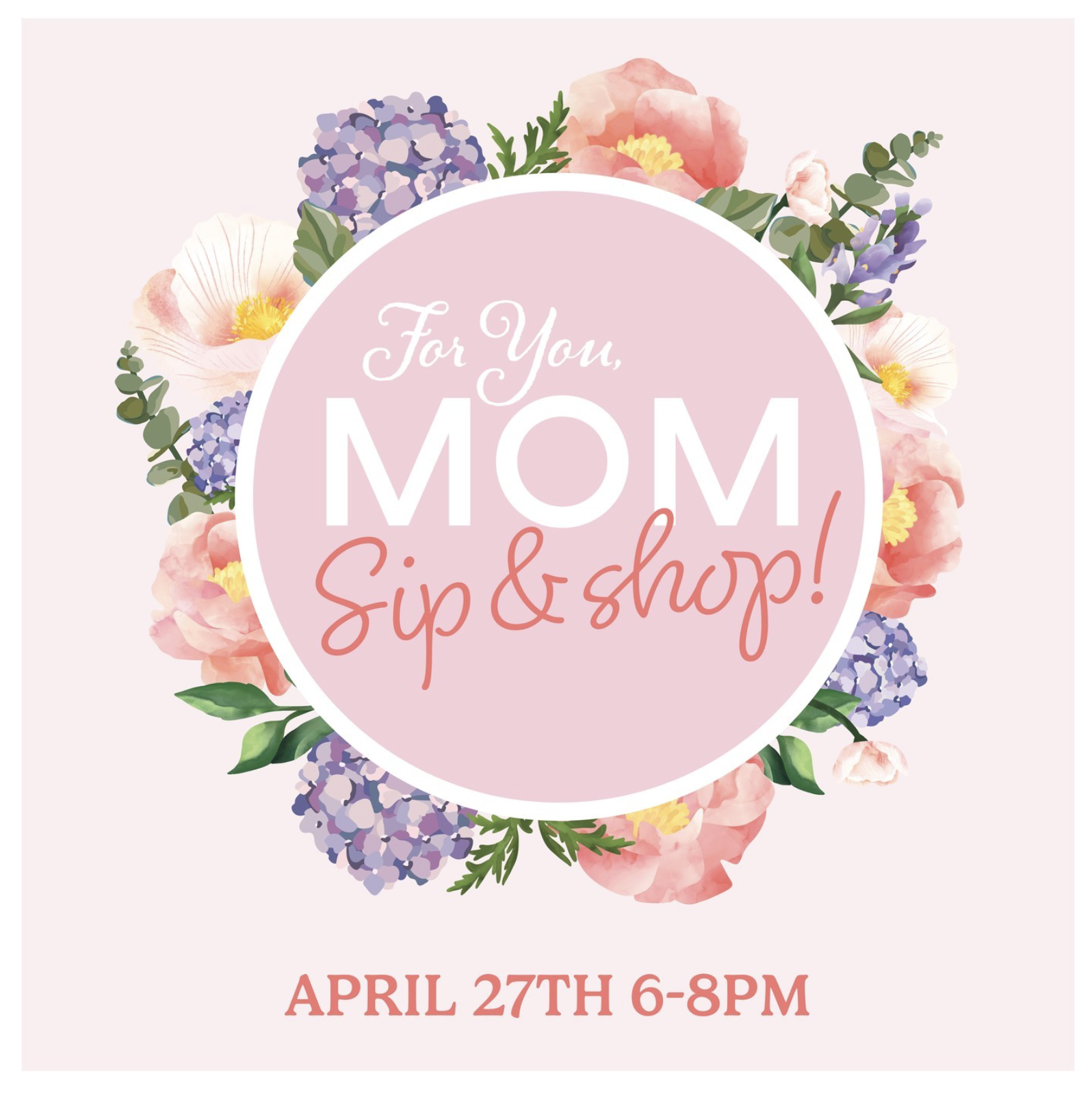
That partnership extended into real-world brand experiences. My team conceived and produced an in-store Mother's Day "Sip and Shop" event at Lovepop's Boston retail location — building the full experience, from food and props to a hands-on paper flower bouquet activity led directly with customers. During COVID, we translated that same experience into virtual DIY workshops, bringing the brand into customers' homes when in-person retail wasn't possible.